Dental health is a vital part of a dog’s overall wellbeing, directly influencing comfort, appetite, and longevity. Canine oral disease is common—studies indicate that 70–80% of dogs show some form of oral disease by age two—so regular attention to the teeth and gums is essential. Left untreated, plaque and tartar can cause pain, difficulty eating, and infections that may affect other organs such as the heart, liver, and kidneys. Prioritizing dog dental care through daily routines, appropriate products, and regular veterinary checkups helps keep pets comfortable and improves their quality of life.
Preventing plaque is the single most important step in maintaining healthy teeth. Plaque is a sticky bacterial film that forms constantly on the teeth and can begin to reappear within hours after a cleaning. If plaque is not removed, it hardens into tartar, which is much harder to remove and can contribute to gum disease. For this reason, a consistent home-care routine—ideally daily tooth brushing—is the most effective way to reduce plaque buildup and protect your dog’s mouth.
Brushing your dog’s teeth may seem challenging at first, but with patience and a gradual approach most dogs will tolerate it. A home dental care program centered on regular brushing, supported by appropriate chews, diets, or supplements when needed, will help you maintain your dog’s oral health between professional cleanings.
Some tips to get started:
- Use dog-formulated toothpaste:
- Never use human toothpaste, which can be harmful if swallowed. Choose a toothpaste made for dogs and available in flavors dogs enjoy, such as poultry or beef.
- Pick the right brush:
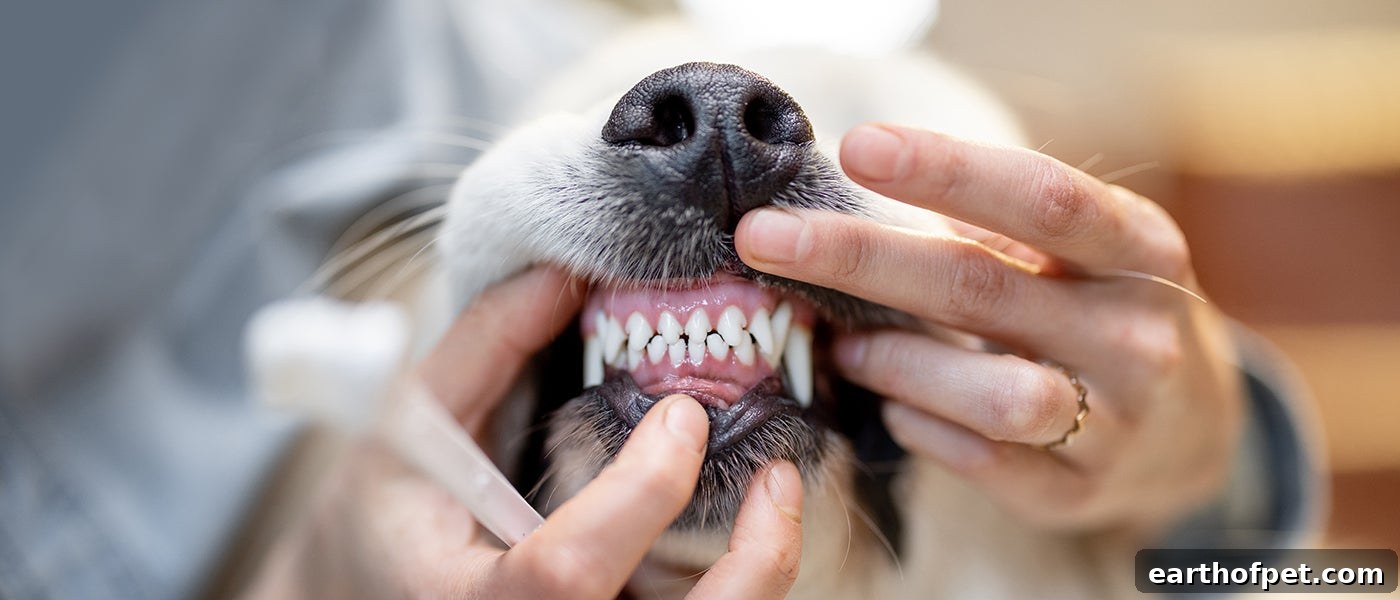
- Use a finger brush, a soft-bristled dog toothbrush, or even a clean washcloth. Ensure the tool fits your dog’s mouth size. Human toothbrushes often have firmer bristles and awkward angles for canine mouths, so they’re not ideal.
- Introduce brushing slowly:
- Let your dog get familiar with the toothpaste and brush. Allow them to sniff and lick the paste, then gently touch the teeth and gums with your finger before introducing the brush. Gradually increase contact time as your dog becomes more comfortable.
- Be gentle and thorough:
- Use light pressure and focus on the gumline and the outer surfaces of the teeth, where plaque and tartar accumulate most. Brush in small circular motions to clean effectively without causing discomfort.
- Use positive reinforcement:
- Praise and reward your dog after each session. Treats, play, or calm praise will help your dog associate dental care with a positive experience and make the routine easier to maintain.
- Establish a routine:
- Make tooth brushing a regular part of the day. Start with short sessions and gradually extend them as your dog adapts. Consistency is the key to long-term success.
For dogs that will not tolerate daily brushing, there are effective alternatives to support oral health. Dental treats and chews can reduce plaque and tartar through mechanical action—scrubbing the tooth surface and massaging the gums while the dog chews. When choosing chews or diets, look for products carrying the Veterinary Oral Health Council (VOHC) Seal of Acceptance; this seal indicates the product has passed clinical testing for plaque or tartar control. For example, certain dental chew products have earned VOHC recognition for reducing plaque and tartar and are designed to address breath, plaque, tartar, and gum health.
Keep in mind that many dental treats add calories to your dog’s daily intake. Adjust your dog’s regular food or other treats accordingly to maintain a healthy weight. There are also specialized dental diets formulated with larger kibble, specific fibers, and tartar-control ingredients that can help reduce plaque and tartar—again, prefer products with VOHC approval.
Some supplements are intended to support oral health by mechanisms other than mechanical cleaning; these are available as additives to water or food. While supplements can complement a dental care plan, they do not replace brushing or professional care. When selecting supplements, consider products with proven efficacy and, where applicable, VOHC recognition.
Even with consistent home care and approved dental products, regular veterinary dental examinations and professional cleanings under anesthesia remain essential. Professional cleanings allow the veterinarian to evaluate the entire mouth, remove tartar above and below the gumline, and treat any dental disease that home care cannot fully prevent. Watch for signs of dental problems—bad breath, swollen or bleeding gums, noticeable tartar, loose or discolored teeth, and changes in eating behavior—and consult your veterinarian if you observe any issues.
- Wiggs RB, Lobprise HB. Periodontology. Veterinary Dentistry, Principles and Practice. Philadelphia: Lippincott–Raven, 1997, 186–231.
- Quest BW. Oral health benefits of a daily dental chew in dogs. J Vet Dent. 2013;30(s):84–87.