Dogs experience stress and anxiety far more often than many pet owners realize. While some dogs show obvious signs—barking, pacing, or hiding—others go through stress quietly, with changes occurring inside their bodies rather than in visible behavior. Recognizing both the clear and the subtle signs of stress helps owners respond sooner and support their dog’s emotional and physical health.
Chronic stress affects sleep, energy levels, behavior, and overall well-being. Learning what triggers stress, how it shows up, and how to respond can prevent longer-term issues and improve a dog’s quality of life.
What Causes Stress or Anxiety in Dogs?
Stress in dogs is usually a response to uncertainty, discomfort, or perceived threat. When a dog faces a challenging situation, the body activates a stress response that prepares it to cope. Common triggers include:
- Sudden changes in routine: Alterations in feeding times, walks, or household patterns can unsettle dogs that thrive on predictability.
- Separation from owners: Dogs that form strong attachments may become anxious when left alone, even for short periods.
- Loud noises: Thunderstorms, fireworks, and construction sounds are frequent causes of acute fear and stress.
- New environments: Moving to a different home, visiting unfamiliar places, or changes in the household layout can be stressful.
- Encounters with unfamiliar dogs or people: Unpredictable social interactions can prompt defensive or fearful reactions.
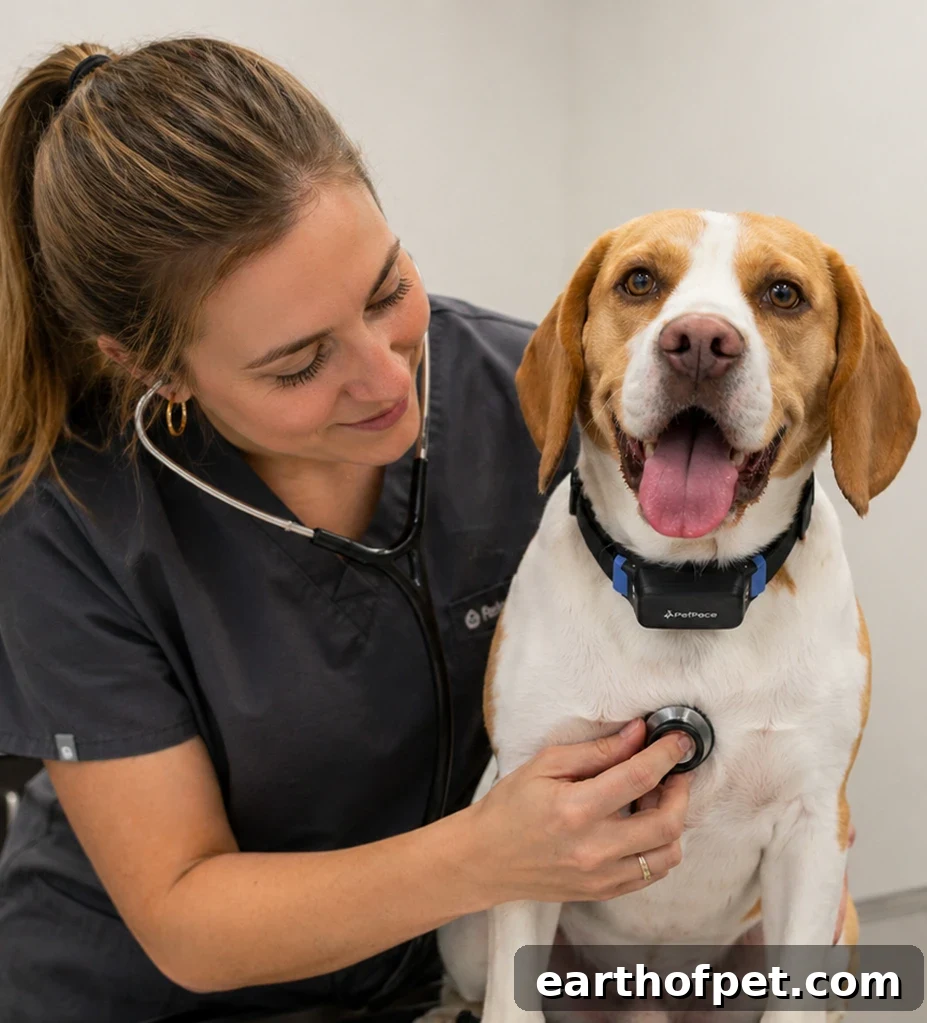
- Veterinary or grooming visits: These situations often involve restraint, unfamiliar handling, and sensory discomfort, which many dogs find stressful.
Some dogs are naturally more sensitive and slower to adapt, while others are more resilient. Even positive events—like visits from guests or exciting outings—can produce mild stress responses in certain animals. When these responses repeat over time without relief, they can lead to longer-term changes in behavior and health.
What Are the Signs of Stress in Dogs?
Dogs communicate stress through a mix of behavioral and physical signals. Some signs are easy to spot; others are much subtler and require closer observation. Common behavioral indicators include:
- Excessive panting or drooling that is not related to exercise or temperature.
- Pacing, restlessness, or inability to settle.
- Increased vocalization such as whining, barking, or howling.
- Trembling, cowering, or hiding from people or other animals.
- Avoidance behaviors, such as refusing to enter a room or interact with a person.
- Destructive chewing, digging, or scratching when left alone or anxious.
Physical and less obvious signs can include changes in appetite, altered sleep patterns, reduced playfulness, grooming changes (overgrooming or lack of grooming), digestive upsets, and fluctuations in activity levels. Because these manifestations are not always dramatic, stress can develop for some time before it becomes obvious.
Can Dogs Be Stressed Without Showing It?
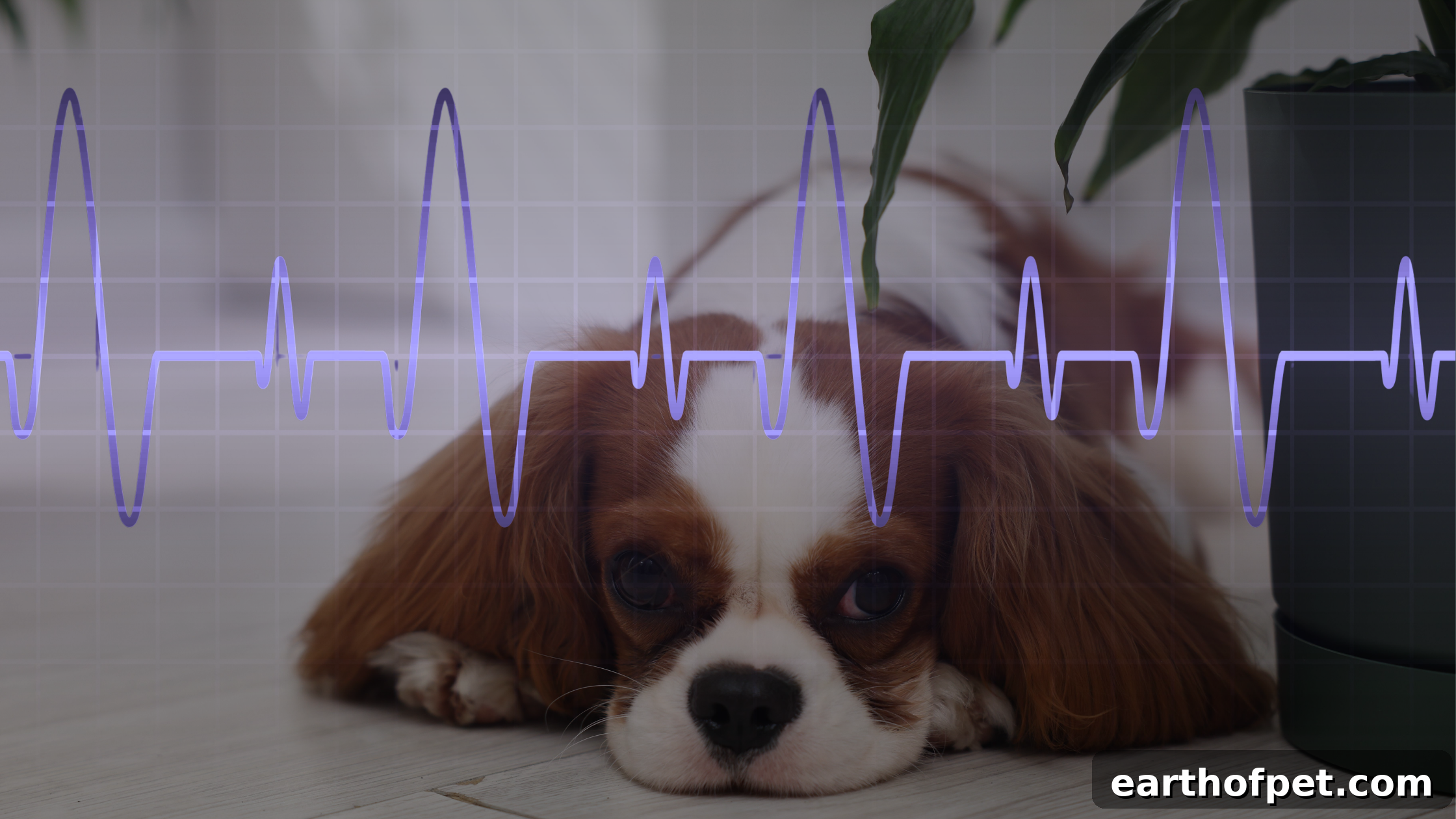
Yes. Dogs can experience internal stress responses while appearing calm. Stress triggers biological changes such as the release of stress hormones, shifts in heart rate and heart rate variability (HRV), and alterations in autonomic nervous system activity. These physiological responses may precede or occur without clear behavioral signs.
Examples include dogs that maintain normal behavior while having an elevated heart rate, dogs that seem relaxed but experience disrupted or fragmented sleep, or dogs that respond physically to environmental stressors without outward displays of anxiety. Because of this, relying solely on visible behavior can miss important clues about a dog’s true state.
Why Understanding Dog Stress Matters
Short-term stress is a normal, adaptive response that helps animals handle immediate challenges. However, when stress is frequent, prolonged, or unresolved, it can have broad consequences. Chronic stress can contribute to:
- Behavioral problems such as increased reactivity or avoidance.
- Heightened anxiety and exaggerated fear responses.
- Difficulty learning or reduced responsiveness during training sessions.
- Weakened immune function, which can affect overall health.
- Potential long-term health implications linked to persistent physiological strain.
Early recognition allows owners to identify triggers and make practical adjustments—modifying routines, creating safe spaces, using positive reinforcement training, and working with a veterinarian or behavior professional when needed—to reduce stress and improve well-being.
A Deeper Look at Stress in Dogs
Historically, canine stress assessment relied heavily on behavioral observation. While body language remains essential, researchers and clinicians increasingly consider physiological measures—such as heart rate, heart rate variability, activity levels, and sleep patterns—to gain a fuller picture. Combining behavioral cues with measurable physical data helps reveal patterns that might otherwise go unnoticed and supports more targeted interventions.
Looking Beyond Behavior: Tools and Practical Steps
In addition to careful observation, monitoring tools and consistent record-keeping can help track changes over time. Devices that measure heart rate variability, activity, and sleep can provide objective trends that highlight subtle shifts in a dog’s well-being. Equally important are practical steps owners can take at home: maintaining a consistent routine, providing predictable and positive experiences, creating a quiet retreat, gradual desensitization to triggers, and seeking professional guidance for persistent or severe anxiety.
By paying attention to both the visible and invisible signs of stress, owners and veterinarians can work together to support healthier, happier dogs and prevent short-term challenges from becoming chronic problems.