Pet Hydration and Water Safety: Summer Tips for Dogs and Cats
As temperatures rise, keeping your dog or cat properly hydrated becomes one of the most important things you can do for their health. Like people, pets need fresh water to regulate body temperature, support digestion, maintain kidney and urinary health, and stay active. This guide explains how much water pets typically need, practical ways to encourage drinking, and essential safety tips for introducing them to pools, lakes, or other bodies of water.
Proper Pet Hydration
General guidelines can help you estimate daily water needs, but remember individual requirements vary. Dogs typically need roughly 1/10 to 1/4 cup of water per pound per day. For example, a 20-pound dog would require about 2 to 5 cups of water daily, counting moisture from food. Cats tend to drink less than dogs and generally need about 1/10 to 1/8 cup of water per pound per day, including food moisture—meaning a 10-pound cat would need approximately 1 to 1¼ cups daily.
Factors that affect water needs include size, age, activity level, diet, health conditions, and climate. Healthy pets usually self-regulate their intake when water is freely available, so the easiest and most important step is to ensure clean, fresh water is accessible at all times. Place bowls where pets spend most of their time, and consider multiple water stations in larger homes or multi-pet households.
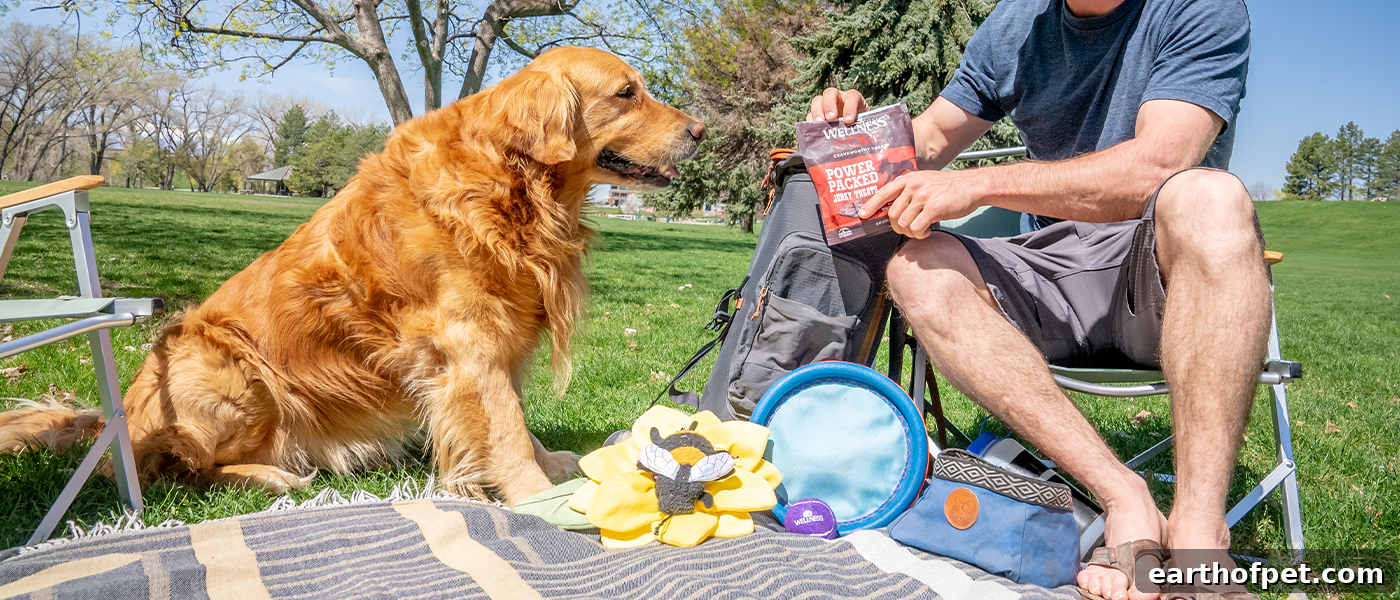
During hot weather, exercise, or travel, increase vigilance: pets may need more frequent water breaks to avoid dehydration. For outings, carry a portable bowl and offer small amounts of water frequently rather than allowing a single large gulp. During exercise, a brief water break every 15–20 minutes helps maintain hydration without causing stomach discomfort.
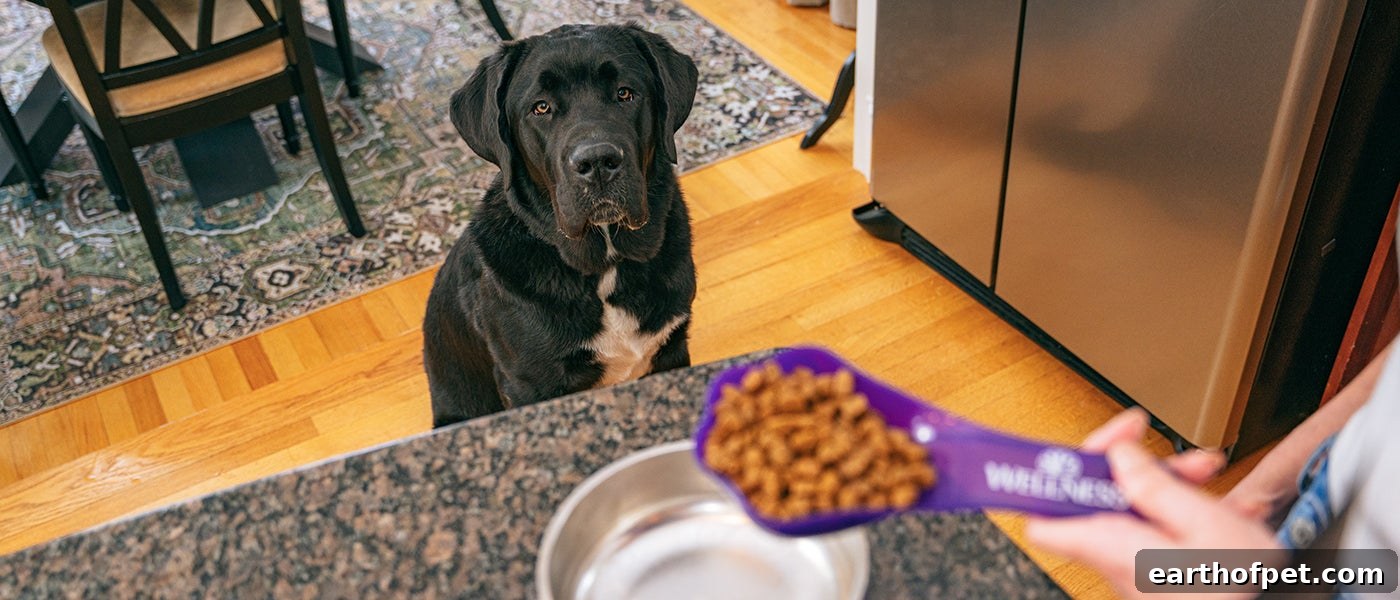
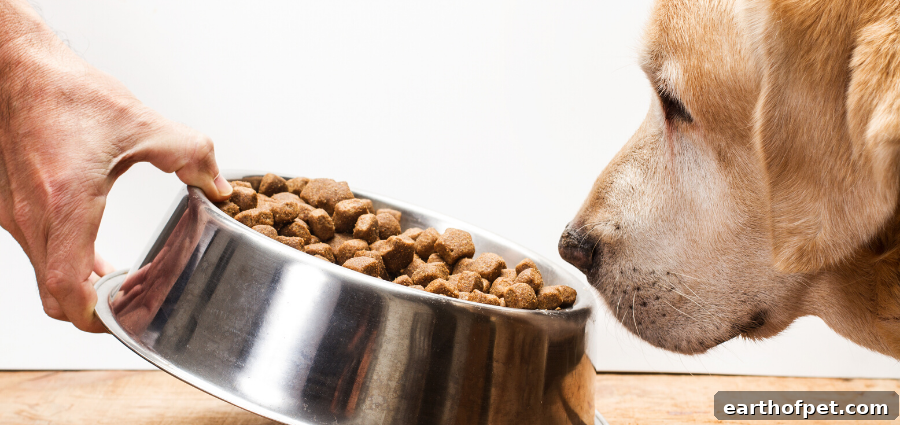
Food choice also influences hydration. Wet or high-moisture diets can significantly increase a pet’s fluid intake and are especially helpful for cats, who naturally drink less. Higher-moisture foods can reduce urine concentration and support urinary tract health in cats by lowering the risk of crystal or stone formation. If you prefer prepared options, many brands now offer wet recipes such as homestyle stews, pâtés, gravies, minced meals, morsels, and higher-protein lines that combine moisture with whole-food ingredients. You can also add a little water or low-sodium broth to dry food to boost fluid intake—always confirm additions are safe for your pet and compatible with any dietary restrictions.
Signs of dehydration to watch for include dry or tacky gums, decreased skin elasticity, sunken eyes, lethargy, reduced appetite, and fewer or darker urine outputs. If you suspect dehydration or notice sudden changes in drinking habits, contact your veterinarian promptly for guidance.
Water Safety for Pets
Introducing pets to water can be a fun way to cool off, but safety must come first. Many dogs enjoy swimming; some cats may show curiosity or tolerate shallow water. When exposing a pet to water for the first time, choose a calm, shallow area such as a gently sloping shoreline or a pet-accessible pool. Let your pet approach at their own pace—offer praise, treats, and gentle encouragement, but never force them into the water. Allow sniffing and exploration so they form a positive association.
Use a leash or harness at first to provide security and to prevent sudden ventures into deep water. A properly fitted pet life jacket or flotation device is a sensible precaution when there’s a chance of deep water or strong currents. Life jackets also make it easier to assist and retrieve a pet if they tire.
Always supervise pets closely around water, regardless of their swimming ability. Even strong swimmers can become exhausted, caught in currents, or disoriented by waves. When visiting public bodies of water, be mindful of hazards such as algae blooms, fast currents, boat traffic, sharp rocks, and sudden drop-offs. Rinse pets with fresh water after swimming in saltwater, chlorinated pools, or stagnant water to remove irritants and reduce ingestion of harmful substances.
Be cautious with hot surfaces and prolonged sun exposure. Provide shade and encourage rest periods; never leave a pet unattended in a parked car. If your pet shows signs of heatstroke—excessive panting, drooling, weakness, collapse—seek veterinary care immediately.
Good hydration and water safety practices help pets stay comfortable and healthy throughout the summer and beyond. Keep fresh water available, offer water-rich foods when appropriate, introduce water slowly and positively, and supervise swim time closely. For individualized recommendations about your pet’s hydration needs, diet changes, or water activities, consult your veterinarian.