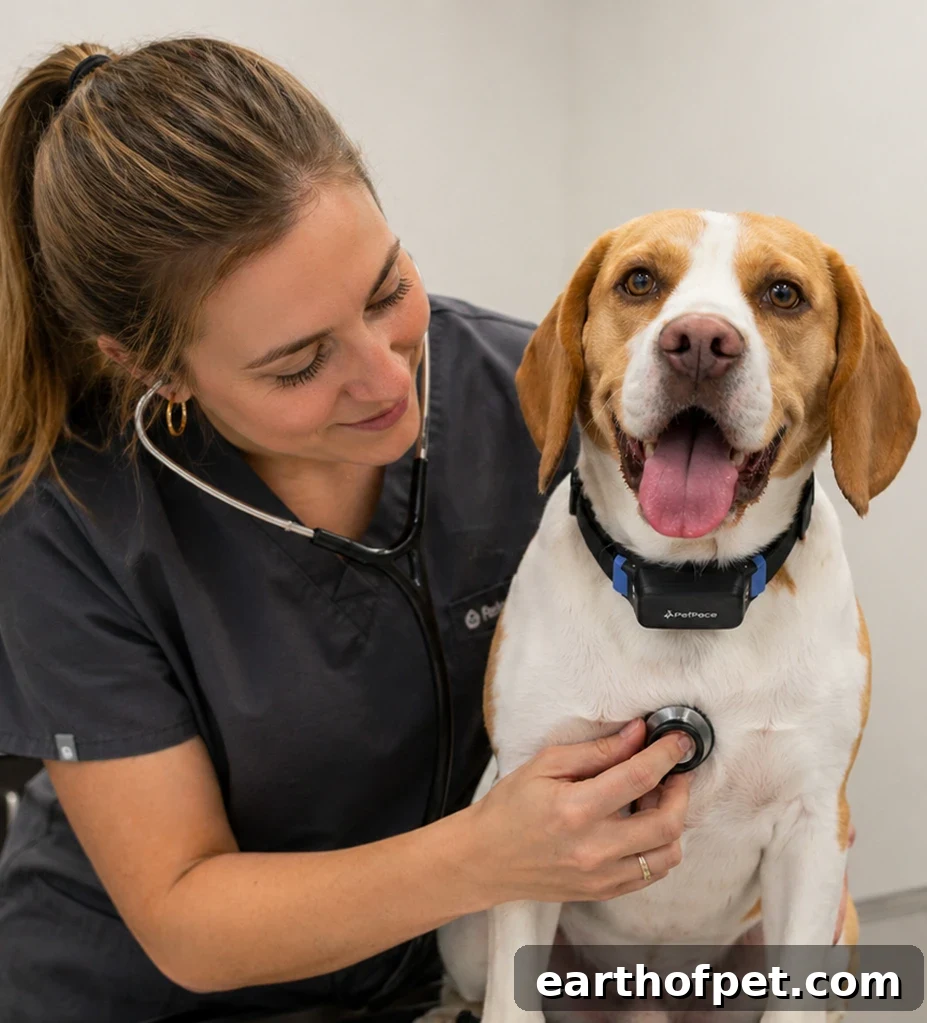
Epilepsy in pets is more common than many owners realize, but it is also frequently misunderstood. When people picture a seizure, they often imagine dramatic full-body convulsions. In reality, seizure activity can take many forms and may look very different in dogs and cats. Recognizing these differences is the first step toward spotting a problem and getting timely veterinary care.
What Is Epilepsy in Pets?
Epilepsy is a neurological disorder characterized by recurrent seizures caused by sudden, abnormal electrical activity in the brain. It can affect both dogs and cats, and it may begin at any age—though owners often first notice signs in young or middle-aged animals. Seizures may arise without an obvious trigger and vary widely in frequency, duration, and intensity. Some pets have frequent episodes; others only show occasional, subtle events that are easy to miss.
Seizures Don’t Always Look Like Seizures
Not every seizure involves collapse and violent shaking. Many seizures are partial or focal, producing subtle or brief signs that are easy to misunderstand. Pet owners should learn the common presentations so they can report accurate observations to their veterinarian.
Common seizure signs in dogs include:
- Sudden twitching or muscle stiffening
- Repetitive motions such as lip-smacking, chewing, or circling
- Short episodes of confusion or disorientation
- Temporary loss of awareness or responsiveness
In cats, seizures can be even harder to detect and often appear as:
- Staring spells or “zoning out”
- Facial twitching, rapid blinking, or unusual licking
- Sudden bursts of agitation, pacing, or unusual vocalization
- Unexplained hiding, withdrawal, or changes in behavior after an episode
Because these signs can be mild or fleeting, they are frequently mistaken for behavioral issues or normal quirks rather than a neurological problem.
Why Epilepsy Is Often Missed
Pets are adept at hiding illness, and many seizures occur when no one is watching—overnight or while owners are away. Brief episodes can pass unnoticed, and even when a seizure is observed it can be difficult to describe exactly what happened. Owners may not recall key details such as how long the episode lasted, whether breathing changed, or how quickly the animal recovered. Missing these details can make diagnosis and treatment planning more challenging for veterinarians.
Why Early Awareness Matters
Early recognition of epilepsy can significantly improve a pet’s quality of life. Identifying patterns of seizure activity helps veterinarians determine whether treatment is needed, assess whether episodes are becoming more frequent or severe, and monitor how a pet responds to therapy over time. Without timely detection, seizures may progress, increasing the risk of injury, prolonged recovery, or secondary complications.
Living with a Pet Who Has Epilepsy
Many animals with epilepsy live long, happy lives when their condition is managed properly. Management relies on careful observation, consistent communication with your veterinarian, and, when appropriate, medication or other therapeutic strategies. Keeping a detailed log of observed events—what happened, how long it lasted, and what preceded or followed the episode—helps your veterinary team tailor care for your pet.
Supporting Early Awareness and Monitoring
As awareness of pet epilepsy grows, so do the tools available to support early detection and long-term monitoring. Continuous monitoring devices, including veterinarian-designed smart collars and activity trackers, can collect heart rate, movement, and other physiological data to identify changes that may precede, accompany, or follow seizure events. Devices and apps that log episodes and generate alerts can help owners capture objective information to share with their veterinary team, enabling more informed, data-driven conversations about diagnosis and care.
If you suspect your pet is having seizures, keep calm, record as many details as possible (video is especially helpful), and contact your veterinarian promptly for guidance on next steps and appropriate testing or treatment.