Rotational Feeding For Dogs
Note: Rotational feeding is not recommended for dogs with known food allergies or sensitivities. Some animals with food allergies may be predisposed to developing further allergies, so consult your veterinarian before changing diets.
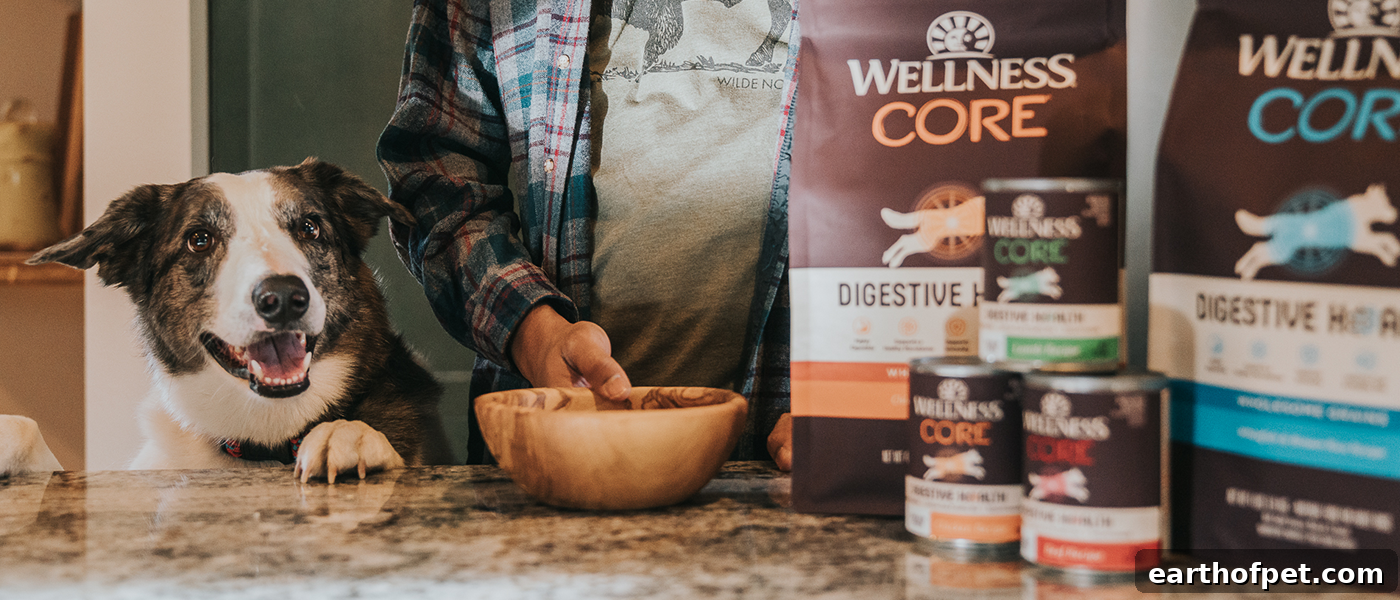
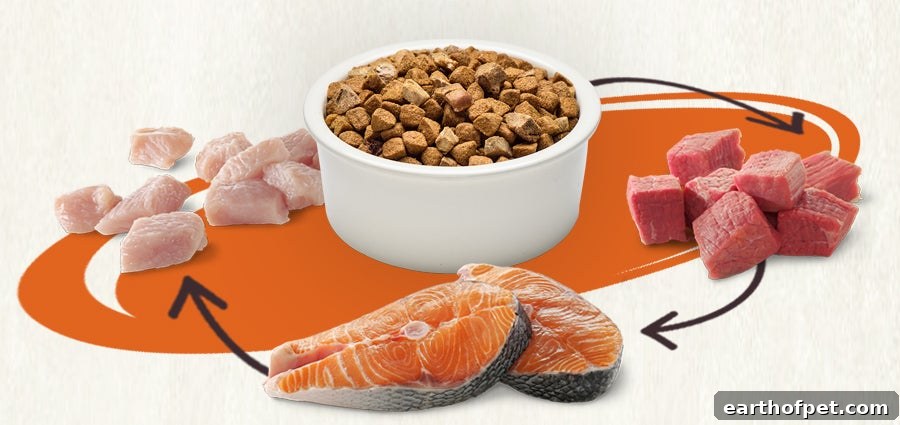
Rotational feeding for dogs is a deliberate approach to introducing variety into your pet’s diet by changing protein sources, textures, and nutrient profiles over time. Variety can come from different flavors (chicken, lamb, salmon, beef, pork), different formats (kibble, wet food, freeze-dried, air-dried), or different formulations (grain-free, limited ingredient, high-protein). Some owners mix wet and dry food in the bowl, others feed dry kibble in the morning and wet food at night, and some rotate flavors or protein types with each new bag or can. Any consistent, thoughtfully planned approach that meets your dog’s nutritional needs can provide the benefits of rotational feeding.
The Benefits Of Rotational Feeding
Rotational feeding can help keep mealtime interesting so your dog remains enthusiastic about eating. Dogs, like people, can grow bored with the same food day after day; rotating diets can maintain appetite and reduce picky behavior. Beyond palatability, rotating protein sources and formulations can broaden the range of vitamins, minerals, amino acids, and fatty acids your dog receives from whole-food ingredients. While a single complete and balanced commercial diet is designed to meet a dog’s nutritional needs, rotating among several complete foods can expose your dog to slightly different nutrient profiles and ingredient sources, which may support overall wellbeing.
Additional potential benefits include:
- Reduced obsession with one specific flavor or texture.
- Exposure to a variety of whole-food nutrient sources (for example, different proteins supply varying fatty acid and micronutrient profiles).
- Flexibility for owners who want to vary feeding formats (kibble, canned, or rehydrated options).
How To Start A Rotational Diet For Your Dog
Begin slowly and plan carefully. Choose complete and balanced diets that are similar in guaranteed analysis—especially fat and fiber—so dietary changes are less likely to upset your dog’s digestion. When switching between products, follow the feeding guidelines on each label to maintain appropriate calorie intake and avoid overfeeding.
Transitioning gradually is key. A typical transition schedule lasts 5–10 days, depending on your dog’s sensitivity:
- Days 1–2: Mix 75% old food with 25% new food.
- Days 3–4: Mix 50% old food with 50% new food.
- Days 5–6: Mix 25% old food with 75% new food.
- Day 7 onward: Serve 100% new food if tolerated.
For dogs with more sensitive stomachs, extend the transition to two weeks or longer and monitor stool quality and appetite closely. If you see vomiting, diarrhea, or a marked change in behavior, stop the change and consult your veterinarian.
Protein Sources And Their Typical Nutritional Contributions
- Chicken: A highly palatable, lean protein that commonly provides B vitamins, phosphorus, selenium, and omega-6 fatty acids (such as linoleic acid).

- Lamb: A digestible, energy-dense protein often used for its palatability and moderate fat content. Lamb typically supplies B vitamins, phosphorus, zinc, iron, and omega-6 fatty acids, and may include conjugated linoleic acid in certain formulations.
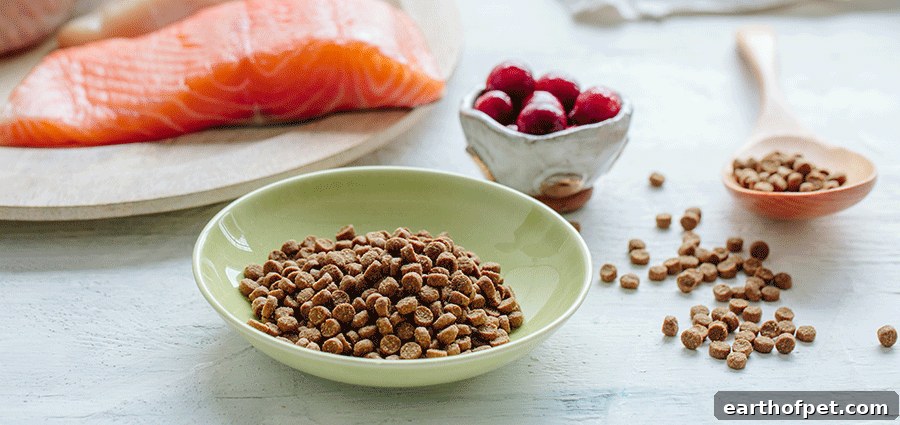
- Salmon: A flavorful, moderate-energy protein that contributes vitamin A, B vitamins, phosphorus, selenium, iron, and both omega-6 and long-chain omega-3 fatty acids (EPA and DHA), which support skin, coat, and joint health.
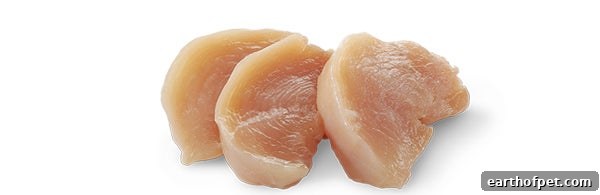

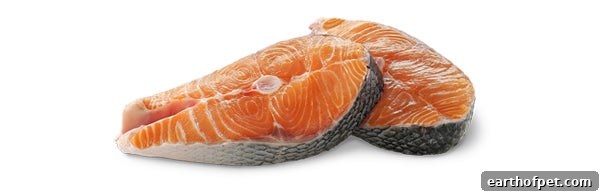
Each protein brings a slightly different nutrient profile; reputable manufacturers formulate complete diets so that each product independently meets a dog’s essential nutrient requirements. Rotating proteins can therefore broaden the mix of whole-food nutrients your dog encounters without creating deficiencies—provided each diet is complete and balanced.
Practical Tips And Considerations
- Stick to complete and balanced foods rather than homemade mixes unless guided by a veterinary nutritionist.
- Keep portion sizes and daily caloric intake consistent. If rotating to a higher-calorie formula, reduce portion size accordingly to maintain body weight.
- Record what you feed and how your dog responds—this makes it easier to identify any ingredient-related issues.
- Rotate on a schedule that works for you: weekly, every few weeks, or with each new bag—choose what is sustainable and predictable.
- Avoid rotation if your dog has a diagnosed food allergy, or if your veterinarian advises against it.
Monitor your dog’s stool quality, energy level, skin and coat condition, and overall appetite when introducing new diets. If you notice persistent gastrointestinal upset, itchy skin, hair loss, or recurrent ear infections after a diet change, consult your veterinarian—those can be signs of food intolerance or allergy.
If you’re interested in trying rotational feeding, look for several high-quality, complete diets with similar nutrient analyses and discuss your plan with a veterinary professional if your dog has health concerns. Many owners find that a thoughtful rotation program improves mealtime interest while supplying a range of nutrients from different whole-food ingredients—when done safely and with attention to individual needs.