After a year-long lockdown, many pets face a sudden and stressful change when the house becomes quiet and empty again. Pets can experience separation anxiety or “empty nest” feelings too. As you return to work and social routines, it’s important to watch for behavioral and physical signs of stress so you can address them early. Early recognition makes managing and reducing anxiety much easier for both you and your pet.
Key Signals of Canine Distress
- Destructive behavior at home: chewing shoes, pillows, or furniture legs.
- Excessive panting without obvious heat or exercise.
- Attempts to escape from a crate or enclosure where the dog normally feels safe.
- Pacing, especially near the door you leave from or at windows where your departure can be seen.
- Changes in digestion or appetite, including vomiting or refusal to eat.
- Whining, howling, or persistent barking when left alone.
Key Signs of Feline Distress

Cats often hide anxiety and depression more subtly than dogs, so their emotional distress can go unnoticed. When routines change and people are away more, cats can become anxious or depressed. Watch for these signs:
- Loss of typical greeting behavior—if your cat used to meet you at the door and no longer does, it may signal low mood.
- Excessive hiding or sleeping much more than usual.
- Reduced appetite or sudden refusal to eat.
- Over-grooming that leads to hair loss or exposed skin.
How to Keep Your Pet Happy and Healthy While You’re at Work
Use Technology to Monitor and Reassure
Modern pet technology offers valuable information and peace of mind while you’re away. These tools also help you track behavior changes over time so you can spot problems early.
Pet Camera
Installing a pet camera lets you observe your pet during trial outings and once you return to a full work schedule. Cameras help you see behavior patterns, check whether your pet is resting or distressed, and can even let you interact with them through two-way audio.
Pet Activity Monitor
Activity monitors that attach to a collar record movement, rest periods, and sometimes vocalizations. Comparing this data to your pet’s normal activity can reveal stress-related changes—like increased pacing, agitation, or trouble settling down. These devices are useful tools for tracking overall wellbeing and identifying when professional advice may be needed.
Pheromone Therapy
Dog and cat pheromone products mimic calming natural scents and are available in sprays and plug-in diffusers. When used as directed, they can reduce fear and promote a more relaxed environment. Diffusers typically last around a month, so consider starting them a couple of weeks before you resume regular time away from home.
Mood Music and Background Noise
Soft background noise—classical music, a radio, or a turned-on television—can ease the abrupt silence that many pets find unsettling. Keep volumes at a comfortable level and choose gentle, steady sounds rather than sudden loud programs.
Be Mindful of Your Own Emotions
Pets are sensitive to human moods and often mirror the emotional tone in the household. Remaining calm and consistent during departures and returns will help your pet adjust more smoothly. Practice low-key goodbyes and greetings to reduce the emotional spike that reinforces anxiety.
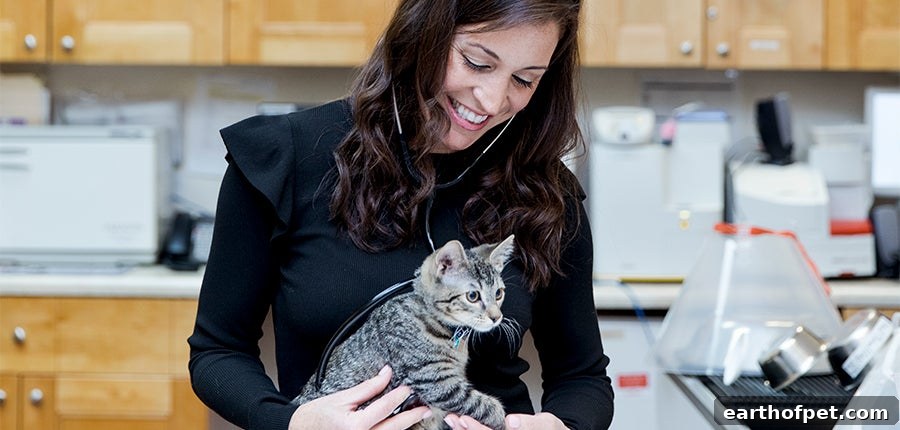
If your pet shows serious or escalating distress, consult your veterinarian. A professional can rule out medical causes and recommend behavior modification strategies, environmental changes, or, if necessary, short-term medications to help your pet through the adjustment period.
Nutrition and Digestive Health
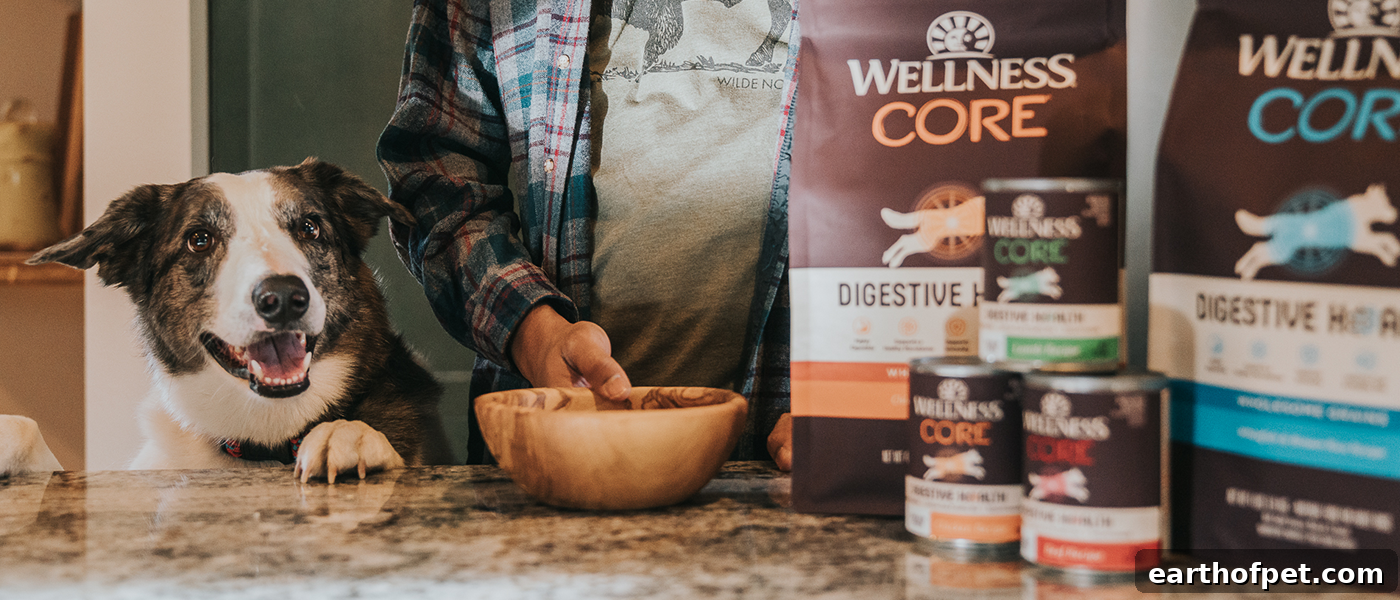
Nutrition supports overall wellbeing, and stress can sometimes lead to digestive upset. Diets formulated to support digestive health may include probiotics, prebiotics, and digestive enzymes to help maintain gut balance. Speak with your veterinarian about nutritional choices suited to your pet’s needs and any formulas focused on digestive support for dogs and cats.
We love seeing happy, healthy pets. Share photos of your companions using the hashtag #wellnesspetfood for a chance to be featured in online communities and see how other owners are helping their pets adjust to the post-lockdown routine.