Whether this is your first cat or you’ve shared your home with felines for years, hairballs are a common concern for many cat owners. Some cats rarely have issues, but others—especially long-haired breeds—may repeatedly cough up or pass hairballs. The good news is that hairballs can be managed effectively. This article explains why hairballs form, practical prevention strategies, dietary options, and warning signs that mean a visit to the veterinarian is needed.
Why Do Cats Get Hairballs?
Cats are naturally meticulous groomers. As they lick their coat to remove dirt and loose hairs, they inevitably swallow some fur. Most of this hair passes through the digestive tract or is coughed up as a hairball. Occasional hairballs are usually normal and not dangerous, but when hair accumulates and cannot be expelled, it can cause digestive discomfort or blockage.
Factors that increase hairball frequency include heavy shedding, long or dense fur, seasonal coat changes, and excessive grooming due to stress, allergies, or skin irritation. While you can’t eliminate grooming behavior—nor should you—there are several practical steps to reduce the amount of hair your cat ingests and to support healthy digestion.
How to Help a Cat With Hairballs
Whether your cat already struggles with hairballs or you want to prevent them, combine grooming, dietary adjustments, and occasional hairball aids for the best results.
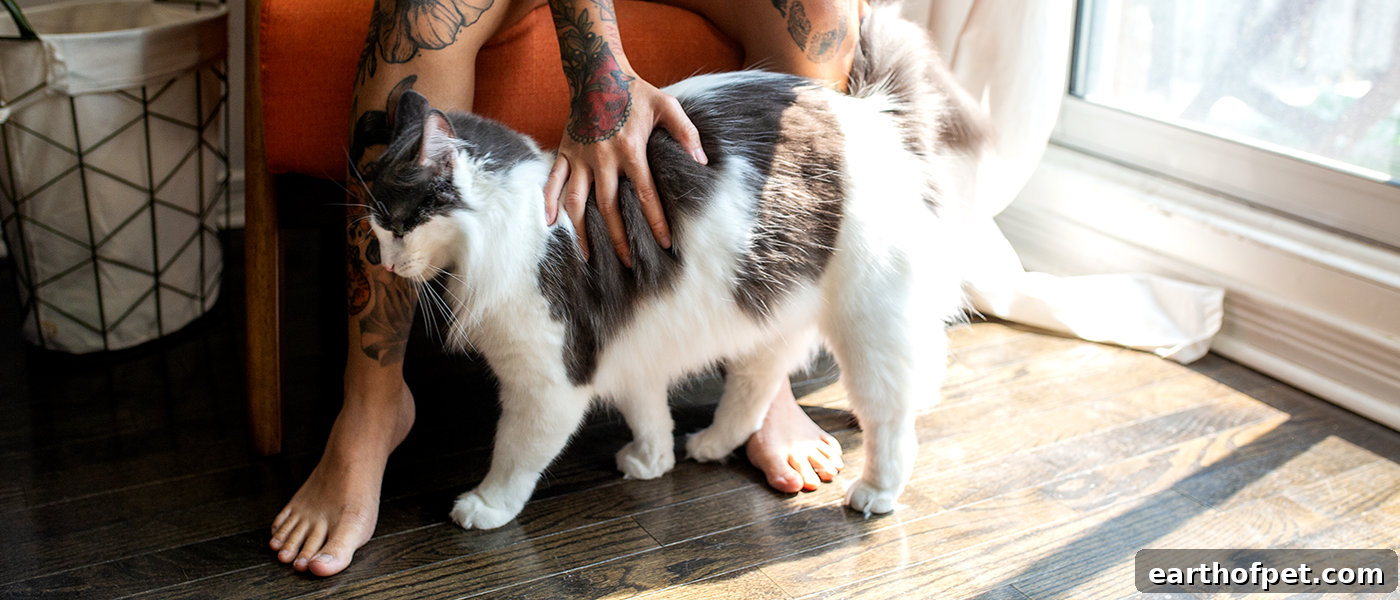
- Regular Grooming: Brushing your cat removes loose fur before it can be swallowed. Short-haired cats benefit from weekly brushing; long-haired breeds often need daily or every-other-day grooming to control tangles and shedding. Brushing also strengthens your bond with your cat and gives you a chance to check the skin for irritation, parasites, or wounds. If your cat grooms excessively, try redirecting the behavior with play, environmental enrichment, or calming techniques rather than encouraging over-grooming.
- Hairball Remedies: Over-the-counter hairball products are designed to help hair pass through the digestive system. Many are palatable gels or pastes you can apply to your cat’s paw so they lick it off. These treatments often act as mild lubricants or gentle laxatives, easing the passage of fur and reducing the likelihood of vomiting. Use these products as directed and consult your veterinarian if hairballs remain frequent or if your cat shows signs of distress.
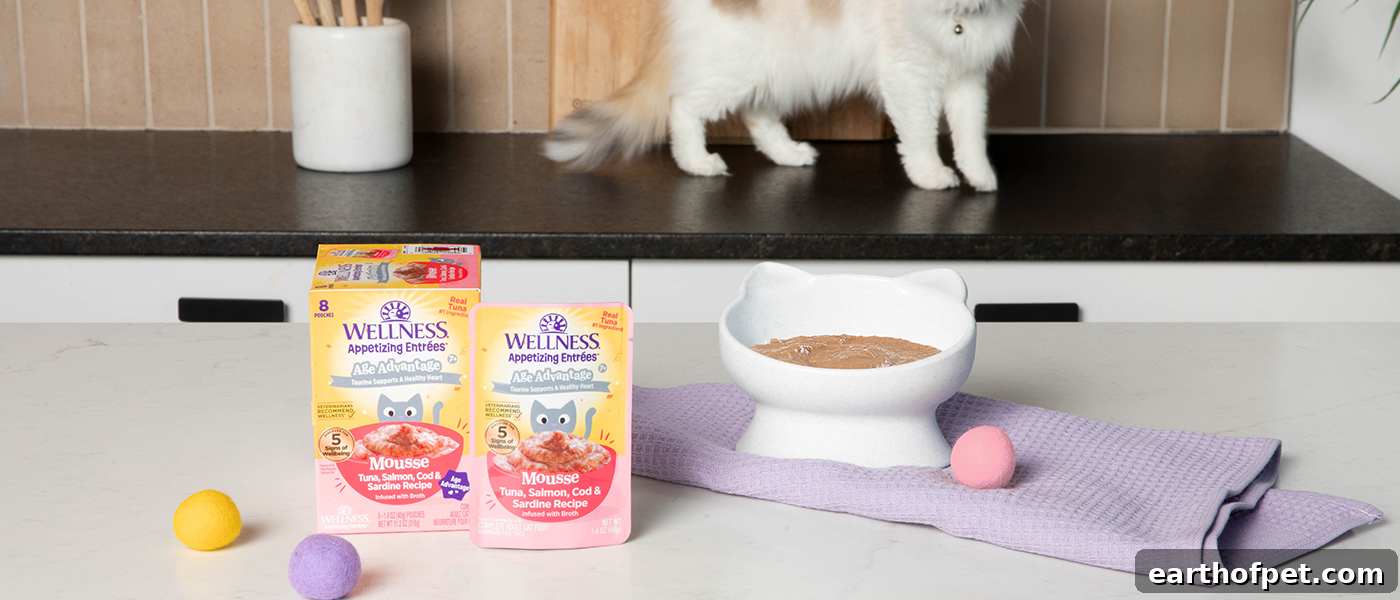
- Dietary Management: Specialized hairball-control diets and high-fiber foods can support intestinal transit and reduce hairball formation. High-fiber ingredients help move ingested hair through the gut, while some formulas include added nutrients to support skin and coat health, which can lower shedding over time. When choosing a hairball-specific food, read labels carefully and consider your cat’s overall nutritional needs. If you have any doubts, ask your veterinarian which diet is appropriate for your cat’s age, weight, and health status.
Signs That a Hairball Problem Needs Veterinary Attention
It’s normal to see occasional coughing or retching as a cat dislodges and expels hairballs. However, persistent or severe symptoms may indicate a more serious issue such as intestinal blockage, constipation, or an underlying medical condition. Contact your veterinarian if you notice any of the following:
- Repeated retching, gagging, or coughing without producing a hairball
- Persistent constipation or difficulty passing stool
- Diarrhea or changes in stool consistency
- Loss of appetite or sudden weight loss
- Lethargy, decreased activity, or signs of pain
These signs warrant prompt veterinary assessment. Your veterinarian can perform an exam, run diagnostic tests if needed, and recommend treatments such as dietary changes, medical therapies, or in rare cases, surgical intervention.
With consistent grooming, appropriate dietary support, and occasional use of hairball aids, most cats experience fewer hairball episodes and better digestive comfort. If you’re considering a hairball-control diet, look for reputable formulations that meet your cat’s nutritional needs, and consult your vet for personalized advice. Timely attention to changes in behavior or bowel habits will help keep your cat healthy and comfortable.