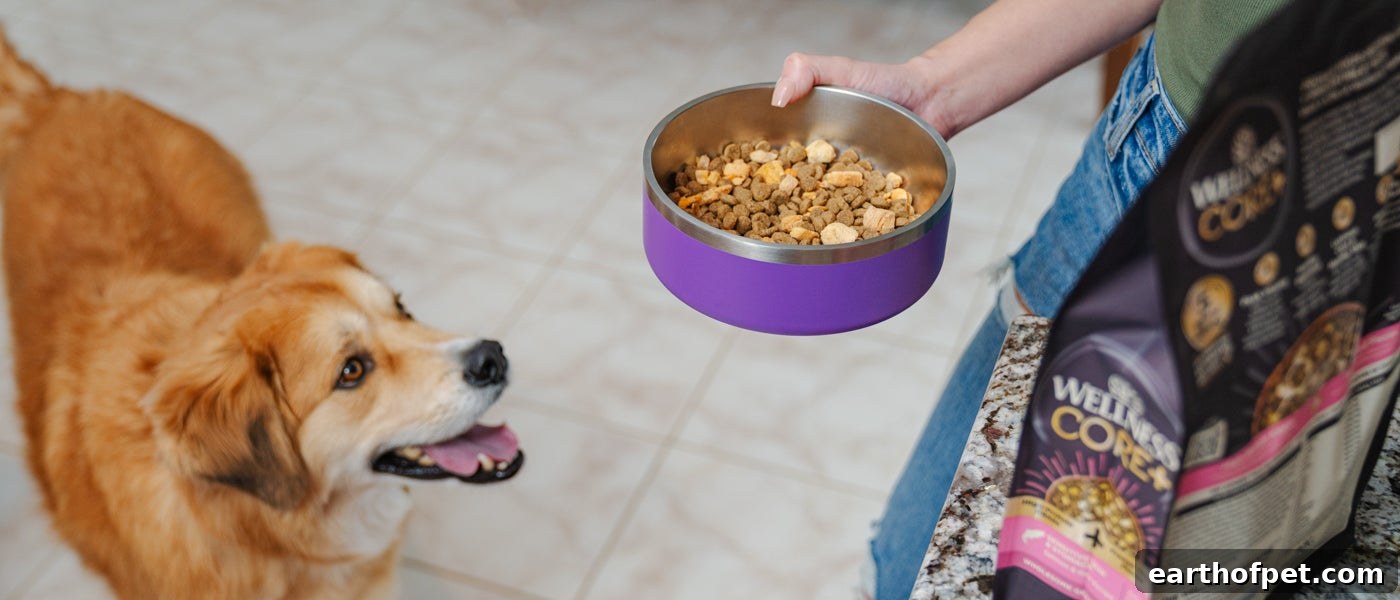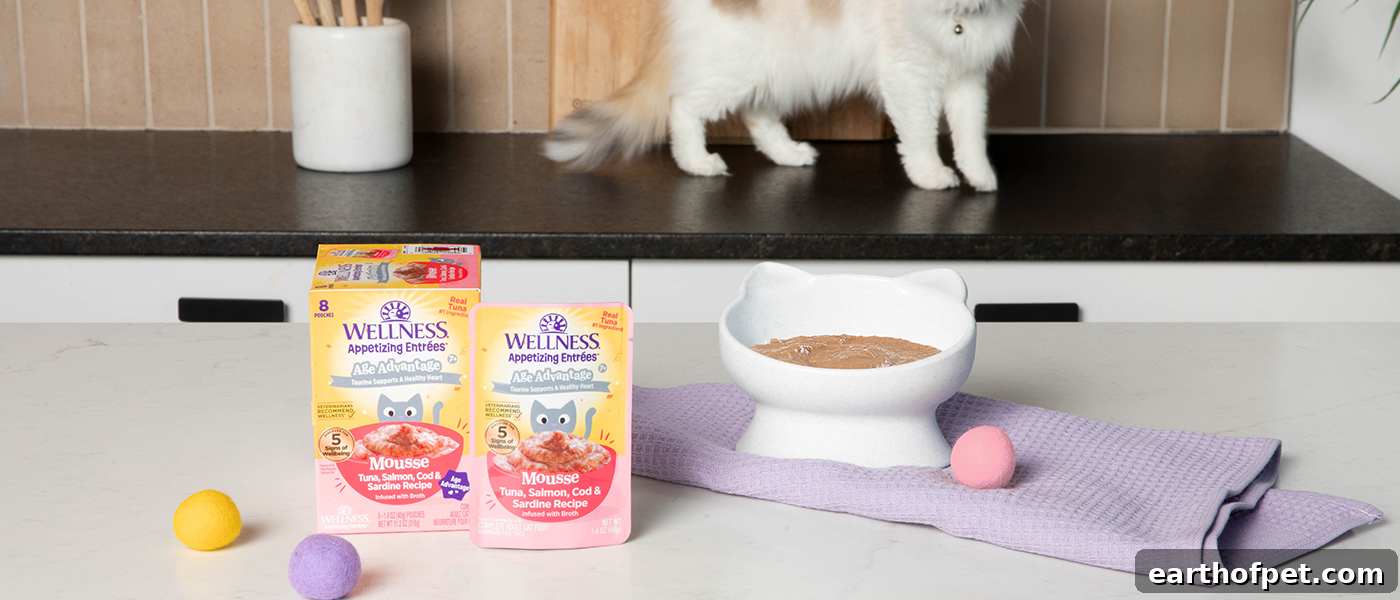
As pet owners, we want the best for our dogs, and diet plays a vital role in managing and preventing heart disease. Like humans, dogs can develop cardiac conditions, and choosing appropriate food is an important part of a comprehensive care plan. This article explains how to feed a dog with heart disease, what to look for when selecting preventative diets, the stages of canine heart disease, common misconceptions, and practical management tips including monitoring options.
Consulting your veterinarian is essential before making major dietary changes. A tailored approach — based on your dog’s age, breed, weight, medical history and stage of heart disease — will deliver the best outcomes.
What do you feed a dog with heart disease?
Feeding a dog with heart disease focuses on balanced, nutrient-rich food that supports cardiac function while avoiding dietary components that can worsen symptoms. The exact recommendations will depend on the type and severity of the condition, but the following principles are commonly advised by veterinary professionals.
Tailoring the Diet to Individual Needs
There is no one-size-fits-all diet for dogs with heart disease. Your veterinarian will consider clinical signs, bloodwork, imaging, and medications when recommending a feeding plan. Important factors include caloric needs, muscle maintenance, body condition, and any concurrent illnesses.
Reducing sodium intake can help control fluid retention and blood pressure in many dogs with cardiac disease, but sodium targets should be set by your veterinarian to match your dog’s specific situation.
Choose High-Quality Proteins and Healthy Fats
Select foods with high-quality protein sources such as lean meats and fish to help preserve muscle mass and support overall metabolism. Protein should be appropriate for the dog’s life stage and health status.
Omega-3 fatty acids (EPA and DHA), commonly found in fish oil, offer anti-inflammatory benefits that can support cardiovascular health and overall wellbeing. Your veterinarian can advise on appropriate supplementation and dosing.

What is the best dog food to prevent heart disease?
Preventing heart disease starts with a balanced diet, healthy weight management, and regular veterinary care. While no single food guarantees prevention, the following criteria help identify diets that support long-term heart health:
Balanced Nutrition
Choose diets that provide a complete balance of proteins, fats, carbohydrates, vitamins and minerals appropriate for your dog’s age and activity level. Maintaining a healthy weight reduces strain on the heart and lowers the risk of related problems.
Moderate Sodium Content
Excess sodium can contribute to hypertension and fluid retention. For dogs at risk of or diagnosed with cardiac disease, low- to moderate-sodium formulations may be recommended. Discuss sodium targets with your veterinarian before switching diets.
Avoiding Potential Risk Patterns
Some diet patterns have been scrutinized for possible links to certain heart conditions. Ongoing research seeks to clarify these associations. If you have concerns about grain-free or unconventional ingredient profiles, bring them up with your veterinarian and choose diets backed by veterinary nutrition guidance.
What are the 4 stages of heart disease in dogs?
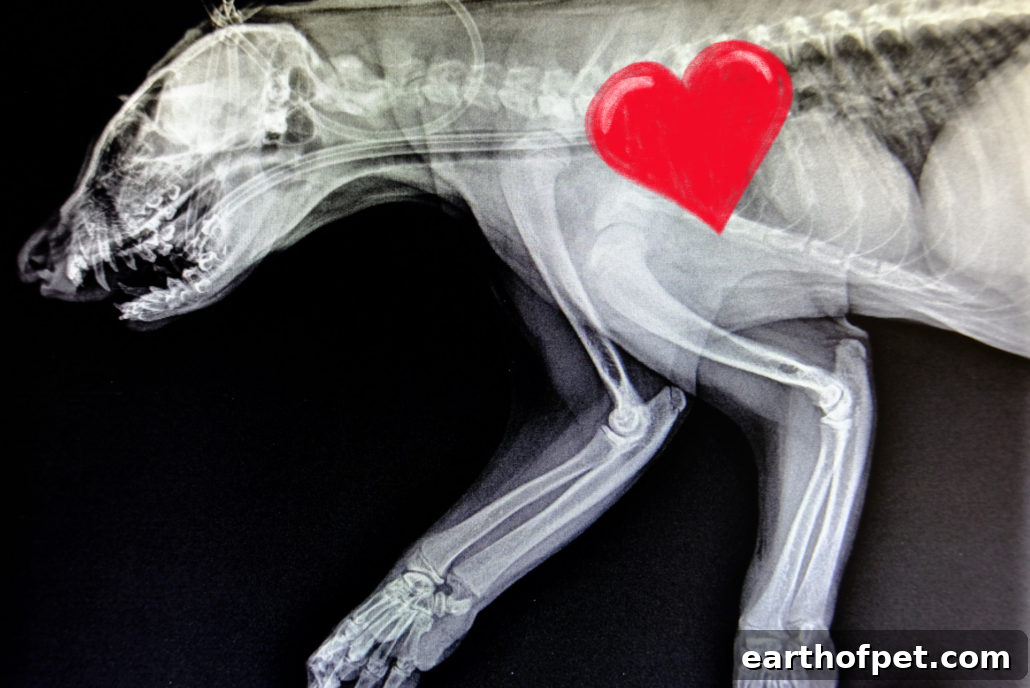
Recognizing the stages of heart disease helps with early intervention and appropriate care. Veterinarians commonly describe four progressive stages:
- Stage 1 – Preclinical: No obvious symptoms, but diagnostic tests may show early cardiac changes.
- Stage 2 – Mild Heart Disease: Mild signs such as fatigue, occasional cough, or reduced exercise tolerance may appear; dietary adjustments and monitoring are helpful.
- Stage 3 – Moderate Heart Disease: Symptoms become more pronounced (coughing, breathing difficulty, exercise intolerance); medications and a specialized diet are often needed.
- Stage 4 – Severe Heart Disease: Advanced symptoms can severely limit normal activity; intensive medical management and tailored nutrition are critical to support quality of life.
Debunking Myths about Food and Canine Heart Disease
Public attention has focused on links between certain pet food formulations and heart disease. It’s important to separate correlation from causation and to rely on veterinary advice and reputable research. Breed genetics, underlying health conditions, and overall nutrient balance all influence risk.
Grain-Free Diets and Risk
Some studies have observed associations between grain-free diets and increased incidence of certain heart conditions in dogs. However, the relationship is complex and not fully understood. If you are concerned about grain-free formulations, talk with your veterinarian about alternative diets that meet your dog’s nutritional needs.
Does Dog Food Cause Heart Disease?
Diet may be one of several contributing factors in some cases, but claiming that specific foods directly cause heart disease oversimplifies the issue. Genetics, breed predisposition, concurrent illnesses, and overall diet quality all play roles. The best approach is a balanced, vet-recommended diet tailored to your dog’s health.

Managing Heart Disease in Dogs
Effective management combines veterinary care, appropriate medication, nutrition, weight control, and regular monitoring. Work with your veterinarian to set dietary goals, track progress, and adjust treatments as needed. Early detection and consistent management improve outcomes and quality of life.
PetPace Collar for Home Monitoring
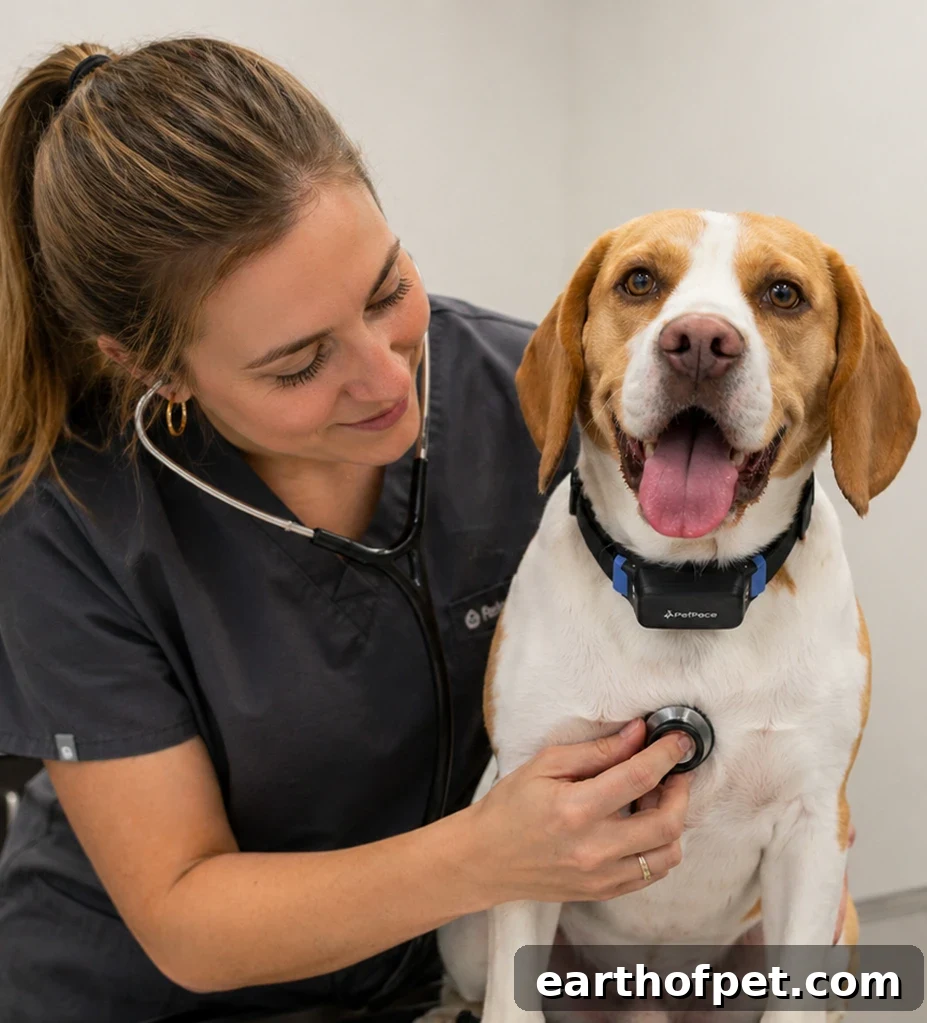
PetPace’s Health 2.0 collar is designed to support at-home monitoring of pets with cardiac conditions. Unlike basic activity trackers, this collar can provide frequent heart rate checks and continuous measurements of vital signs—such as pulse, respiratory rate, temperature, heart rate variability, activity, sleep quality and posture—helping owners and veterinarians spot changes sooner. Continuous data can assist in timely adjustments to medication, diet and exercise plans, improving long-term care for dogs with heart disease.
Nutrition and monitoring are two complementary pillars of heart disease management. By collaborating with your veterinarian, choosing a diet based on your dog’s individual needs, and using appropriate monitoring tools, you can help maintain your dog’s comfort and extend healthy years together.