Many chronic diseases in cats develop slowly over months or even years. In the earliest stages, cats often continue to eat, sleep, and behave in ways that seem normal, which makes it very difficult for even careful owners to notice anything amiss.
This was the case with Mya, a 14-year-old indoor domestic shorthair who appeared healthy on the surface. She had no obvious signs of illness and no known prior medical problems. Yet, unseen by the eye, her body was already undergoing physiological changes that signaled a deeper condition.
Why Are Chronic Conditions So Hard to Detect in Cats?
Cats are naturally adept at hiding pain and discomfort. Many chronic conditions progress gradually, so subtle internal changes can begin long before outward symptoms become apparent. As a result, by the time owners or veterinarians notice clear behavioral or physical signs, the disease may be more advanced and more difficult to manage.
Common chronic conditions in older cats include:
- Hyperthyroidism
- Kidney disease
- Heart disease
- Hypertension
- Arthritis
- Diabetes
Each of these conditions can evolve quietly. Early-stage changes—alterations in heart rate, respiration, activity, sleep, or appetite—may be subtle and easily missed without long-term observation of physiological trends.
Mya’s Story: The Hidden Signs No One Could See
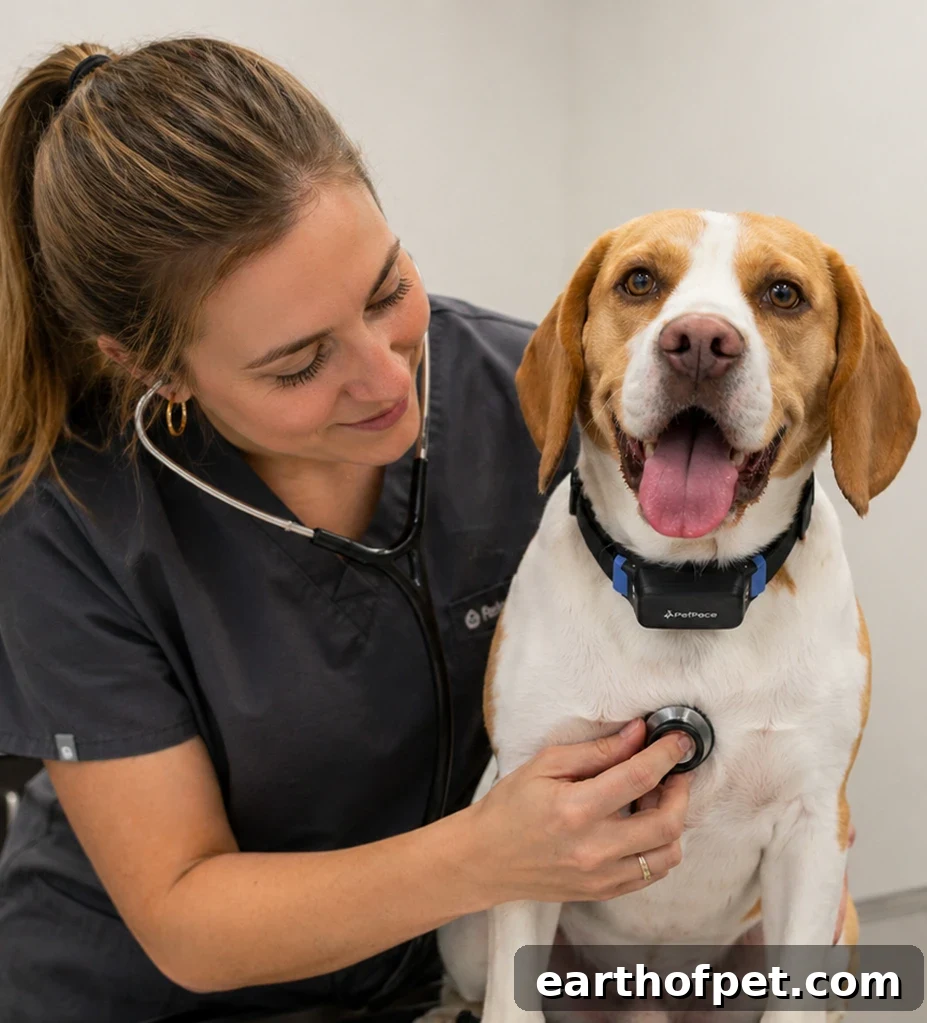
Mya’s owner, a veterinary technician, used a continuous health monitoring collar as part of routine screening. To human observers, Mya looked well: she was eating and behaving normally. However, the collar captured physiological data that revealed several concerning trends.
The recorded changes included elevated pulse levels, unusually high maximum pulse readings, and reduced heart rate variability (HRV). Those deviations were significant enough to prompt a veterinary examination, despite an otherwise unremarkable physical check.
Further diagnostic testing, including bloodwork, detected a marked elevation in thyroid hormone levels consistent with hyperthyroidism. Because the physiological monitoring flagged the abnormal trends early, additional testing occurred before the disease had caused extensive damage.
What Is Hyperthyroidism in Cats?
Hyperthyroidism arises when the thyroid gland produces excessive thyroid hormones, which regulate metabolism and affect multiple organ systems. As the condition advances, it can lead to weight loss, increased cardiac workload, elevated blood pressure, organ stress, changes in behavior, an increased appetite, and restlessness.
Because symptoms typically develop gradually, pet owners may not notice them until the disease is more established. Routine wellness checks combined with attention to physiological trends can help catch hyperthyroidism and other chronic conditions at an earlier, more treatable stage.
Why Early Detection Matters in Chronic Diseases
Timing is crucial with chronic disorders. The earlier a condition is identified and managed, the better the chance of preventing severe complications and preserving quality of life. In Mya’s case, treatment was started promptly after diagnosis: oral medication to reduce excess thyroid hormone levels.
Within a few months of therapy, follow-up monitoring showed meaningful improvement in her physiological parameters—lower pulse indices, improved heart rate variability, and healthier overall trends. Because the condition was caught early, Mya responded well to treatment and avoided more serious consequences.
Can Physiological Changes Appear Before Symptoms?
Yes. Many chronic diseases begin affecting the body internally before obvious behavioral or physical symptoms appear. Shifts in pulse patterns, HRV, respiration rate, daily activity, or sleep behavior can precede visible signs, particularly in cats who naturally mask discomfort.
Long-term physiological monitoring can therefore serve as an early-warning tool. In some cases, these objective measurements are the first indication that something deeper is occurring and can trigger timely diagnostic testing and intervention.
What Can Cat Owners Learn From Mya’s Story?
Mya’s experience highlights an important truth: a cat may look healthy externally while significant physiological changes are unfolding internally. Chronic diseases often progress quietly, and early warning signs can be very subtle.
Owners and veterinarians who pay attention to long-term trends in health data—such as heart rate, HRV, respiration, activity, and sleep—have a better chance of identifying problems before they become severe. Catching changes early can improve treatment outcomes and help maintain a cat’s health and comfort as they age.