While brushing your dog’s teeth remains the single most effective home care practice for maintaining oral health, it’s also one of the hardest routines for many pet owners to sustain. With around 80% of adult dogs showing signs of dental disease, it’s essential to consider practical, supplementary options — including dental treats and chews that target bad dog breath. When thoughtfully designed and used alongside regular veterinary cleanings and periodic tooth brushing, dental chews can help reduce plaque and tartar buildup, freshen breath, and support healthier gums, keeping you and your dog one step ahead of dental problems.
WHAT ARE DENTAL CHEWS?
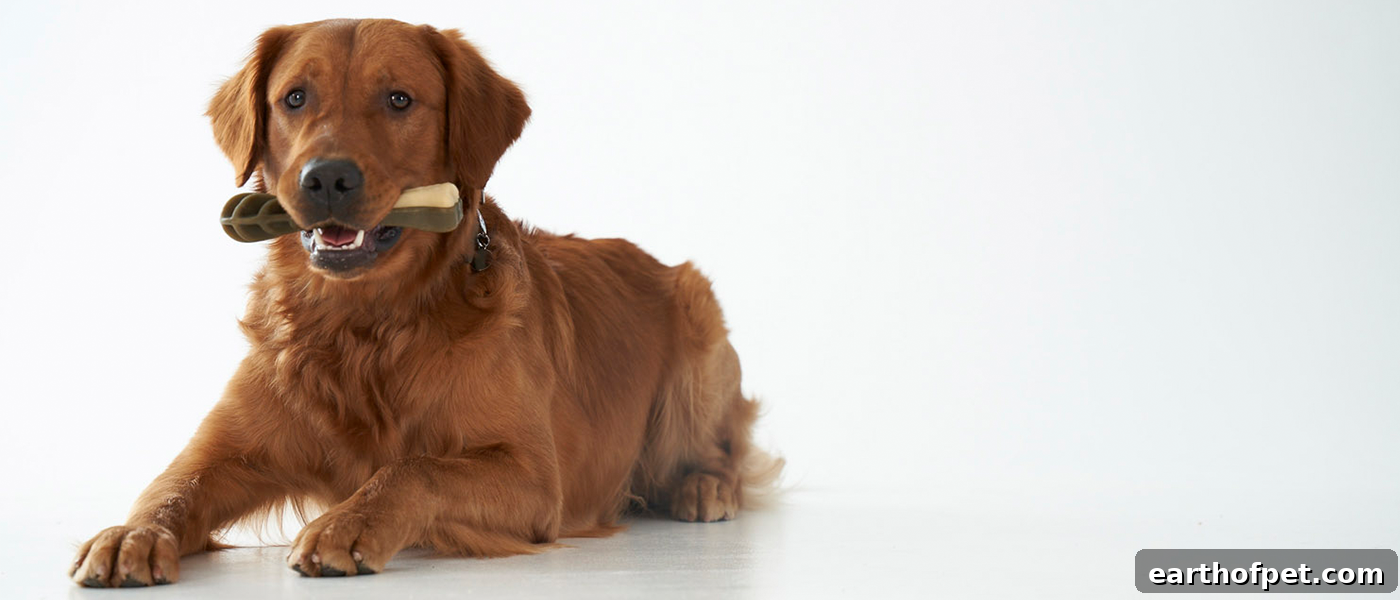
A dental chew is a specially formulated treat intended to support your dog’s oral hygiene. Unlike ordinary treats, dental chews are typically textured or shaped to create mechanical abrasion on the tooth surface as the dog chews, mimicking some of the effects of brushing. They are fully digestible and designed to be safe when used as directed. Most dogs enjoy chewing as a natural behavior — it relieves boredom and anxiety and provides mental stimulation — so dental chews can be an easy, enjoyable addition to a dog’s routine that also helps address bad dog breath.
ARE DENTAL CHEWS GOOD TREATS FOR BAD DOG BREATH?
Although daily tooth brushing is still the gold standard for at-home dental care, many dental chews have been shown to contribute meaningfully to oral hygiene. Chews that have been evaluated and accepted by reputable veterinary organizations are more likely to deliver measurable benefits such as reduced plaque and tartar and improved gum condition, which in turn can reduce halitosis. Incorporating a dental chew into a comprehensive routine — one that includes veterinary exams, professional cleanings when recommended, appropriate diet, and tooth brushing when possible — offers a practical way to help control bad dog breath.
HOW DO YOU KNOW WHAT DENTAL CHEW WORKS BEST?
Pet stores today carry a wide array of dental chews, and marketing claims can make it hard to choose. To shop wisely, look for products that have been independently evaluated and accepted by respected veterinary dental groups. These endorsements indicate the chew’s design and formulation were tested for their ability to reduce plaque and tartar. Also consider factors like your dog’s size, age, chewing strength, and any dietary sensitivities. For example, softer chews may be better for small breeds or senior dogs with fragile teeth, while sturdier, textured chews suit heavier chewers. Ingredients matter too: choose chews made from safe, digestible components and avoid treats with ingredients your dog cannot tolerate.
DON’T FORGET:
When adding a dental chew to your dog’s oral care plan, match the chew to your dog’s size and chewing style. A chew that’s too small could be swallowed whole, while an oversized or calorie-dense chew can contribute excess calories over time. If you select a veterinarian-accepted product such as a well-known dental chew brand, read the feeding guidelines and monitor your dog during chew time. Dental chews are a helpful supplement but not a replacement for professional dental exams or a home brushing routine when feasible.
Finally, if your dog has persistent bad breath despite regular chewing, treats, and home care, schedule a veterinary checkup. Chronic halitosis can indicate underlying dental disease or other health issues that require professional diagnosis and treatment. Using dental chews sensibly — alongside regular veterinary care, a balanced diet, and tooth brushing when possible — gives your dog the best chance for lasting oral health and fresher breath.