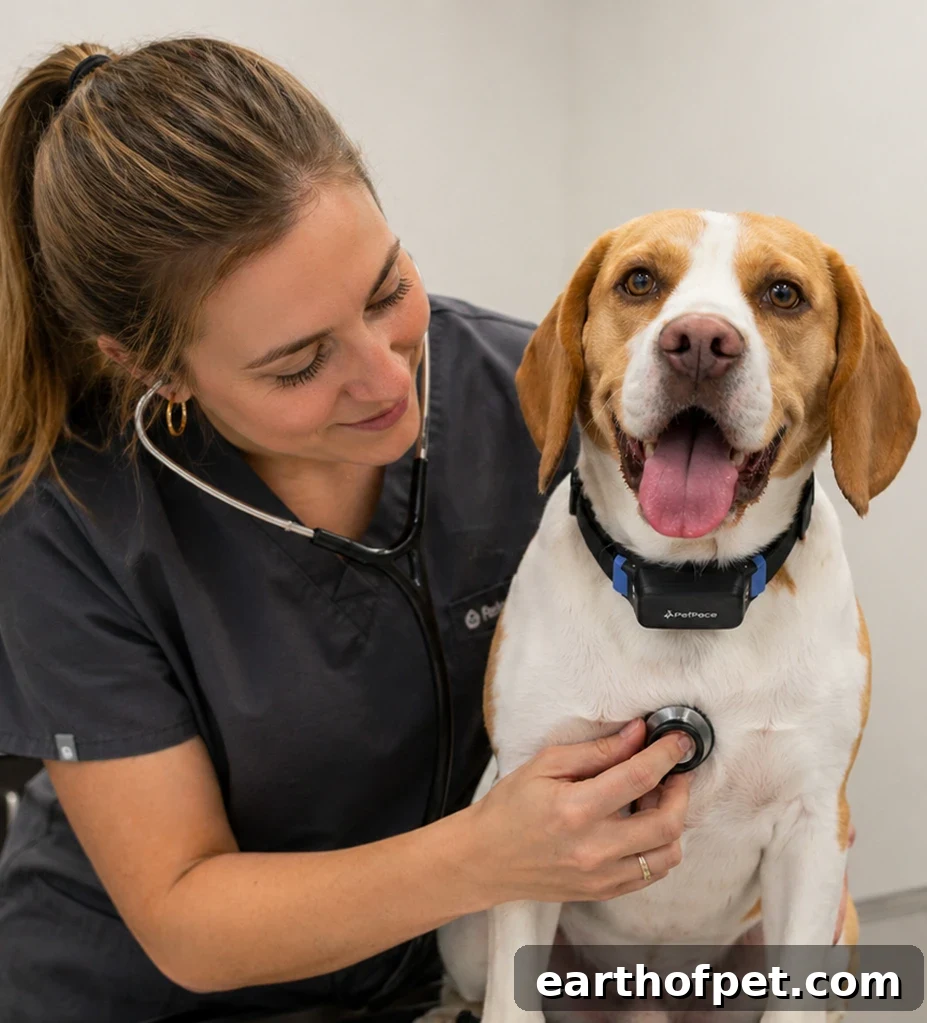
Patient Condition and History
Chester, a 10-year-old, 43 lb male American Cocker Spaniel, presented to MediVet Warbreck House Veterinary Centre in Liverpool, UK after 24 hours of weakness, lethargy and labored breathing. His medical history included chronic kidney disease (IRIS stage 2), hypothyroidism, hypertension, a prior anterior cruciate repair and recurrent otitis. He had been on long-term medication for these conditions.
On examination, Dr. Andrew McVey noted increased respiratory effort and an elevated respiratory rate. Bloodwork demonstrated moderate but stable azotemia consistent with his chronic kidney disease. Thoracic radiographs revealed pulmonary edema and marked cardiomegaly. An echocardiogram confirmed significant left-sided dilation with reduced fractional shortening. Based on these findings, Chester was diagnosed with dilated cardiomyopathy (DCM) leading to congestive heart failure (CHF).
Dilated cardiomyopathy is a myocardial disease characterized by enlargement of the heart chambers and decreased contractility. As the muscle weakens, the heart dilates to compensate, which can ultimately result in congestive heart failure when fluid accumulates in the lungs, abdomen or other tissues.
Treatment and In-Hospital Monitoring
Chester was hospitalized for stabilization and received intravenous pimobendan to improve cardiac contractility. Because of his pre-existing azotemia, diuretics were initially withheld to avoid worsening kidney function. He received supportive care and continuous monitoring. A PetPace collar was fitted to provide high-resolution physiologic data during hospitalization and to continue monitoring at home after discharge.
Remote Monitoring Results
Chester continued to wear the PetPace collar after discharge to track recovery trends. Continuous monitoring showed meaningful changes within the first 24–48 hours of initiating pimobendan. Pulse indices decreased, indicating improved cardiac performance, and heart rate variability (HRV) improved markedly after the first day of treatment. These objective changes correlated with Chester’s clinical improvement and the clinical judgment of his veterinary team.
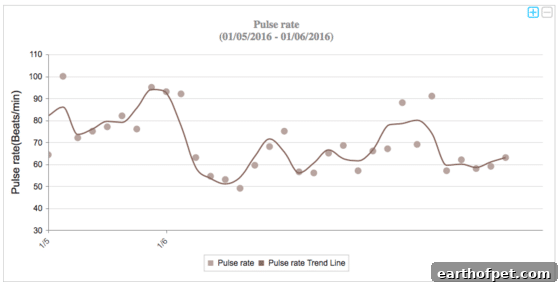
Early aggregated pulse data demonstrated a lower overall pulse rate on day two compared with day one, consistent with improved cardiac function following therapy.
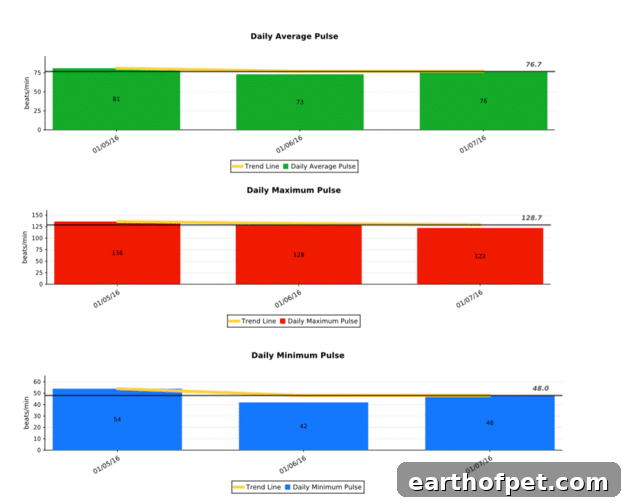
Daily averages, maxima and minima for pulse rate showed clear improvement on days two and three after introducing pimobendan.
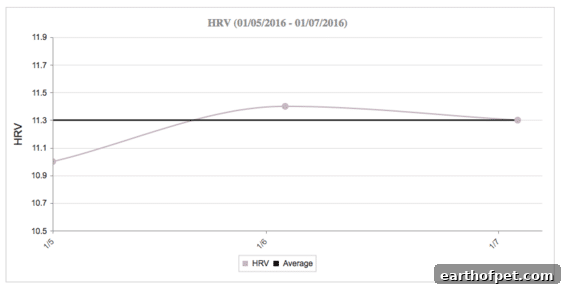
Daily HRV (VVTI) rose significantly after the first day of treatment, reflecting improved autonomic balance and cardiac status.
Follow-Up and Long-Term Trends
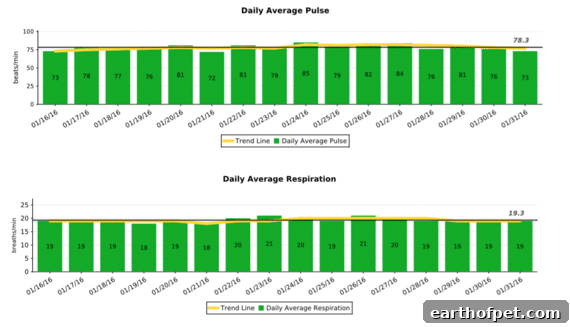
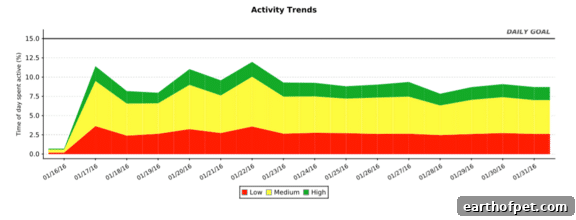
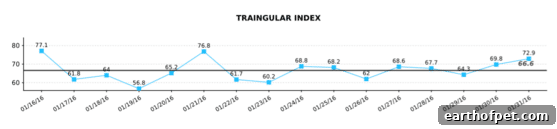
In the weeks after hospitalization, the collar continued to capture daily trends. Chester’s pulse and respiration rates remained slightly higher than typical for a healthy dog but were stable. Activity levels and HRV metrics settled into consistent ranges at home. Repeat clinical examinations confirmed resolution of the acute CHF episode and a stable clinical state, with the understanding that ongoing medication is required to manage his DCM.
Discussion
American Cocker Spaniels are a breed predisposed to dilated cardiomyopathy. While DCM has no cure, medical management can maintain dogs in a stable, often asymptomatic state for months or years. However, affected dogs remain at risk for serious complications such as heart failure or fatal arrhythmias. Regular monitoring of pulse rate, respiratory rate, HRV and activity provides valuable data to detect changes early and guide treatment adjustments.
Continuous wearable monitoring, as provided by the PetPace collar, supplies high-resolution, real-time and longitudinal data that complement clinical assessments. Objective trends captured at home can be especially informative because they reflect the patient’s condition outside the clinic environment.
Conclusions
The PetPace collar accurately detected short- and long-term changes in key physiologic parameters that helped clinicians manage Chester’s DCM and CHF. Clinicians can use such data to assess disease severity, evaluate response to therapy and identify early signs of deterioration. Trend analysis may also reveal early phases of disease progression that precede obvious clinical signs, enabling earlier intervention and more individualized care plans.
Dr. Andrew McVey, Veterinary Surgeon and Partner at MediVet Warbreck House Veterinary Centre in Liverpool, UK, commented:
“The PetPace collar provided us with high-resolution clinical data at the hospital, which helped stabilize the patient. More importantly, the collar monitored the patient at home after discharge. The data, which correlated well with the owner’s reports and the findings of our follow-up exams, was instrumental in assessing the patient’s condition and guiding clinical decisions.”
Dr. Asaf Dagan, DVM, Diplomate ABVP (Canine and Feline Practice) and PetPace Chief Veterinarian, added:
“Most pets with chronic heart disease are treated at home with long-term medications. Objective, high-resolution data from the home environment gives clinicians the ability to manage these cases more effectively by providing continuous and representative measures of a patient’s true status.”