Bad dog breath is unpleasant for pet owners and can signal underlying oral health issues. Most cases of strong, persistent dog breath stem from inadequate oral hygiene. With consistent care—such as regular tooth brushing, appropriate chews, and professional veterinary checkups—you can reduce odors and support your dog’s overall dental health.
WHAT CAUSES BAD DOG BREATH?
When your dog’s breath shifts from tolerable to noticeably foul, it’s a warning sign to investigate the source. Several common factors contribute to bad dog breath:
- Poor oral hygiene: Plaque and tartar buildup are the most frequent causes of bad breath in dogs. Left untreated, plaque hardens into tartar, which irritates gums and leads to gingivitis and periodontal disease. Tooth decay and oral infections also produce strong odors and can progress to painful, serious conditions if not treated promptly.
- Systemic illness: Although less common, persistent bad breath can indicate health problems beyond the mouth, such as kidney or liver disease, diabetes, or gastrointestinal issues. If you maintain good oral care and your dog’s breath remains foul, consult your veterinarian to rule out systemic causes.
- Diet and chewing habits: Diets high in certain ingredients or frequent consumption of soft, sticky foods can contribute to plaque accumulation. Dogs that don’t have appropriate chewing opportunities may also develop more buildup on their teeth.
- Foreign objects and mouth wounds: Occasionally, something trapped in the mouth or an oral injury can produce a bad smell. Regularly check your dog’s mouth for signs of swelling, bleeding, or lodged debris.
HOW DO I PREVENT BAD DOG BREATH?
Prevention focuses on consistent oral care, appropriate products, and routine professional attention. Here are effective strategies for preventing and managing bad dog breath:
- Daily brushing: Brushing your dog’s teeth is the single best way to reduce plaque and prevent tartar buildup. Use a toothbrush and toothpaste formulated for dogs—never human toothpaste—and aim for daily brushing or at least several times a week. Start slowly and make the experience positive with praise and small rewards.
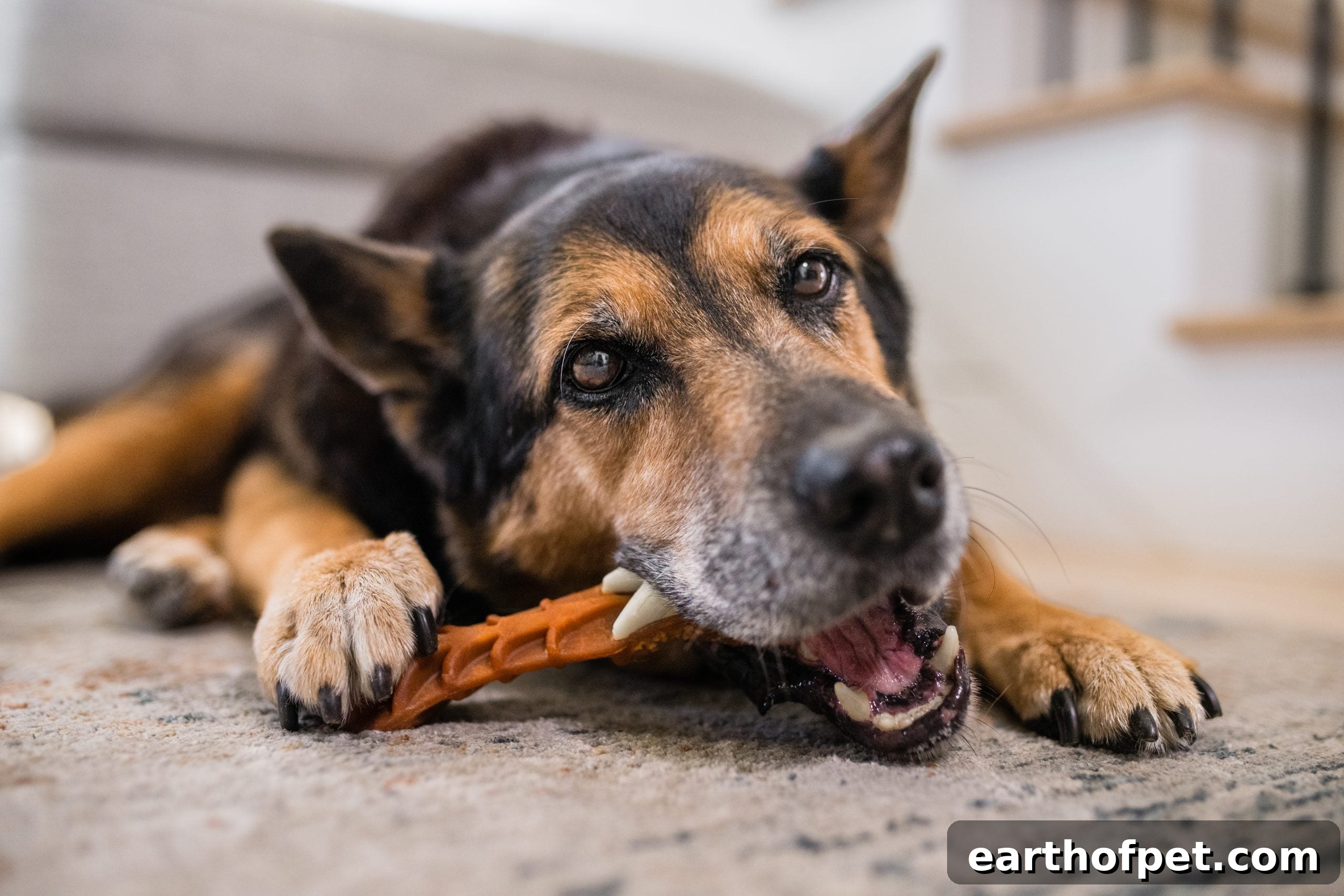
- Dog dental chews and treats: Properly sized dental chews can mechanically reduce plaque by scraping tooth surfaces as your dog chews. Choose chews designed to promote dental health and appropriate for your dog’s size and chewing strength. Dental chews are a convenient complement to brushing, not a complete replacement.
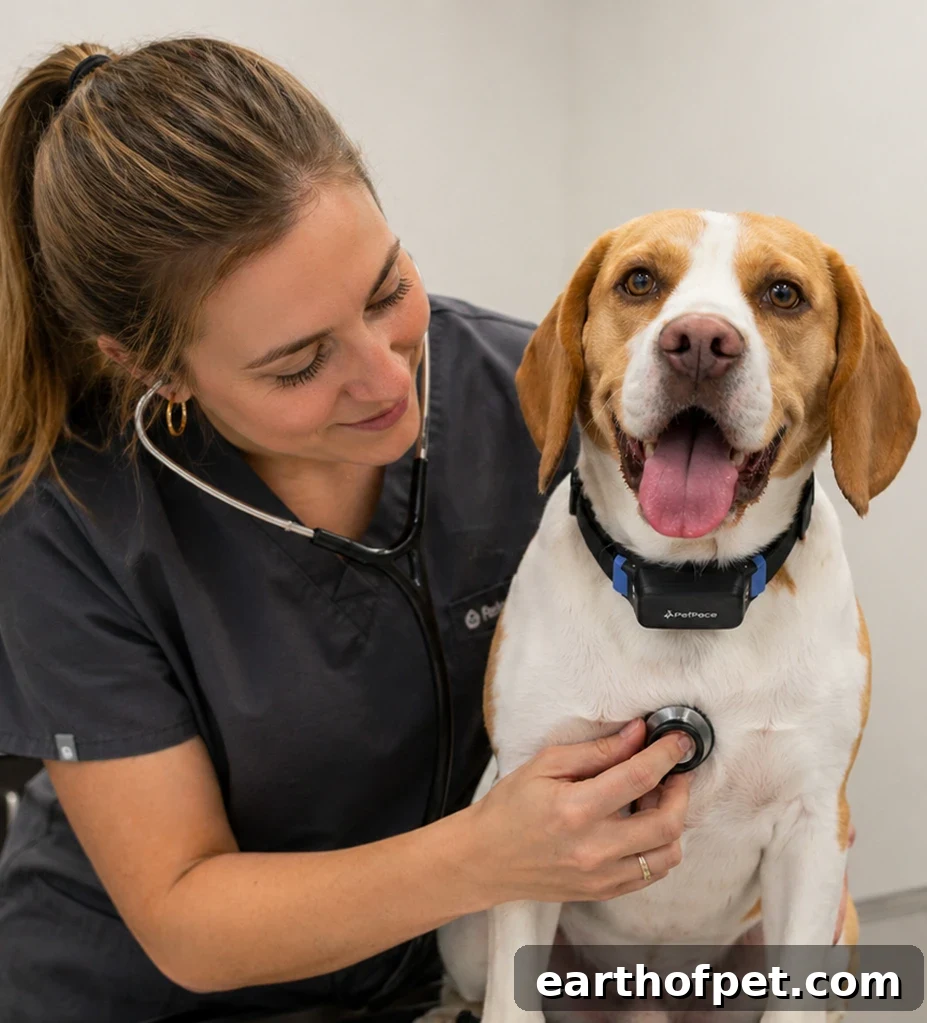
- Regular veterinary dental exams: Schedule routine checkups with your veterinarian. Professional cleanings may be necessary if tartar has hardened or if there are signs of periodontal disease. Your vet can also evaluate for systemic conditions that might cause bad breath and recommend diagnostics or treatment when needed.
- Diet and chewing opportunities: Provide a balanced diet and offer safe chew toys or dental-specific toys to encourage natural scraping of tooth surfaces. Avoid feeding foods that are known to stick to teeth or promote bacterial growth.
- Monitor and act early: Pay attention to changes in breath, eating habits, drooling, or mouth sensitivity. Early intervention can prevent more severe dental disease and reduce the need for extensive dental procedures.
WHAT DO DOG DENTAL CHEWS DO FOR BAD DOG BREATH?
Dog dental chews help control bad breath by physically removing plaque and stimulating saliva flow. As your dog chews, the texture of the treat or toy works against the tooth surface, helping to dislodge soft plaque before it mineralizes into tartar. Increased saliva also aids natural cleansing and helps balance bacteria in the mouth.
While dental chews are effective as part of a dental care routine, they should be used alongside regular tooth brushing and veterinary care. Not all dental products are equally effective—look for items formulated specifically for dental health and appropriate for your pet’s size and chewing style. You can also verify product claims through reputable sources, such as independent oral health councils and veterinary recommendations, to ensure the chew you choose provides measurable benefits.
Bad dog breath can be managed and often prevented with consistent oral hygiene, suitable dental chews, and regular veterinary attention. By combining daily brushing, thoughtful product choices, and professional checkups, you can help keep your dog’s mouth healthy and their breath fresh—making close moments with your pet much more enjoyable.