Dogs communicate in many ways, even while they sleep. The positions they choose reveal clues about their comfort, emotions, and physical well-being. Paying attention to these postures helps pet owners understand their companions more deeply—each pose is a small chapter in the story of your dog’s daily life and overall health. Find out what your dog’s sleeping position tells you about their personality.
Sleep positions are not random. From the sprawled belly-up nap to the curled-up ball, each posture reflects a combination of instinct, physical comfort, and emotional state. Observing how your dog rests can offer insight into whether they feel safe, alert, warm, or in need of extra care.
One common pose is the stretched-out “superman” position, with the back legs extended behind and the front legs reaching forward. This posture often indicates a content, confident dog who feels secure in their environment. If your dog rests their head on their front paws while stretched out, it can add a note of mild vigilance—comfortable but ready to respond, a sign of loyalty and attentiveness.
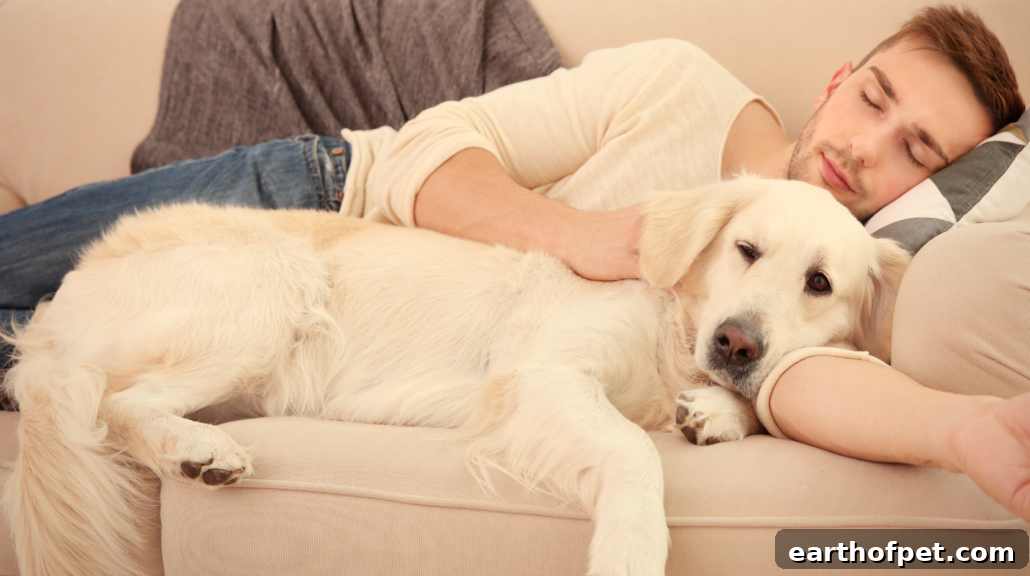
Lying on the side—completely exposing the belly—is another familiar sleep position. When dogs sleep on their side, they are typically relaxed and trusting. This posture leaves vulnerable parts exposed, so a dog that chooses it usually feels safe and calm around the people and other animals in their home.
The belly-up position, with the dog lying on their back and stomach exposed, is both adorable and revealing. It signals a high level of relaxation and often an invitation for gentle affection. Puppies commonly adopt this pose, though adult dogs will, too, when they are carefree and content. Because it exposes vital organs, a belly-up nap is one of the clearest signs your dog feels secure.
Curling into a tight ball is a classic instinctive posture rooted in protection and warmth. This position reduces exposed surface area and conserves body heat, making it especially common in colder conditions or for dogs that want to feel cozy and guarded. Older dogs or those experiencing joint stiffness may also select this pose because it can feel more supportive and less demanding on uncomfortable joints.
Other subtle signs in sleep behavior are worth noting. Frequent shifting, restless legs, or repeatedly assuming unusual postures can suggest discomfort, pain, or anxiety. Likewise, a sudden change in preferred sleeping positions—especially combined with other symptoms such as reduced appetite or limping—should prompt closer observation and, if needed, a visit to the veterinarian. Dogs can’t tell us with words when something bothers them, but changes in sleep can be an early and reliable indicator.
Understanding your dog’s sleep language is an act of care. Rather than treating sleep positions as merely cute moments, use them as cues to assess comfort and emotional state. Regularly observing bedtime habits strengthens your ability to spot changes quickly, which supports timely interventions and improves overall well-being.
Technology can also assist attentive owners. Smart health collars and wearable monitors help track a dog’s sleep duration, restlessness, and activity levels across days and weeks. These devices translate patterns into data that can reveal disruptions or trends you might miss in daily life. When paired with your own observations, monitoring tools offer a clearer picture of sleep quality and general health.
How do you know how much your dog is sleeping?
To assess whether your dog is getting restorative rest, look for consistent patterns: stable nightly sleep periods, limited wakeful episodes, and relaxed, natural postures. Wearable monitoring solutions can provide objective measurements—sleep duration, movement during sleep, and a sleep-quality score—making it easier to detect anomalies. Frequent or prolonged awakenings will lower sleep-quality metrics and may point to underlying issues that need attention.
Because we cannot watch our pets every moment, combining careful observation with reliable monitoring gives you the best chance to safeguard their health. By tuning into sleep positions and patterns, you’re doing more than enjoying endearing moments—you’re maintaining the bond and wellbeing of your four-legged family member. Sweet dreams to you and your canine companion.