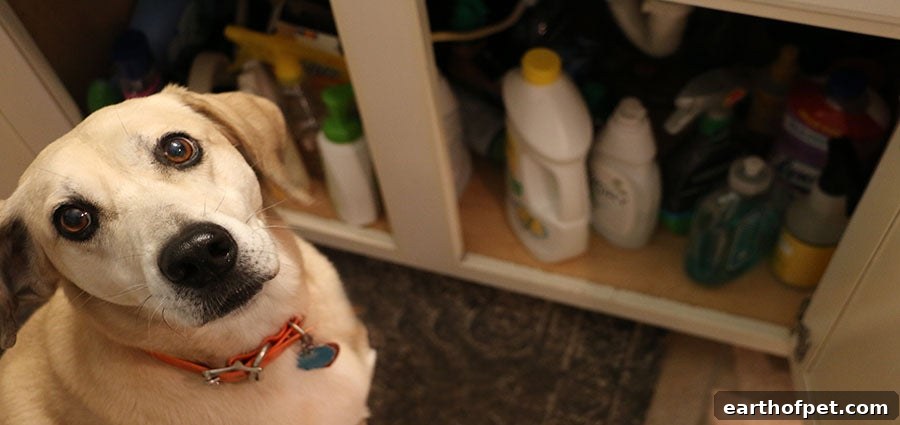
March is Pet Poison Prevention Month — a reminder that many everyday foods, plants, and household products that are safe for people can be dangerous or even fatal to pets. Keep this one-page guide on your fridge or in a visible spot as a year-round reference for common hazards and steps to take if your dog or cat is exposed to something toxic.
Foods & Beverages Toxic to Pets
- Alcohol
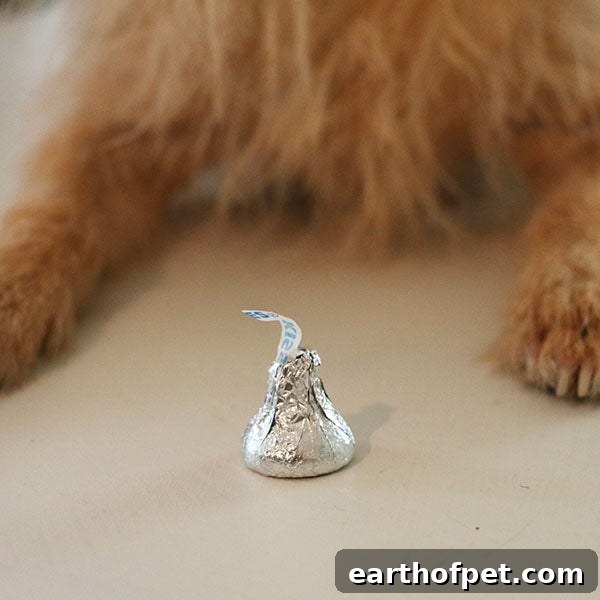
- Chocolate
- Coffee and other sources of caffeine
- Citrus leaves, peels, seeds, and stems
- Coconut and coconut oil
- Grapes and raisins
- Avocado
- Macadamia nuts
- Milk and many dairy products
- Other nuts
- Onions, garlic, and chives
- Undercooked or raw meat
- Raw eggs
- Cooked or raw bones from meat
- Processed snack foods and high-fat table scraps
- Xylitol, a sweetener found in some candy, gum, baked goods, and toothpaste
- Yeast dough
Common Poisonous Plants
- Aloe vera
- Baby’s breath
- Ivy
- Hostas
- Sago palm
- Tomato plants (green parts)
- Poinsettia
- Many lilies
- Gladiolas
- Carnations
- Begonias
- Tulips
- Daffodils
- Mums (chrysanthemums)
- Wisteria
- Lantana
- Yew
- Azaleas
- Hydrangeas
- Boxwood
- Elephant ears
- Angel’s trumpets
- Castor bean
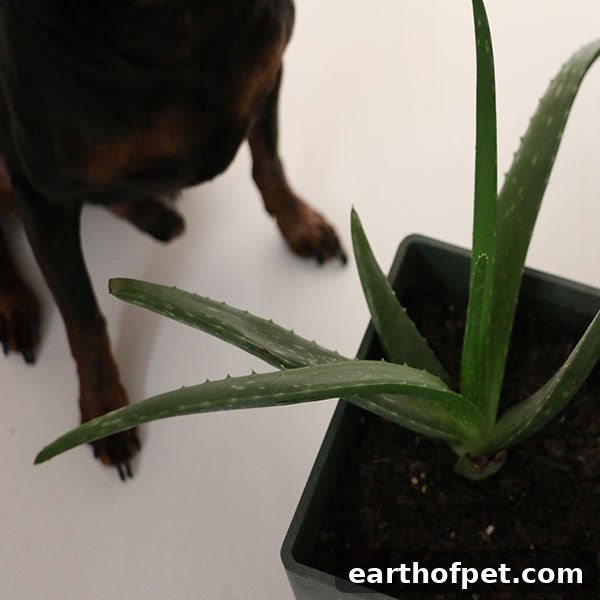
There are well over a thousand plants that can harm pets. The list above highlights many of the most common indoor and outdoor varieties. As a best practice, assume any unfamiliar plant could be dangerous to your pet and check its effects before bringing it into the home or planting it where pets can reach it.
Other Indoor & Outdoor Poison Hazards
- Human prescription and over-the-counter medications
- Incorrect or excessive doses of pet medications
- Insecticides and pesticides
- Rodent poisons
- Fertilizers and weed killers
- Cocoa mulch
- Compost piles and spoiled food scraps
- Antifreeze and automotive fluids
- Pool chemicals, including chlorine
- Strong fumes from self-cleaning ovens
- Lead paint chips or old painted surfaces
- Linoleum particles or old flooring dust
- Household cleaning chemicals, including bleach and detergents
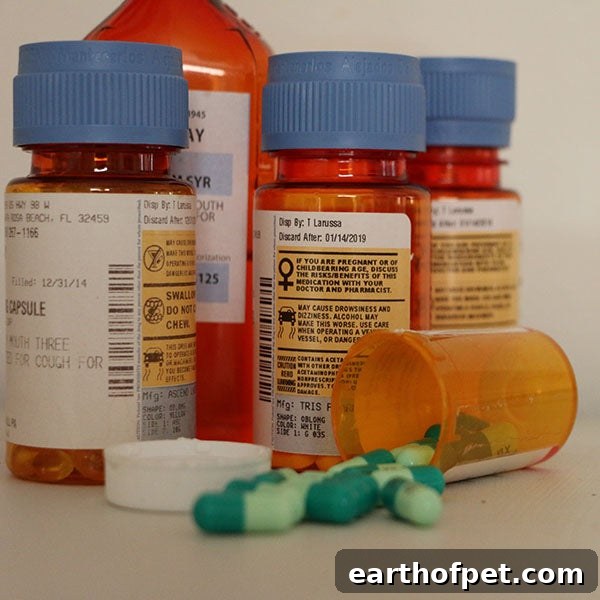
Recognizing Poisoning in Pets
Signs that a pet may have ingested a toxic substance include vomiting, diarrhea, seizures, blood in stools, weakness or lethargy, loss of appetite, irregular heartbeat, nosebleeds, difficulty breathing, or inability to urinate or defecate. Many of these symptoms can appear quickly or be delayed, so do not wait for symptoms to start before seeking expert advice.
What to Do If You Suspect Poisoning
If you think your pet has eaten something poisonous, call a poison control center or your veterinarian immediately. Be prepared to provide: what your pet ate, how long ago the exposure occurred, how much was consumed, the pet’s species, age, weight, and any symptoms. If possible and safe, bring the packaging or a sample of the substance with you to the veterinary clinic.
Emergency Numbers:
ASPCA Animal Poison Control Center hotline: 888-426-4435
Pet Poison Helpline: 800-213-6680 or 855-764-7661 (a consultation fee may apply)
Do not attempt to treat your pet at home without professional guidance. Avoid home remedies such as giving milk, salt, oils, or other remedies, and do not induce vomiting with hydrogen peroxide or other substances unless a poison control specialist or your veterinarian specifically instructs you to do so. Well-intentioned actions without professional oversight can make the situation worse.
Prevention Tips
- Store medications, chemicals, and toxic foods out of reach and in locked cabinets.
- Secure trash cans and compost to prevent scavenging.
- Supervise pets around houseplants and remove or place dangerous plants where pets can’t reach them.
- Follow label directions and keep outdoor treatments such as fertilizers and rodenticides inaccessible to animals.
- Maintain a balanced, satisfying diet and regular feeding schedule so pets are less likely to sample unsafe items out of hunger.
- Keep emergency numbers handy and post this guide where everyone in the household can see it.
Being aware of common household dangers and taking proactive steps to secure hazardous items can greatly reduce the risk of accidental poisoning. If you ever suspect exposure, contact a poison control expert or veterinarian immediately for the best outcome.