Wellness Exams For Cats
Scheduling a regular wellness exam is one of the most important things a cat owner can do to protect a cat’s long-term health. A routine exam helps your veterinarian detect early signs of illness, recommend appropriate preventive care, and keep vaccinations and treatments up to date. Most veterinarians recommend at least one wellness visit per year, and more frequent visits for kittens, senior cats, or animals with chronic conditions.
Many cat owners wonder how much a wellness exam will cost. Prices vary by clinic, location, and which services your cat needs. As a general guideline, a basic physical exam often falls in the $45–$55 range. Additional diagnostics and services—such as lab tests, vaccinations, or parasite screening—can increase the total cost, typically ranging from about $25 up to several hundred dollars depending on what is required. The final bill depends on your cat’s age, health status, and the specific recommendations from the veterinarian.
This article explains what to expect during a cat wellness exam, which services are commonly offered, and where to go to get high-quality preventive care for your cat.
What Is Included in a Wellness Exam for a Cat?
The content and cost of a wellness exam depend on your cat’s individual needs. Common components of a routine visit include:
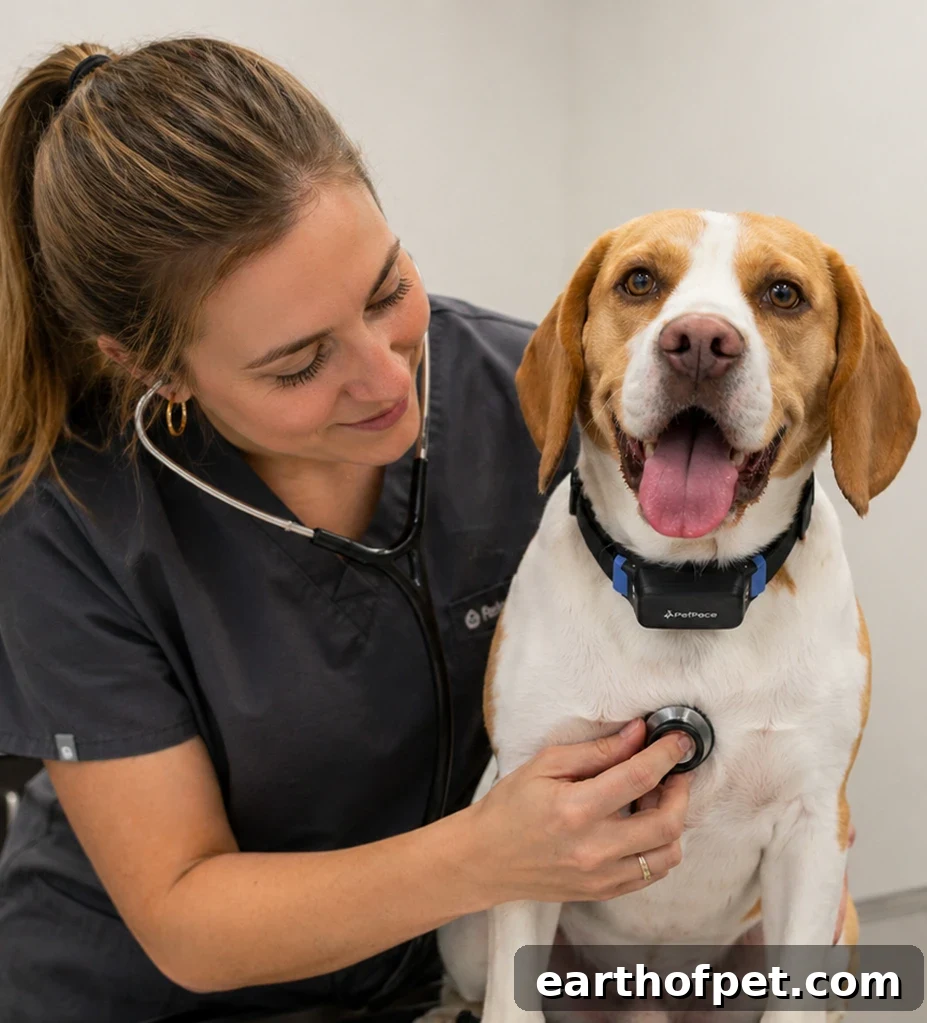
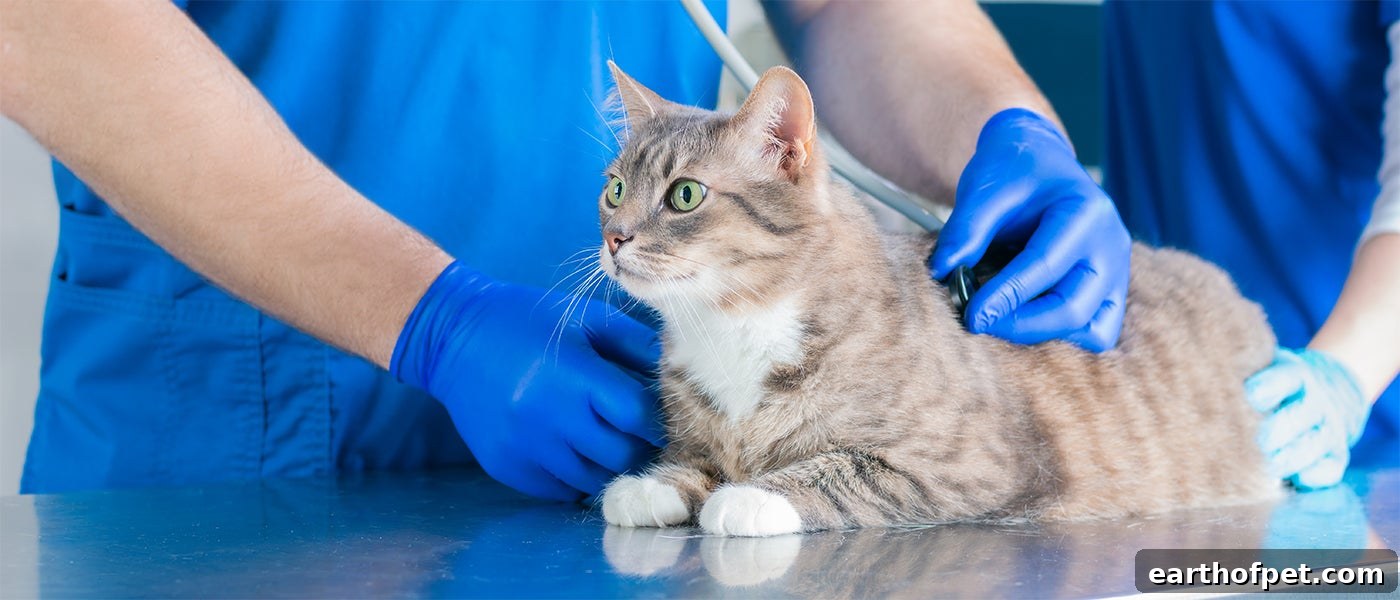
- Physical exam: The veterinarian will perform a comprehensive physical check to assess your cat’s overall condition. This typically includes weighing your cat, feeling the body for lumps or abnormalities, examining the eyes, ears, mouth, teeth, skin, and coat, palpating the abdomen, and using a stethoscope to listen to the heart and lungs. The vet will also observe your cat’s behavior and mobility.
- Fecal exam: Many vets recommend analyzing a stool sample to check for intestinal parasites, which can be common even in indoor cats. Bringing a fresh stool sample from home can speed diagnosis.
- Blood panel and urinalysis: Annual or periodic bloodwork and urinalysis help evaluate organ function, screen for infections, check for metabolic diseases like diabetes or kidney disease, and provide a baseline for future comparisons. Older cats or those with health concerns often require more frequent or extensive testing.
- Heartworm and parasite testing: If your cat may have been exposed to mosquitoes or other vectors, or if it has not been on consistent prevention, the vet may recommend heartworm or other parasite testing.
- Vaccinations: Core vaccines—such as rabies and those protecting against common feline viral diseases—are commonly given during wellness visits when appropriate. Your veterinarian will advise which vaccines are needed based on your cat’s lifestyle, age, and health.
- Nutrition and lifestyle counseling: The vet will ask about your cat’s diet, activity levels, litter box habits, and any behavioral or health concerns. They can recommend suitable diets, weight management plans, dental care strategies, and supplements when appropriate. If your cat struggles with hairballs or other digestive issues, the vet can suggest dietary adjustments or products designed to help.
- Dental check and preventive care: Visual dental assessment is often part of the exam. The veterinarian may recommend dental cleaning, at-home dental care, or additional diagnostics if oral disease is suspected.
Because older cats commonly develop age-related conditions, wellness exams for senior cats often include more extensive screening to detect disease earlier when treatment can be most effective.
Where Should I Go To Get a Cat Wellness Exam?
You have several options for where to schedule a wellness exam: independent veterinary clinics, animal hospitals, specialty feline practices, or clinics attached to larger pet-care facilities. The best choice is a clinic that offers a broad range of services so you can receive consistent care in one location.
When choosing a veterinary practice, consider the following:
- Look for veterinarians experienced with feline care—some clinics specialize or have staff trained specifically for cats.
- Read reviews and ask friends or local rescue organizations for recommendations.
- Call ahead to inquire about services offered, pricing estimates, appointment availability, and whether they accept pet insurance or offer payment options.
- Ask about the clinic’s approach to reducing stress for cats during visits—some practices provide cat-friendly handling, separate waiting areas, or appointment times that minimize contact with dogs.
Establishing a long-term relationship with a veterinarian benefits both you and your cat. Familiarity with your cat’s medical history helps the vet make better-informed decisions, and cats typically become less anxious with repeat visits to a trusted clinic.
Contributing to Your Cat’s Healthy Tomorrow
Regular wellness exams are a cornerstone of preventive care and can make a real difference in your cat’s quality of life. Prior to an appointment, prepare any questions about behavior, diet, or medications, and bring a list of current symptoms or changes you’ve noticed. If possible, bring a fresh stool sample and a record of previous vaccinations and medical history.
During the visit, don’t hesitate to ask about nutrition, dental care, and strategies to reduce stress at home and during veterinary visits. Working closely with your veterinarian and following recommended preventive measures—vaccinations, parasite control, proper nutrition, and routine screening—will help keep your cat healthy and comfortable for years to come.