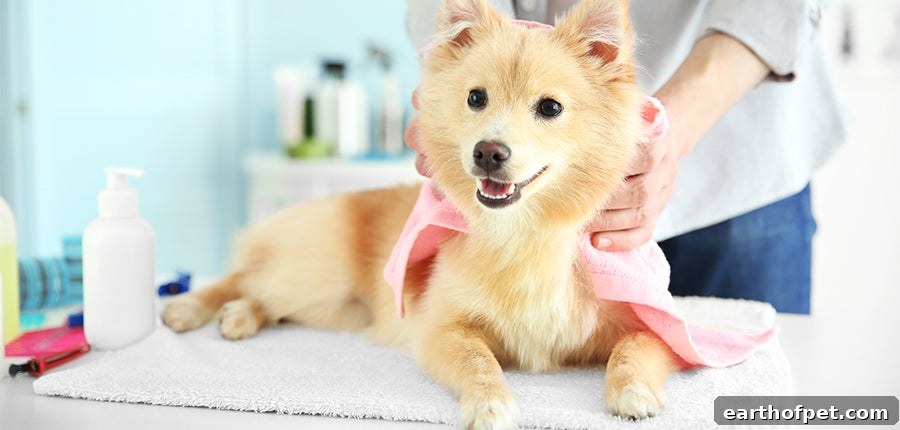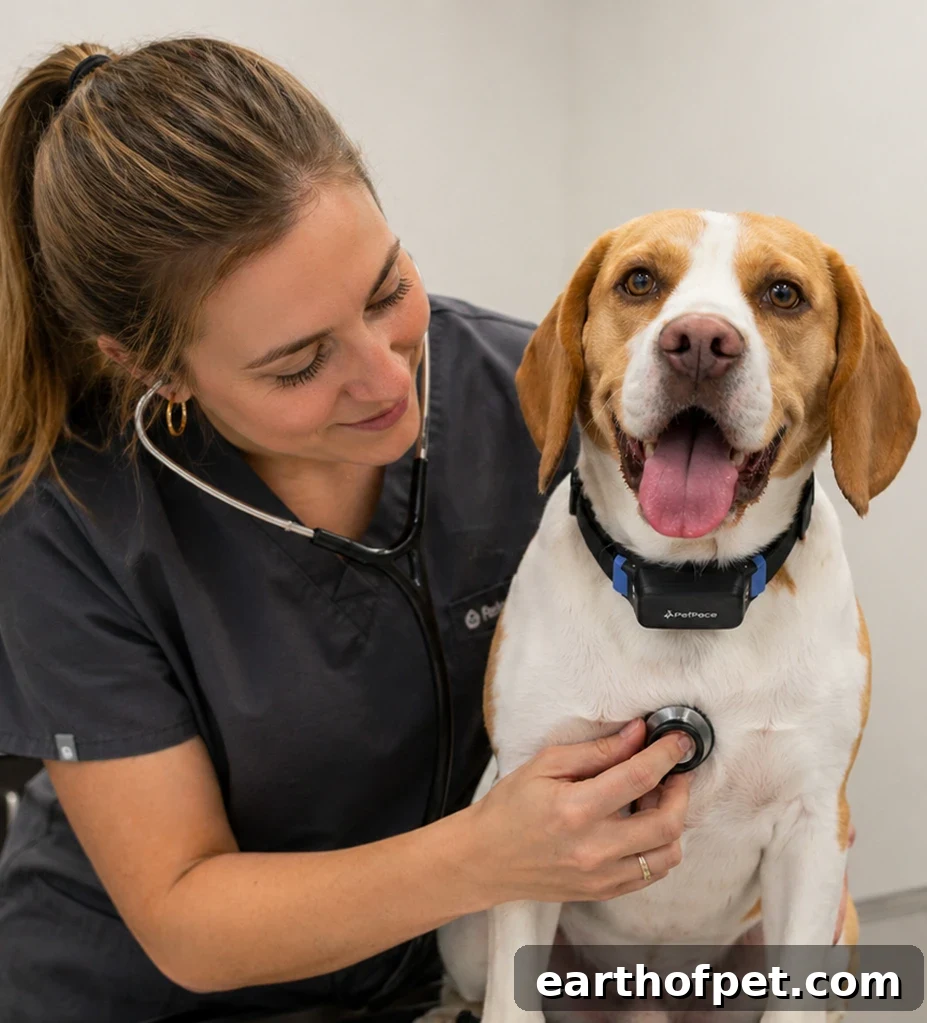
Cats and dogs are especially vulnerable to dental disease because they rarely get their teeth cleaned as often as humans do. Dental check-ups should be included in your pet’s routine health care, and brushing at home is one of the most effective ways to maintain good oral hygiene for dogs and cats. Regular brushing helps reduce plaque and tartar build-up, lowers the risk of gum disease, and supports your pet’s overall health.
Why Pet Dental Care Matters
Oral health affects more than just your pet’s mouth. Left unchecked, plaque and tartar can lead to gingivitis and periodontal disease. In some cases, severe dental issues can contribute to discomfort, difficulty eating, or infections that may affect other organs. A veterinarian can assess the condition of your pet’s teeth and recommend professional dental cleaning when necessary, but at-home brushing is an important, preventive step you can take daily or several times a week.
Essential Tools for Brushing Your Pet’s Teeth
- Pet toothbrush: Choose a toothbrush designed for pets: smaller heads, softer bristles, and sometimes a fingertip or dual-ended design to make brushing easier. For tiny mouths or sensitive animals, a finger brush or even a soft cloth can work well.
- Pet toothpaste: Always use toothpaste formulated for cats and dogs. Human toothpaste contains ingredients that can harm pets and is not meant to be swallowed. Pet toothpaste comes in flavors like poultry or beef to make the experience more appealing.
- Patience and calm: Introducing brushing gradually and staying calm and patient are crucial. Some pets accept brushing quickly; others take time to become comfortable with having their mouth handled.
Step-by-Step Guide to Brushing Your Pet’s Teeth
Start slow and build positive associations so brushing becomes a routine your pet tolerates—or even enjoys.
- Begin with acclimation: Spend a few minutes each day gently touching your pet’s muzzle, lips, and teeth with your fingers. Reward calm behavior with gentle praise or a small treat suited to your pet’s diet.
- Add toothpaste: Let your pet taste a small amount of pet toothpaste on your finger. Many pets will be attracted to the flavor, which makes future brushing easier.
- Introduce the brush: Once your pet accepts the toothpaste, place the toothbrush in the mouth and make small, gentle circular motions along the outer surfaces of the teeth. Focus mainly on the outside surfaces where plaque accumulates most; most dogs and cats do not tolerate deep brushing inside the mouth initially.
- Short, frequent sessions: Early sessions may only clean one or two teeth. That’s fine—consistency matters more than duration. A few seconds of brushing each day can help the toothpaste coat teeth and reduce plaque formation.
- Be patient and persistent: If your pet resists, stop and try again later. Gradual progress over days or weeks usually leads to success.
How Often to Brush and What to Watch For
Veterinarians generally recommend daily brushing when possible, but several times a week can still provide meaningful oral health benefits. Along with routine brushing, watch for common signs of dental problems: persistent bad breath, yellow or brown tartar buildup, red or swollen gums, drooling, reluctance to chew, or changes in eating habits. If you notice any of these signs, schedule a veterinary exam to determine whether professional cleaning or treatment is needed.
Additional Tips for Healthy Teeth
- Use dental chews, toys, or food formulated for dental health as adjuncts—not replacements—for brushing.
- Consider professional cleanings as recommended by your veterinarian for plaque and tartar that can’t be removed at home.
- Keep records of your pet’s dental condition and any changes you observe between veterinary visits.
Taking time to care for your pet’s teeth can prevent discomfort and more serious health issues down the road. With the right tools, patience, and consistent effort, brushing becomes a manageable part of your pet’s routine and a meaningful way to support long-term health.
We’d love to hear your experiences: share your pet teeth-brushing stories on our Facebook page!