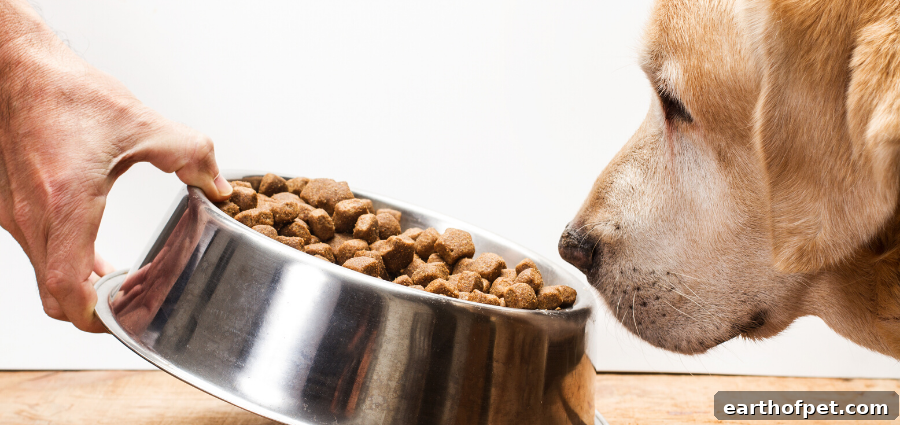
What to Feed a Dog with an Upset Stomach
Diarrhea and vomiting are common in dogs and, in many cases, settle within a couple of days. If your dog has a mild digestive upset—loose stools or brief vomiting but is otherwise bright and behaving normally—you can often manage the situation at home. This guide explains safe, gentle steps to help soothe your dog’s stomach, what to feed them during recovery, and when to contact your veterinarian.
Tips for what to give a dog for an upset stomach and vomiting
1. Start with nothing: 12–24 hour fast
For adult dogs that are otherwise healthy (not very young, very old, or medically compromised), withholding food for 12 to 24 hours can help the digestive tract rest and recover. Continue to offer fresh water during a fast. If vomiting persists, or if your dog is dehydrated, lethargic, or shows blood or mucus in the stool, contact your veterinarian right away.
2. Introduce a bland diet
After the fast, if your dog is keeping down clear fluids, slowly introduce a bland home-cooked diet. A commonly recommended blend is about 75% plain boiled white rice mixed with 25% cooked white chicken (skinless, boneless) or extra-lean ground beef. This simple, low-fat combination is easy to digest and often sits well on an upset stomach. Do not add oils, butter, spices, onion, garlic, or other seasonings.
3. Offer small, frequent meals
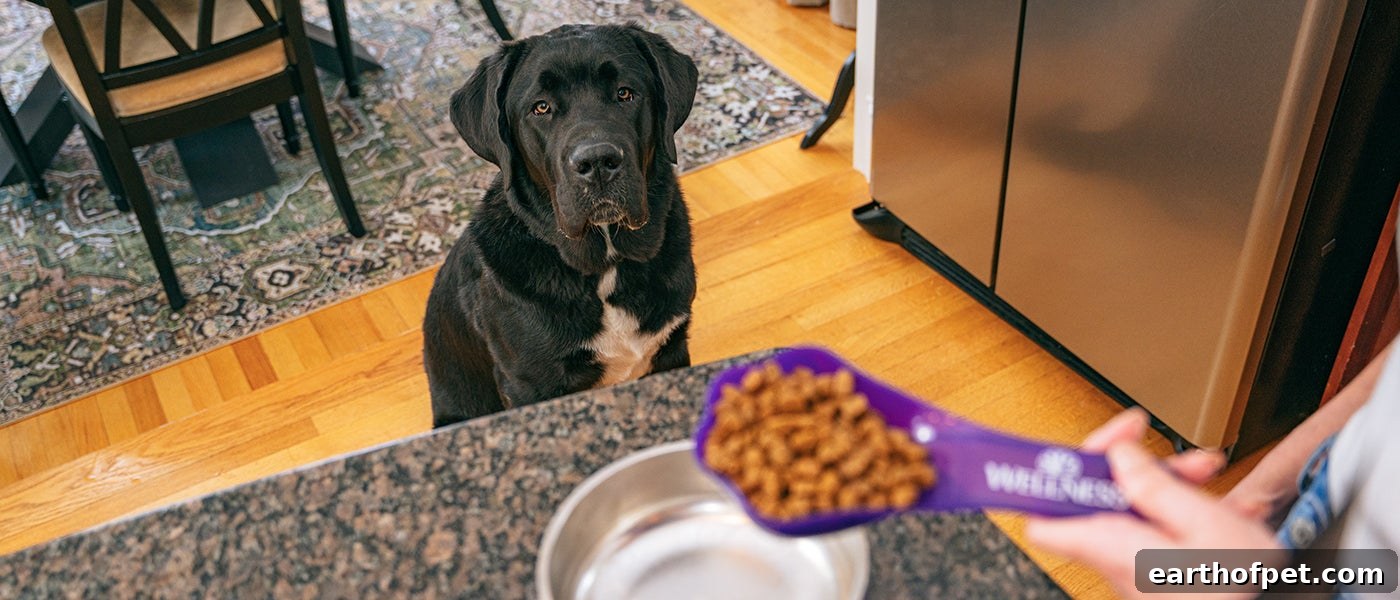
Begin with a teaspoon or tablespoon depending on your dog’s size. If your dog tolerates that amount, increase slowly to 1/2 to 1 cup every three to four hours, adjusting portion sizes for breed and body weight. Smaller, more frequent meals are gentler on the gut and help prevent overwhelming the digestive system.
4. Support the gut with prebiotics and probiotics
Prebiotics and probiotics can support the balance of beneficial gut bacteria and help the digestive system recover. Many veterinarians recommend probiotic supplements formulated for dogs, or diets that include guaranteed levels of probiotics and prebiotic fibers to encourage a healthy microbiome. Check with your veterinarian before starting any supplement to confirm the right product and dose for your pet.
5. Gradually reintroduce normal food
Once your dog is passing firm stools and acting like their usual self, start mixing their regular food back in with the bland diet over several days. Slowly increase the proportion of their normal food until they are eating their usual diet entirely. A gradual transition helps avoid a repeat of the upset stomach.
6. Consider a diet formulated for digestive support
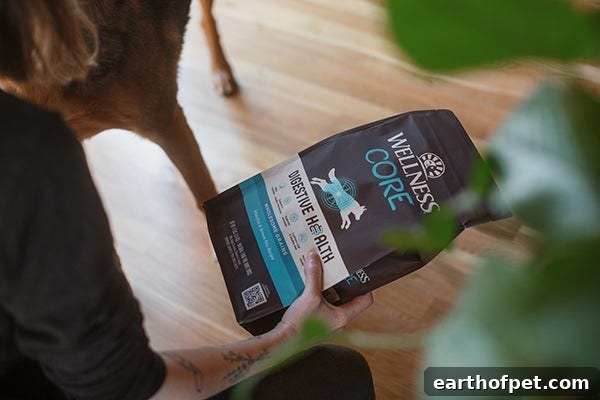
If your dog has recurring digestive upsets or is sensitive to dietary changes, you might consider transitioning to a commercial diet designed to support digestive health. These recipes are often formulated to be highly digestible and may include added probiotics, digestive enzymes, and prebiotic fibers. Discuss options with your veterinarian to choose a diet appropriate for your dog’s specific needs.
Other helpful tips for dogs with upset stomachs
7. Keep water available and monitor hydration
Diarrhea and vomiting increase the risk of dehydration. Ensure fresh water is always available and encourage your dog to drink small amounts frequently. Signs of dehydration include dry gums, reduced skin elasticity, lethargy, and sunken eyes. If your dog refuses to drink or shows signs of dehydration, contact your veterinarian.
8. Plenty of rest
Rest is important while your dog recovers. Avoid vigorous exercise, long walks, or intense play until your dog has returned to normal energy levels and has consistent, normal stools. If your dog seems unusually weak or extremely lethargic, seek veterinary advice promptly.
When to contact your veterinarian
Contact your veterinarian if symptoms worsen or do not improve within 24–48 hours, if vomiting continues, if there is blood or mucus in the stool, if your dog becomes very weak, or if you have any concerns about dehydration or sudden behavioral changes. Your veterinarian can diagnose underlying causes, recommend treatments, and advise on appropriate nutrition to support recovery.
With careful monitoring, appropriate feeding, and veterinary guidance when needed, most mild digestive upsets resolve quickly and your dog should return to normal within a few days.