Mealtime for your cat can be simple—offer food and your cat eats right away—or it can be more complicated, especially in homes with multiple cats. When several pets share a space, eating routines and behaviors often require careful management to keep mealtimes calm and stress-free. Understanding your cat’s body language around food helps you respond appropriately and create a secure feeding environment.
Below are common cat mealtime behaviors, what they typically mean, and practical steps you can take to improve your cat’s comfort and well-being during meals.
Sitting by an Empty Food Bowl
Cats thrive on routine, and many learn their feeding schedule quickly. Even when you feed on time every day, your cat may wait by an empty bowl because she’s anticipating her meal. Rescued cats or those who once had to scavenge may retain anxiety about food availability and remain close to feeding areas. Cats on weight-reduction plans can also linger by bowls in expectation.
Unless you free-feed with dry food, pick up food bowls between meals and always provide fresh water. To avoid reinforcing persistent meowing, don’t give in by feeding early to quiet your cat—this teaches her that vocalizing changes your schedule. Instead, increase environmental enrichment so mealtime isn’t the only thing she focuses on.
Offer interactive play sessions at least twice daily and leave safe, engaging toys accessible. Add features such as cat trees, window perches, and shelves where your cat can explore and relax. If she still waits at the feeding station, ignore the behavior until the scheduled mealtime, and confirm your feeding schedule matches her age, health, and activity level. If you’re worried about underfeeding, consult your veterinarian. Puzzle feeders—homemade or commercial—can also reduce food anxiety and provide mental stimulation, especially for cats on a diet.
Rubbing Against Your Legs When You Go to the Kitchen
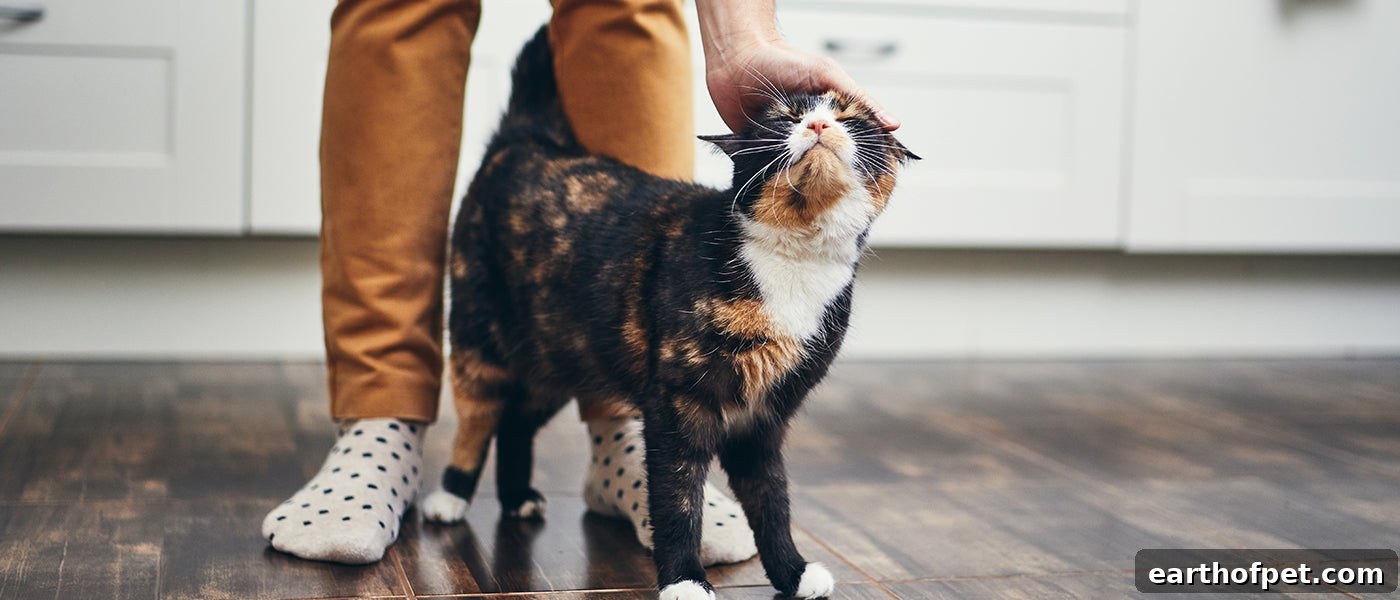
Flank rubbing is a social and affiliative behavior. When your cat rubs against you as you head to the kitchen, she’s expressing affection and excitement about the impending meal. This action also marks you with her scent, reinforcing the bond and familiarity within the household.
Only Eating When You Are Present
If your cat won’t eat unless you stay nearby, she may be seeking extra security. This can indicate that mealtimes feel unsafe or that previous interruptions—other pets, people, or pets approaching—have made her cautious. Inspect the feeding environment for disturbances and reduce potential stressors during meals.
Ensure other pets aren’t routinely bothering her while she eats and provide calm, quiet feeding stations. If necessary, feed in separate areas to give her confidence to eat alone.
Paw Scooping Food Out of the Bowl
Some cats scoop food out of the bowl with a paw before eating. This can arise from an uncomfortable bowl shape—deep or narrow bowls can bend sensitive whiskers or obstruct the cat’s view. Switch to a low, wide dish so your cat can eat without whisker stress and can see her surroundings while eating.
Alternatively, paw scooping can be playful: the cat removes a few kibbles to bat around before consuming them. If this is the case and the behavior is safe, it’s usually harmless enrichment.
Trying to “Bury” Food
When a cat sniffs her food and paws at the floor as though burying it, she’s following a natural survival instinct rather than rejecting your food. In the wild, covering food reduces odors that might attract predators. This behavior can indicate she isn’t very hungry at that moment or is instinctively minimizing the scent of food.
Looking Around While Eating
Cats that eat cautiously—eating a few bites then scanning the room—may feel uneasy about their environment. This is common in multi-cat homes or busy kitchens where people and pets move around during meal preparation. Limited visibility or proximity to walls can increase anxiety.
Place bowls so your cat can stand with her back to a wall while facing the room, giving her a clear line of sight. In multi-cat households, set up separate feeding stations in different rooms to prevent intimidation and ensure each cat has a safe place to eat.
Resource Guarding or Aggression Around Food
Food is a vital resource and some cats guard it when they feel threatened. Resource guarding can appear as growling, hissing, or staying near the bowl to ward off others. Prevent this by providing multiple, well-spaced feeding stations so no cat feels pressured to defend a single food source. Avoid using one large communal bowl—individual safe meal locations are best.
Puzzle feeders and staggered feeding setups can help show cats food is plentiful and reduce competition. Remember that most cats prefer to eat alone or with space between them, so separate feeding areas often reduce stress and conflicts.
Nosing Into Another Cat’s Bowl
Some cats eat quickly and then move to other bowls to steal food, or they ignore their own food in favor of another cat’s meal. This behavior may stem from insecurity—past scarcity—or from social dominance. Prevent food stealing by feeding cats far enough apart or in different rooms and, if needed, supervise meals until safe routines are established.
Eating Too Fast
Rapid eating can cause vomiting and may signal anxiety about food availability or too-long intervals between meals. First rule out medical issues with your veterinarian. If the cat is healthy, consider multiple small feedings throughout the day to match a cat’s natural eating patterns. Slow-feeder bowls, muffin-tray portions, flattening wet food slightly, or using puzzle feeders can help slow down greedy eaters and reduce regurgitation.
Tilting the Head or Eating on One Side of the Mouth
Tilting the head or favoring one side while eating often indicates dental pain or another medical problem. If you observe this behavior, schedule a veterinary exam promptly to address possible mouth or tooth issues.
Questions About Your Cat’s Behavior Around Food?
Creating calm, predictable mealtimes is essential to your cat’s well-being. If you’re unsure why your cat behaves a certain way around food, start by consulting your veterinarian to rule out medical causes. From there, adjust feeding stations, schedules, and enrichment to match your cat’s needs. Thoughtful changes—appropriate bowl design, separate feeding locations, puzzle feeders, and environmental enrichment—can transform stressful mealtimes into peaceful, enjoyable routines for everyone in the household.