Essential Steps for Breeders and Pet Owners
Dog pregnancy is an exciting and important phase that demands careful planning, attentive care, and practical support. Whether you’re an experienced breeder or a first-time pet owner, preparing for pregnancy, tracking its progress, and providing appropriate postnatal care will help ensure the health and safety of the mother and her puppies. This guide outlines the essential steps to manage a healthy dog pregnancy, from pre-breeding checks to whelping and aftercare, and highlights how pregnancy monitoring tools can support you along the way.
Check Out PetPace’s Pregnancy Health Monitor
Step 1: Pre-Pregnancy Health Check
Before mating, a full veterinary examination is essential to confirm your dog is physically ready for pregnancy. A vet will evaluate her overall condition, weight, dental health, and any underlying medical issues that could complicate gestation. Early screening reduces risks and sets a foundation for a safer pregnancy and delivery.
Key pre-pregnancy care actions:
- Vaccinations: Confirm vaccinations are current to protect the mother and future litter from preventable diseases.
- Parasite Control: Treat and prevent fleas, ticks, and intestinal parasites—these can affect both the dam and her puppies.
- Nutritional Assessment: Ensure your dog is on a balanced, high-quality diet and at an appropriate weight to begin breeding.
Step 2: Tracking the Stages of Pregnancy

Monitoring your dog throughout pregnancy helps detect changes early and ensures timely veterinary care when needed. Signs such as appetite shifts, mild tiredness, and nipple changes can appear early. A veterinarian can confirm pregnancy by ultrasound or blood tests; routine check-ups throughout gestation further protect maternal and fetal health.
Week-by-week guide for tracking pregnancy:
- Weeks 1–3: Hormonal changes occur but physical signs are generally subtle.
- Weeks 4–6: Expect visible weight gain, increased appetite, and a growing abdomen as fetuses develop.
- Weeks 7–9: The final phase—puppies gain size, and the mother begins nesting and preparing for labor.
Step 3: Tailoring Her Diet for Pregnancy
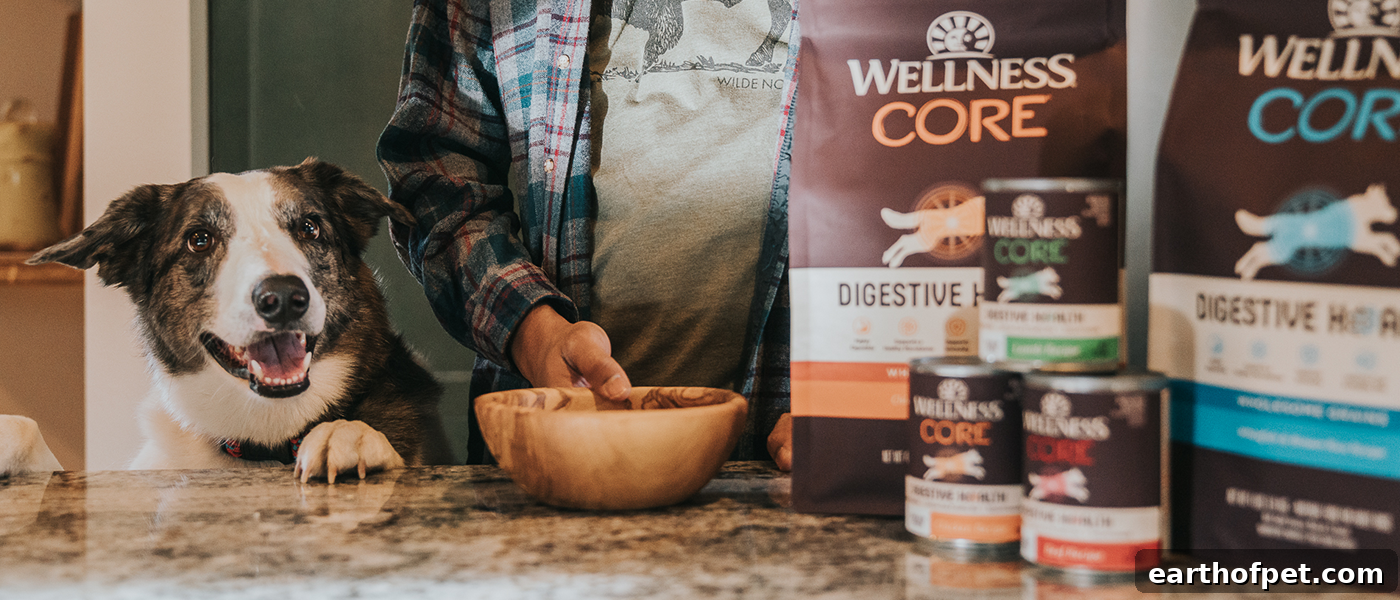
Nutrition plays a central role in supporting gestation and postpartum recovery. Around week four, many veterinarians recommend transitioning to a high-quality food formulated for pregnant and lactating dogs. These diets supply increased calories, protein, and essential nutrients needed for fetal growth and milk production.
Important dietary considerations:
- Balanced Nutrition: Choose a diet higher in protein and appropriate fat levels to meet increased energy demands.
- Gradual Portion Increases: Increase meal size gradually rather than suddenly to avoid digestive upset while meeting rising caloric needs.
- Hydration: Keep fresh water available at all times; lactating dogs require more fluid to produce milk.
Step 4: Preparing for Whelping
Setting up a safe, comfortable whelping area ahead of the due date eases stress and helps the mother focus on delivery. A whelping box placed in a quiet, warm, and secure room gives her privacy and a contained space for the litter.
Signs that labor is approaching include nesting behavior, restlessness, decreased appetite, and nesting in the whelping area. Maintain close communication with your veterinarian so you have clear instructions and know when to seek emergency help.
Whelping box essentials:
- Spacious and Clean: Provide ample room for the mother to stretch and reposition comfortably.
- Supplies on Hand: Prepare clean towels, disposable gloves, disinfectant, a bulb syringe, and blunt scissors for umbilical cords if assistance is necessary.
- Labor Monitoring: Watch for heavy panting, pacing, or visible contractions—these are common signs that birth is imminent.
Step 5: Post-Pregnancy Support
After whelping, attentive postpartum care ensures mother and puppies thrive. The mother needs nutrient-dense food to recover and produce milk, while puppies require warmth, hygiene, and regular monitoring to ensure steady weight gain and normal activity.
Postpartum care essentials:
- Veterinary Follow-Up: Schedule checkups for the dam and her litter to assess health and development.
- Nutrition for Lactation: Provide a high-calorie, high-quality diet to support milk production and maternal recovery.
- Clean Environment: Keep bedding clean and dry to reduce infection risk and support puppy health.
Common Pregnancy Concerns
While many pregnancies proceed normally, being aware of potential issues helps you act quickly if problems arise. Common concerns include mild morning sickness in early gestation, labor difficulties that require veterinary intervention, and eclampsia (low blood calcium) which is an emergency condition. Early detection and prompt veterinary care dramatically improve outcomes.
- Morning Sickness: Temporary vomiting or reduced appetite can occur in early pregnancy; consult your vet if symptoms persist.
- Dystocia (Difficult Labor): Prolonged labor or inability to deliver puppies requires immediate veterinary attention.
- Eclampsia: Watch for weakness, tremors, or collapse in the weeks after whelping—this can indicate low calcium and demands urgent treatment.
Why the PetPace Pregnancy Program Helps
Monitoring tools can simplify pregnancy care by providing continuous, objective health data. The PetPace Pregnancy Program uses AI-driven monitoring to learn your dog’s normal patterns, track vital signs, and deliver alerts for worrying changes. Continuous monitoring supports early detection of abnormalities and provides peace of mind from conception through whelping.
Program benefits include:
- Baseline Health Learning: The system learns your dog’s normal vitals and activity to identify deviations early.
- Continuous Tracking: Ongoing monitoring throughout pregnancy helps ensure steady progression and flags potential problems.
- Whelping Alerts: Timely notifications can indicate when labor is starting so you’re prepared for the birthing process.
With options available for different budgets, monitoring solutions can be a valuable addition to routine veterinary care for breeders and pet owners alike.
Conclusion
Managing dog pregnancy requires preparation, attentive monitoring, and coordinated veterinary care. By completing pre-pregnancy checks, tracking gestational stages, adjusting nutrition, preparing a whelping area, and providing comprehensive postpartum support, you’ll give the mother and her puppies the best chance for a healthy outcome. Combining hands-on care with reliable monitoring tools can make pregnancy management safer and less stressful for everyone involved.