If you follow health or wellbeing news, you’ve likely heard terms such as “probiotics” or “kombucha,” and maybe even bacterial names like bifidobacteria and lactobacillus. Messages about gut health appear everywhere in popular media and scientific discussions. For our pets, maintaining a healthy gut is a major factor in overall wellbeing, yet understanding the role and importance of the bacteria that inhabit a dog’s or cat’s digestive tract can be confusing. This article offers a clear, back-to-basics introduction to the gut microbiome and explains why these microorganisms matter when choosing food for your pet.
What Is the Gut Microbiome?
The gut microbiome refers to the trillions of microorganisms—mainly bacteria—and their genes that live in a dog’s or cat’s intestinal tract. These microbes help break down food, enable absorption of nutrients, and even synthesize certain vitamins and compounds. In short, the microbiome plays a central role in digestion and nutrition.
Beyond digestion, the gut microbiome influences many other systems in the body, including:
- Metabolism and how the body processes energy
- Body weight regulation
- Immune system balance and response
- Some aspects of brain function, behavior and mood
Many factors shape the specific mix of bacteria each pet carries. While there are common patterns among animals, every pet develops a unique microbial profile that affects health and resilience.
How Does the Gut Microbiome Develop?
A pet’s microbiome begins with genetic influences at birth, but it is rapidly shaped by interactions with the environment and diet. The following influences can alter the microbiome positively or negatively:
- Diet and the quality of food
- Living environment and exposure to other animals or humans
- Lifestyle factors such as activity level and stress
- Medications, particularly antibiotics, which can deplete beneficial bacteria
Because every animal’s microbial community is individual, maintaining a balanced microbiome is an ongoing part of supporting your pet’s long-term health.
Create the right conditions and feed the microbes well so they can support your pet’s health.
What Defines a Healthy Gut?
A healthy gut is one in which the microbiome is balanced and diverse, allowing the digestive system to perform its many roles efficiently. Once viewed as a simple tube for processing food, the gastrointestinal tract is now understood to be a complex ecosystem where microbes and host tissues interact continuously. A balanced microbiome helps with nutrient absorption, protects the intestinal barrier, limits harmful microbes, and communicates with the immune and nervous systems.
Supporting gut health means feeding and caring for this microbial community: providing nutrients that favor beneficial bacteria, reducing unnecessary stressors, and minimizing factors that disrupt balance. Optimizing this ecosystem contributes to better digestion, sustained energy, a resilient immune system, and improved overall wellbeing for pets.
What Is Dysbiosis?
Dysbiosis describes an imbalance or disruption of the gut microbiome. It can arise from various causes, such as:
- Stress or significant changes in routine
- Acute or chronic illness
- Obesity or metabolic disorders
- Surgical procedures or other medical interventions
- Overuse of antibiotics
- Poor-quality or inappropriate diets
Diet is one of the most powerful, modifiable factors shaping microbial composition. When dysbiosis occurs, the gut’s barrier function can weaken, allowing particles—such as bacteria or food fragments—to pass into the bloodstream and trigger immune reactions. Ongoing immune activation and inflammation can increase the risk of various diseases and negatively affect both physical and mental wellbeing.
What Can You Do for Your Pet?
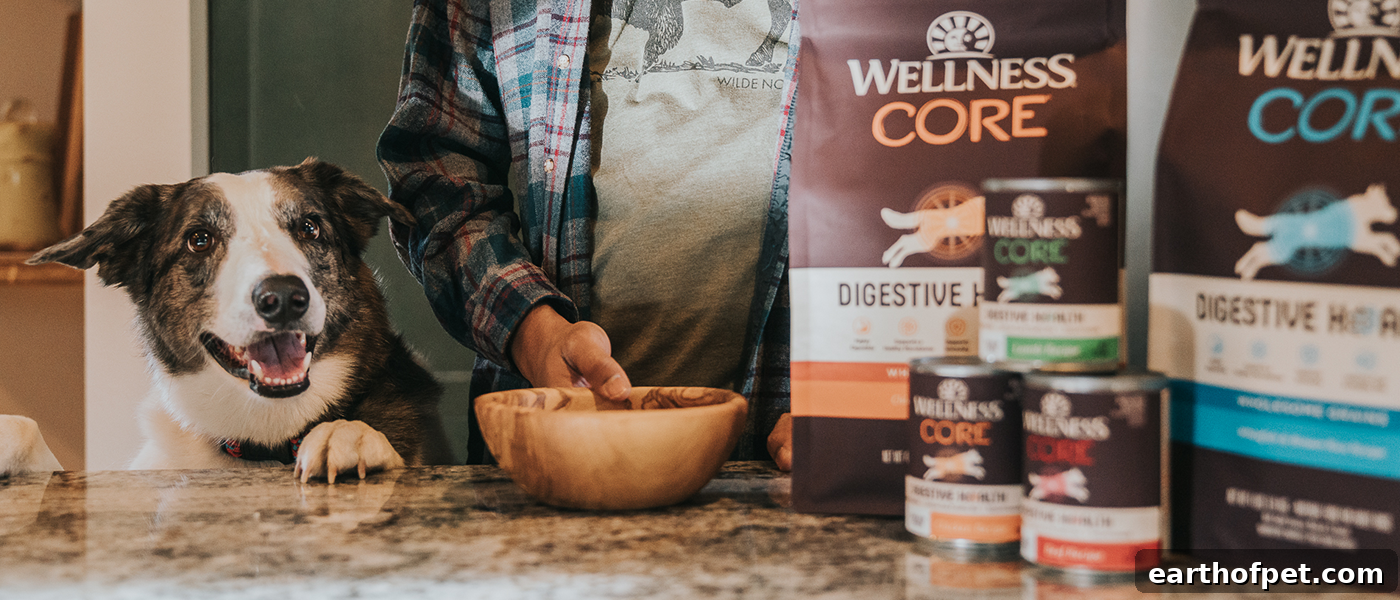
The good news is that there are practical steps you can take to support a healthy, balanced microbiome in your dog or cat. Diet is among the most effective tools: choosing high-quality, digestible food with components that nurture beneficial bacteria helps maintain gut balance. Nutrients and ingredients that support digestive health include probiotics (live beneficial microbes), prebiotic fibers (food for those microbes), and digestive enzymes that aid nutrient breakdown.
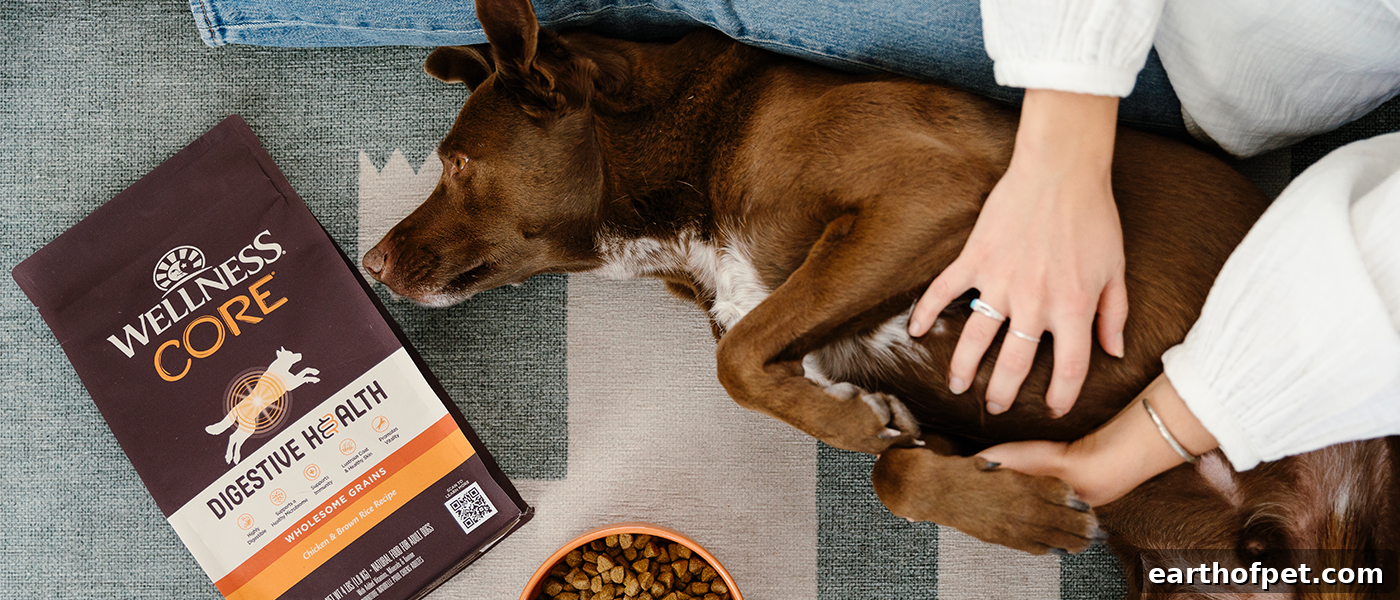
When evaluating pet foods, consider options formulated to support digestive health—those that combine highly digestible ingredients, targeted fibers, and guaranteed probiotic levels. These elements work together to promote healthy digestion, support the intestinal barrier, and encourage a diverse microbiome that contributes to long-term wellbeing.
In addition to diet, consult your veterinarian about minimizing unnecessary antibiotic use, managing stress, and addressing underlying health issues that could affect the microbiome. With thoughtful care—balanced nutrition, appropriate medical attention, and a stable environment—you can help your pet maintain a resilient gut microbiome and enjoy a healthier life.