What Are Probiotics For Cats & What Are The Benefits?
A cat’s body hosts trillions of live microorganisms, most of which live in the digestive tract. Together these microbes form the gut microbiome, a dynamic community that varies from cat to cat and changes with diet, age, stress, illness and environment. A balanced microbiome supports digestion, nutrient absorption and general wellbeing.
When a cat experiences stress, illness, or a course of antibiotics, the balance of microbes can shift toward an overgrowth of harmful bacteria. That imbalance can lead to digestive symptoms such as reduced appetite, vomiting, diarrhea, loose stools, or other changes in bowel habits. Conversely, a healthy population of beneficial bacteria helps limit the growth of pathogens, supports digestion, and helps maintain mucosal barrier function and the overall stability of the gut ecosystem.
Probiotics are preparations that add beneficial bacteria to the gastrointestinal tract. Administered as supplements or incorporated into food, probiotics aim to help repopulate and rebalance the gut microbiome. When chosen and used appropriately, they can support digestive comfort, help normalize stool consistency, and contribute to the maintenance of a resilient gut environment that supports general health.
70% of a cat’s immune system resides in their digestive tract, keeping it balanced with an array of good bacteria is a great way to ensure that your feline stays healthy.
What Are The Best Probiotics For Cats?
Probiotic products for cats are available in powders, capsules, chews, liquid drops and even incorporated onto dry kibble. When choosing a probiotic, consider several factors: variety of strains, colony forming units (CFU), product form that your cat will accept, manufacturing quality, and storage instructions that preserve viability.
A product that lists multiple well-studied genera such as Lactobacillus, Bifidobacterium and Enterococcus is often more useful than a single-strain product because different strains act in different regions of the gut and can provide complementary benefits. Look for a clear CFU number at the time of manufacture and, ideally, a guarantee of viable counts through the product’s shelf life. Higher CFU counts are not always better if the strains are poor quality or unstable; quality and diversity matter most.
How Do I Incorporate Probiotics Into My Cat’s Diet?
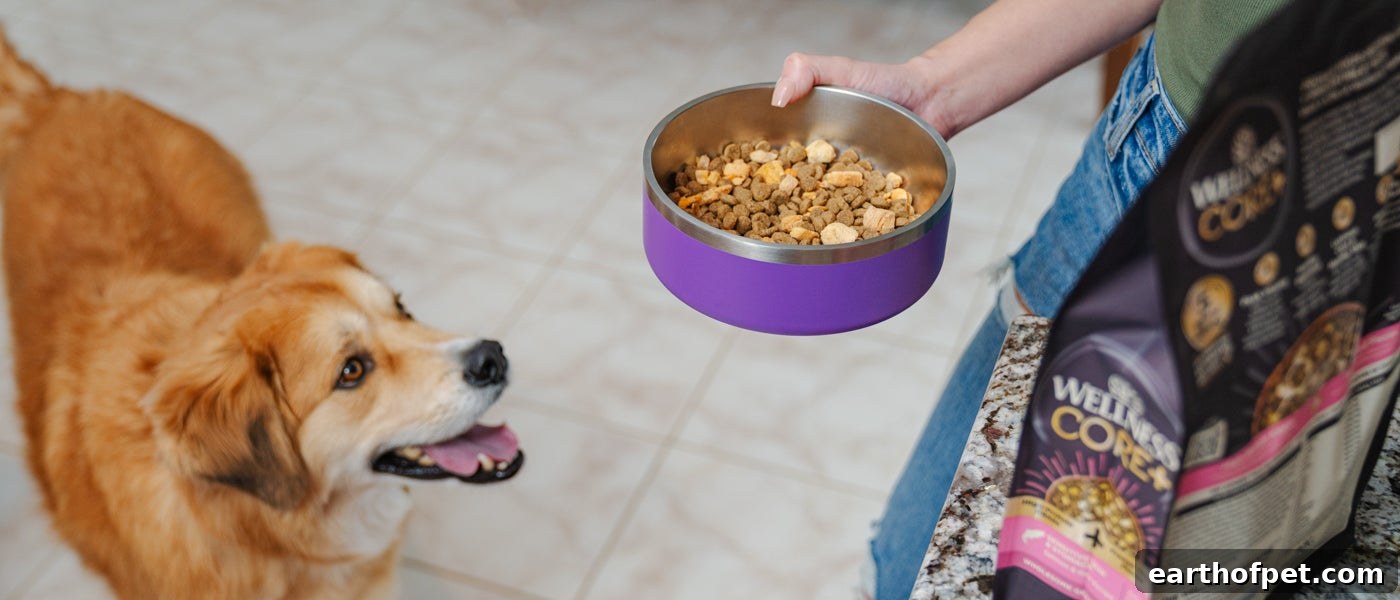
For many owners, daily administration is the most practical approach to support digestive health. If your cat resists capsules or powdered supplements, choosing a reputable dry food that guarantees probiotic inclusion in its guaranteed analysis can be the simplest solution. Probiotics applied to kibble are typically added after cooking, once the pieces have cooled, to help preserve the viability of the organisms.
When evaluating commercial foods or supplements, check the product label and the guaranteed analysis for clearly listed probiotic strains and counts. This information helps ensure the product actually contains viable bacteria in amounts likely to provide benefit. If the label fails to list strains or CFU, there is no assurance of an effective dose.
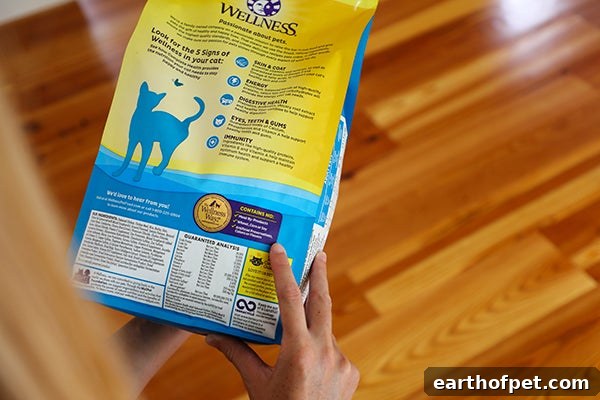
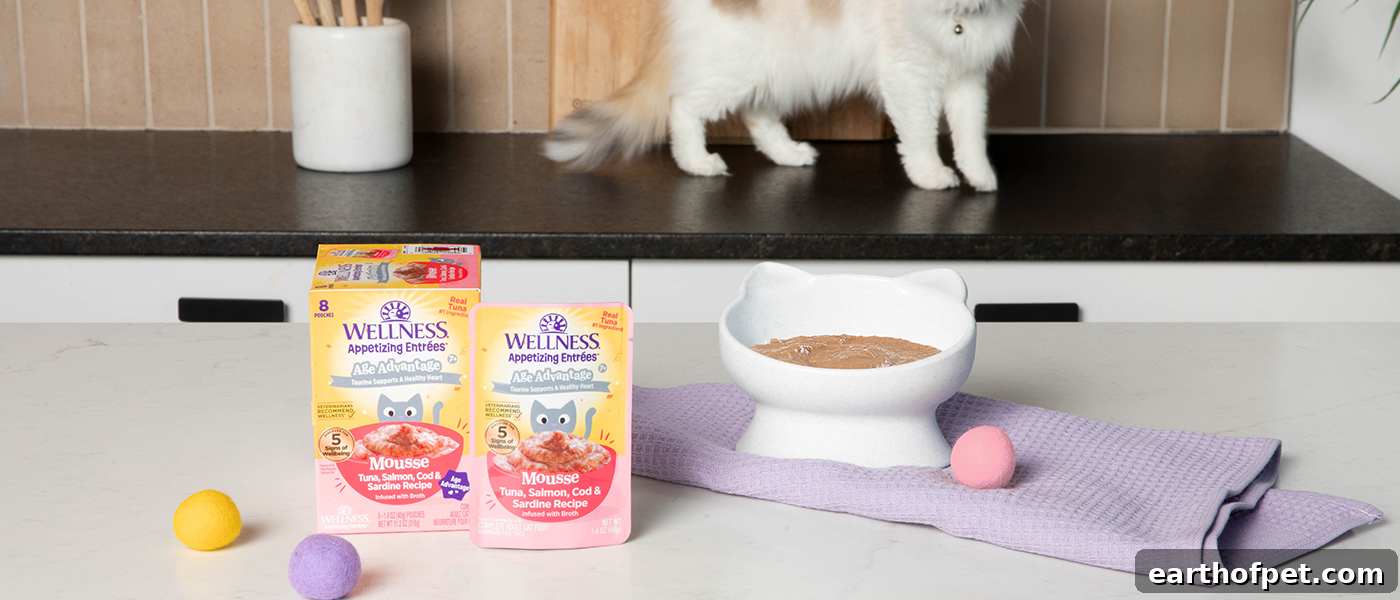
Other convenient options include probiotic powders that mix with food, paste or gel preparations, and treats formulated with live cultures. When giving a supplement, follow the manufacturer’s instructions for dose and storage. Some probiotic products require refrigeration to maintain viability, while others are shelf-stable.
Do Cats Need Probiotics Every Day?
Daily use of probiotics can be beneficial for maintaining a balanced gut microbiome, especially in cats with sensitive digestion, frequent stressors (travel, boarding, new pets), or those that have recently completed antibiotic therapy. For generally healthy cats, regular inclusion of dietary fiber, prebiotic ingredients and occasional probiotic support can help sustain digestive balance. Choosing a high-quality product or food you can reliably provide every day improves the chances of maintaining consistent benefits.
Introduce probiotics gradually and monitor your cat for changes in appetite, stool quality and energy. Positive responses often include firmer stools, more regular bowel movements, and fewer digestive upsets. If your cat has chronic gastrointestinal signs, significant weight loss, persistent vomiting or other concerning symptoms, consult your veterinarian before starting any supplement—your veterinarian can recommend an appropriate product and regimen based on your cat’s health history.
In summary, probiotics can be a useful tool to support feline digestive health when chosen with attention to strain diversity, viable counts, and product quality. Selecting a form that fits your cat’s preferences and following label guidance or veterinary advice will increase the likelihood of a smooth, effective addition to their daily care.