Mick Szydlowski is an author, marketing consultant and animal welfare advocate living in Seattle, Washington, with his wife, two young daughters and their “big brother,” Klaus the cat. Although Oskar is no longer with us, Mick is patiently awaiting the arrival of his next special-needs shelter cat, another blind tabby.
What are some common special needs in pets?
Special-needs pets are animals that need specific, ongoing care beyond the routine attention most pets require. These needs can vary widely: partial or total blindness, deafness, limb loss or mobility issues that require carts or slings, neurological disorders, paralysis, behavioral challenges, congenital defects, digestive sensitivities and chronic diseases that affect organs. Age-related conditions also qualify—many pets develop special needs as they reach their senior years. While some conditions demand more time or veterinary care, many special-needs pets live happy, full lives with predictable routines and the right support.
How to care for a pet with special needs
Many potential adopters hesitate at the thought of caring for a special-needs cat or dog, which makes finding permanent homes for these animals a common shelter challenge. It’s important to separate myth from reality: a special-needs diagnosis does not automatically mean poor quality of life or inevitable suffering. With proper veterinary guidance, consistent routines and a compassionate home, most special-needs pets can thrive.
Before adopting, research the specific condition, expected daily care, likely costs and whether your household can make the necessary long-term commitment. Common elements of successful care include:
- Clear, consistent routines for feeding, medication and bathroom breaks to reduce stress and prevent accidents.
- A safe, stable home layout — avoid frequent furniture rearrangements so pets, especially blind ones, can build reliable mental maps.
- Appropriate veterinary checkups and preventive care, including tailored diets, supplements and physical therapy when needed.
- Environmental enrichment and gentle training to keep the animal mentally engaged and physically active within their abilities.
- Open communication with your veterinarian about pain management, mobility aids or specialized equipment when necessary.
These steps don’t always require excessive time or expense, but they do require consistent attention and empathy. The emotional rewards are enormous: special-needs pets offer tremendous affection, loyalty and inspiration to the people who care for them.
Life with Oskar & Klaus
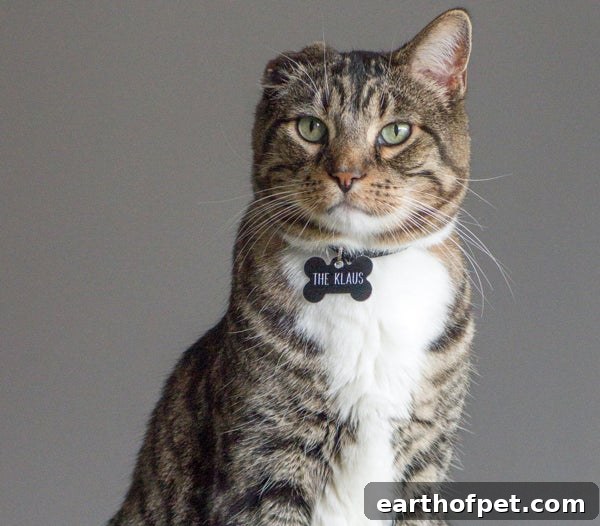
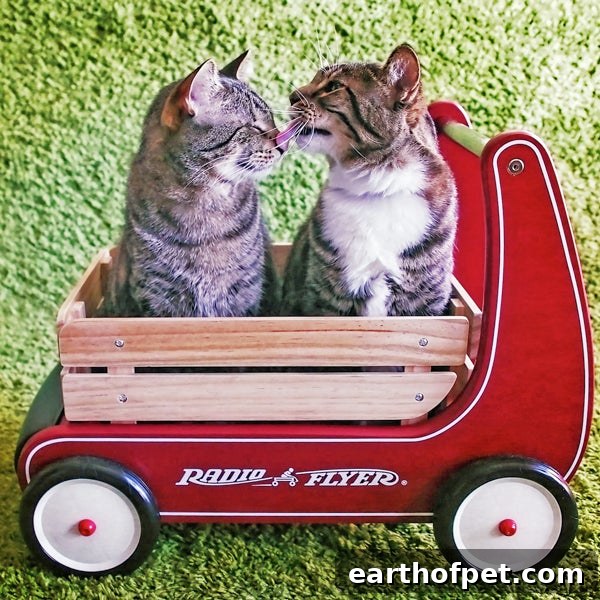
I’ve been fortunate to share my home with two special-needs cats. Klaus arrived from a no-kill shelter in 2006 as an adult with a distinctive look—one collapsed ear, a few missing teeth and battle scars from a hard early life as a stray. Klaus also had chronic digestive issues that took time to diagnose and manage. After experimenting with protein-to-carb ratios, portion sizes, a tailored mix of kibble and wet food, and a daily probiotic, his flare-ups abated. That careful nutrition routine changed our daily life and eliminated the frequent gastrointestinal emergencies that had once dominated our days.
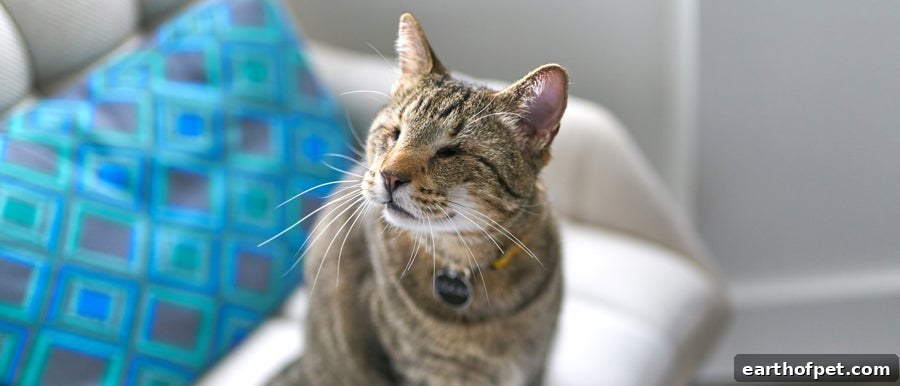
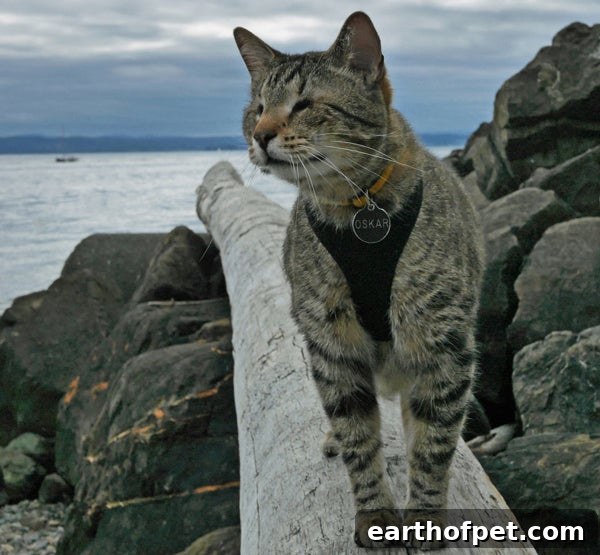
The second cat, Oskar, was a farm kitten I found in 2011. Born with microphthalmia, he was functionally blind and learned the house through sound, smell, touch and a remarkably precise spatial memory. I worried initially that he might injure himself, miss the litter box or be unable to find food, but those fears were unfounded. By keeping the home layout consistent and minimizing clutter, Oskar adapted quickly. He navigated confidently, climbed to high perches and greeted meals like any sighted cat—proof that blindness often does not limit exploration or joy.
Should your next pet be a special-needs animal?
If you are willing to provide the extra care and patience, adopting a special-needs pet can be an incredibly rewarding experience. Start by speaking with your local shelter about animals in foster care or their special-needs listings—many of these pets don’t appear on the shelter floor because they’re in foster homes. Some organizations specialize in long-term care for special-needs animals, and expanding your search can help you find the right match.
When you bring a special-needs pet home, prepare your space, learn the condition’s management needs and plan for regular veterinary follow-up. Share your experience with friends or on social media to inspire others—every positive adoption story helps reduce stigma and encourages more people to consider pets who need a little extra care. The bond you form with a special-needs animal is often profound, and the difference you make in their life cannot be overstated.