When you browse a pet store shelf or shop online, you’ll often see the word “kibble” on dog food packaging. Kibble simply refers to dry dog food: a shelf-stable, nutritionally balanced product formulated to supply the vitamins, minerals, proteins, fats and carbohydrates dogs need. Because a dog’s nutritional needs change with age, size and activity level, choosing the right kibble and feeding it appropriately is important for long-term health. Below is a clear guide to what kibble is made of, how healthy it can be, when to introduce it to puppies, how much to feed, and sensible options for mixing or topping a bowl of dry food.
What Is Kibble Made Of?
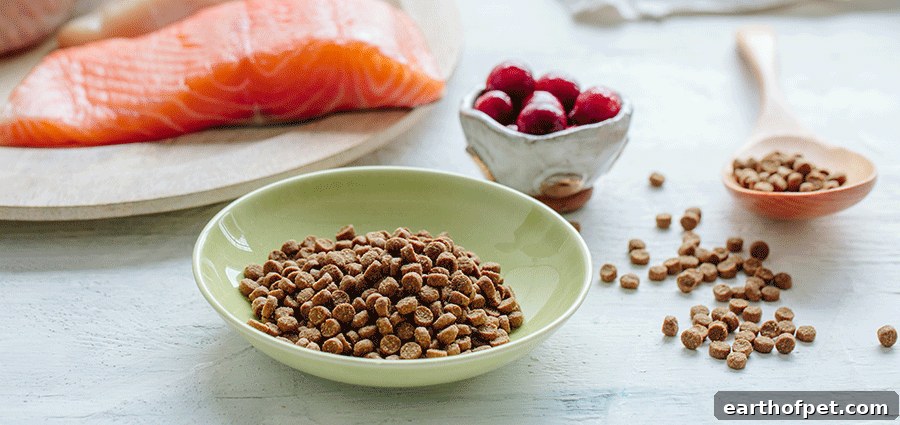
Dry dog food typically combines animal proteins (fresh meat or concentrated meat meals), grains or grain alternatives, vegetables, fruits and targeted nutritional supplements. High-quality kibbles are formulated to be complete and balanced for a specific life stage or breed size and include essential vitamins and minerals. Many premium recipes also include functional ingredients such as probiotics for digestion, omega fatty acids for skin and coat health, and joint-support nutrients like glucosamine and chondroitin for dogs that need them.
Ingredients to look for on labels include named animal proteins (chicken, lamb, beef, fish), recognizable fruits and vegetables, and limited use of fillers. A complete feed will list a guaranteed analysis that shows percentages of crude protein, fat, fiber and moisture, which helps you compare recipes and determine whether a formula meets your dog’s needs.
How Healthy Is Kibble?
Quality kibble can be a healthy foundation for a dog’s diet when the formula matches the animal’s life stage, size and activity level. Top-tier dry foods are nutritionally complete and may add targeted benefits—digestive support, joint-health ingredients, and essential fatty acids—to support overall wellbeing. These additional features can help dogs maintain a healthy coat, steady energy, comfortable digestion, strong teeth and bones, and a robust immune response.
How to spot high-quality kibble:
- High-quality ingredients: Look for named meats, concentrated protein meals and whole fruits and vegetables rather than vague terms like “meat by-products.”
- Guaranteed analysis and nutrient statements: Check the label to confirm levels of protein, fat, fiber and any added functional nutrients (omega-3s, vitamins, probiotics).
- Clear benefits on the label: If you’re not seeking a specialty therapeutic diet, choose a recipe that promotes total body health—skin and coat, digestion, energy, dental and bone health, and immune support.
- Veterinary recommendation: A veterinarian’s endorsement or a formula developed with veterinary nutritionists can offer confidence when selecting a scientifically backed option.
When Can Puppies Eat Dry Kibble?
Puppies begin life on their mother’s milk. Weaning usually starts at around three to four weeks of age when puppies begin nibbling and teething. At first, many breeders and caregivers introduce softened or canned food so pups can learn to eat solid food comfortably. Gradually incorporate dry food by mixing it with wet food or water to soften the pieces. A common approach is to begin with a small proportion of dry food—around 10% dry and 90% wet or softened—and increase the dry portion incrementally over several weeks.
Many puppies can be fully transitioned to dry kibble by seven to eight weeks of age, though some owners continue to mix in wet food for variety or palatability. Always introduce changes gradually and monitor the puppy’s digestion and energy level.
How Much Kibble To Feed Your Puppy
Feeding amounts for puppies depend on factors such as expected adult size, current age, metabolism and activity level. Follow the feeding guidelines printed on your chosen puppy formula as a starting point, and adjust portions based on the puppy’s body condition and growth rate. For example, some feeding charts indicate that a three-month-old puppy weighing around 10 pounds may require approximately one and a half cups of dry food per day; however, recommendations vary by formula and calorie density.
Establish a regular feeding schedule: very young puppies (6–12 weeks) are often fed four times a day. As they grow, reduce feeding frequency and increase portion size—moving to three meals a day, and eventually two meals for most adult dogs. Monitor weight and body condition and consult your veterinarian if you’re unsure whether portions should be increased or decreased.
How Much Kibble To Feed Your Adult Dog
Determining the right daily amount of kibble for an adult dog requires considering:
- Size: Larger breeds require more calories and often different nutrient balances than small breeds. Small-breed formulas typically have smaller kibble pieces and a higher calorie density per cup.
- Age: Adult maintenance, growth (puppy) and senior formulas differ. Senior recipes may include joint-support nutrients and adjusted calorie levels to help aging dogs maintain healthy weight and mobility.
- Activity level: Highly active or working dogs burn more calories and may need higher energy formulas, while less active or indoor dogs benefit from weight-management recipes.
- Food sensitivities: Dogs with allergies or digestive sensitivities may do better on limited-ingredient, grain-free or digestive-support formulas that prioritize easily digested proteins and carbohydrates.
Some dogs thrive on dry food alone, while others enjoy meal toppers or mix-ins for added flavor, texture and nutritional variety. Regardless, choose a complete and balanced diet appropriate to your dog’s life stage and check portion recommendations on the package as a baseline.
What Should You Add To Dog Kibble, If Anything?
Many owners choose to enhance kibble with toppers for specific benefits: more protein, joint support, or added moisture for picky eaters. Useful, safe additions can include:
- Protein toppers: Freeze-dried or lightly cooked meat shreds can boost protein intake and make meals more enticing.
- Joint-support toppers: Supplements or functional toppers containing glucosamine and chondroitin can complement a diet for active or older dogs needing extra joint care.
- Digestive or probiotic toppers: For dogs with sensitive stomachs, targeted digestive support may help maintain stool quality and gut health.
When adding toppers, use them to supplement—not replace—the complete kibble formula unless directed by your veterinarian. Check labels for added sugars, fillers, artificial colors or preservatives and avoid products with unnecessary additives.
What Can You Mix With Dog Kibble?
If you want to add fresh food, many wholesome options complement dry kibble: cooked lean meats (no seasoning), plain cooked vegetables, or carefully prepared wet toppers designed for pets. Commercial toppers and mixers can add flavor and nutrition—examples include shredded protein blends, freeze-dried meat pieces and simple cooked recipes like chicken with butternut squash, beef with carrots, or turkey with sweet potatoes. For puppies, there are gentle toppers formulated specifically for growing needs, such as turkey and rice blends formulated for young dogs.
Choose toppers made from high-quality ingredients without meat by-products, fillers, artificial preservatives, colors or flavors. If you prefer home-prepared additions, consult a veterinarian or veterinary nutritionist to ensure the overall diet remains balanced and appropriate for your dog’s life stage.
Final tips: always transition food gradually, monitor your pet’s weight, coat condition and energy, and consult your veterinarian for personalized feeding recommendations or if you notice any changes in appetite, digestion or behavior. A well-chosen kibble, fed responsibly, can support a happy, healthy life for your dog.