Hippocrates, often called the father of modern medicine, famously observed that “all disease begins in the gut” and urged, “Let food be thy medicine, and let medicine be thy food.” More than two thousand years later, modern research increasingly supports his insight. Scientists are discovering how central the gut—and especially the gut microbiome, the trillions of bacteria, viruses, fungi and other microorganisms that live there—can be to the mental and physical health of people and their pets. For dogs and cats, a balanced digestive system and microbiome are foundational to long-term wellbeing.
What Is Considered Good Gut Health for Dogs & Cats?
A healthy gut is one of the most important factors for overall pet health. The digestive tract is no longer seen as a simple pipe for food: it is a complex system that digests and absorbs nutrients, supports immune function, produces vitamins, and interacts with other body systems. Inside the winding tubes of the gut lives a dynamic ecosystem of microorganisms that work together to support your pet’s health.
Like any ecosystem, the microbiome needs suitable conditions and nutrition to thrive. Feeding and caring for your pet in ways that support a diverse, balanced microbiome helps promote steady digestion, strong immunity, healthy skin and coat, and sustained energy. When the balance of beneficial and harmful microbes is disrupted—often called dysbiosis—pets can develop digestive upset and other health problems.
What Is the Microbiome?
The gut microbiome refers to the community of microorganisms living in the intestinal tract. While some microbes can cause illness, many are essential to digestion and overall health. A pet’s microbiome develops at birth but continues to be shaped by diet, environment, lifestyle, and medications—especially antibiotics, which can reduce beneficial bacteria. Each dog and cat has a unique microbial profile, and maintaining the right balance of organisms is key to optimal health.
The Benefits of a Healthy Digestive System & Microbiome for Pets
Research and veterinary practice increasingly recognize the microbiome as a major factor in a pet’s health. A balanced gut supports many bodily functions, and healthy digestion can deliver a wide range of benefits:
- Optimized digestion and nutrient absorption: Beneficial gut microbes break down fibers and other components of food that pets cannot digest on their own. This process produces additional nutrients and short-chain fatty acids that the body can use, improving nutrient availability and supporting regular, well-formed stools.
- Stronger immune function: A large portion of the immune system is associated with the gut. A diverse and balanced microbiome helps the immune system respond appropriately and makes it harder for harmful bacteria to establish themselves.
- Vitamin production: Gut bacteria contribute to the production and availability of certain B vitamins and vitamin K, which play roles in metabolism, blood health, and general wellbeing.
- Healthy skin and coat: An imbalanced microbiome can contribute to inflammation and skin irritation. Supporting the gut—together with proper levels of animal protein and omega fatty acids in the diet—helps maintain healthy skin and a glossy coat.
- Greater vitality and energy: When digestion and absorption are efficient, pets extract maximum benefit from their food, converting nutrients into the energy they need for daily activity and play.
How Do I Know If My Pet Has an Unhealthy Digestive System?
Signs of an unhealthy gut can be obvious or subtle. Common indicators include loose stools, increased gas, constipation, or diarrhea. Less obvious issues may be recurring skin problems, unexplained food intolerances, poor coat condition, or failure to thrive despite an adequate diet. If you notice persistent digestive or skin concerns, consult your veterinarian to rule out underlying medical issues and to discuss diet or supplement strategies that support gut health.
How Do I Keep My Pet’s Digestive System Healthy?
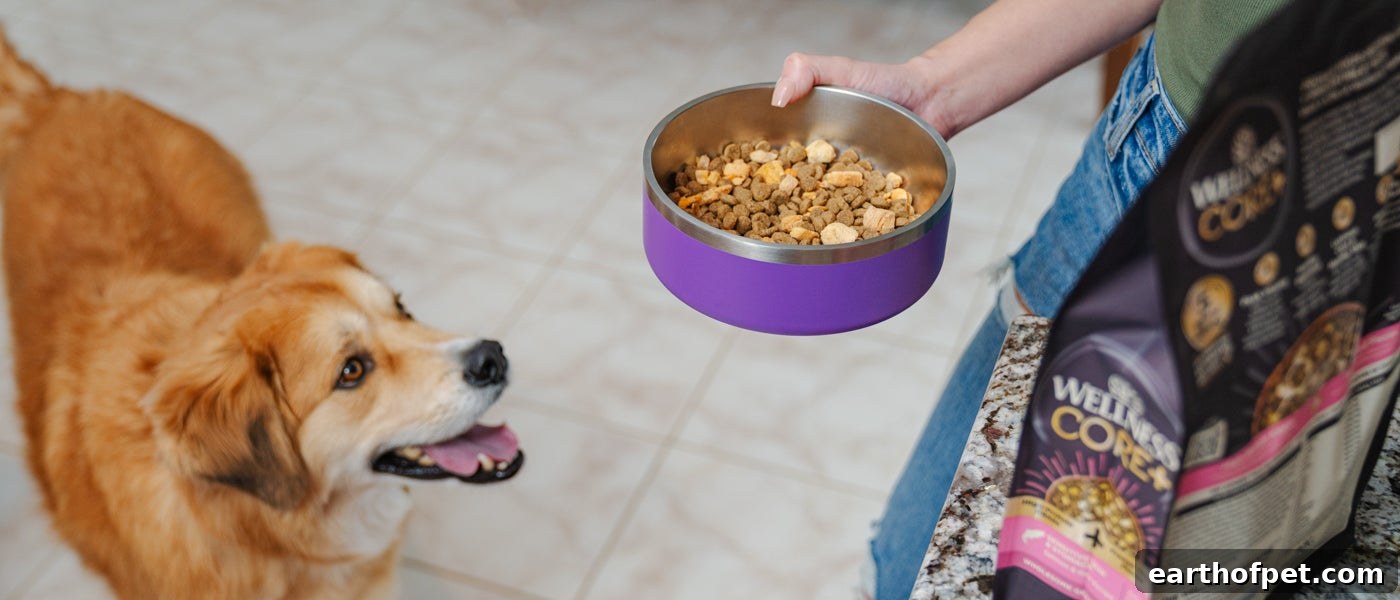
The gut responds to diet and lifestyle the same way other organs do: feeding appropriately and providing supportive nutrients helps it function at its best. To support digestive health, choose complete, balanced recipes that include key ingredients known to promote a healthy microbiome:
- High-quality animal proteins and digestible carbohydrates to support nutrient absorption and maintain body condition.
- Dietary fiber, such as beet pulp, to promote regular, well-formed stools and support healthy microbial activity.
- Prebiotics like FOS (fructooligosaccharides) and MOS (mannan-oligosaccharides) that feed beneficial bacteria and encourage their growth.
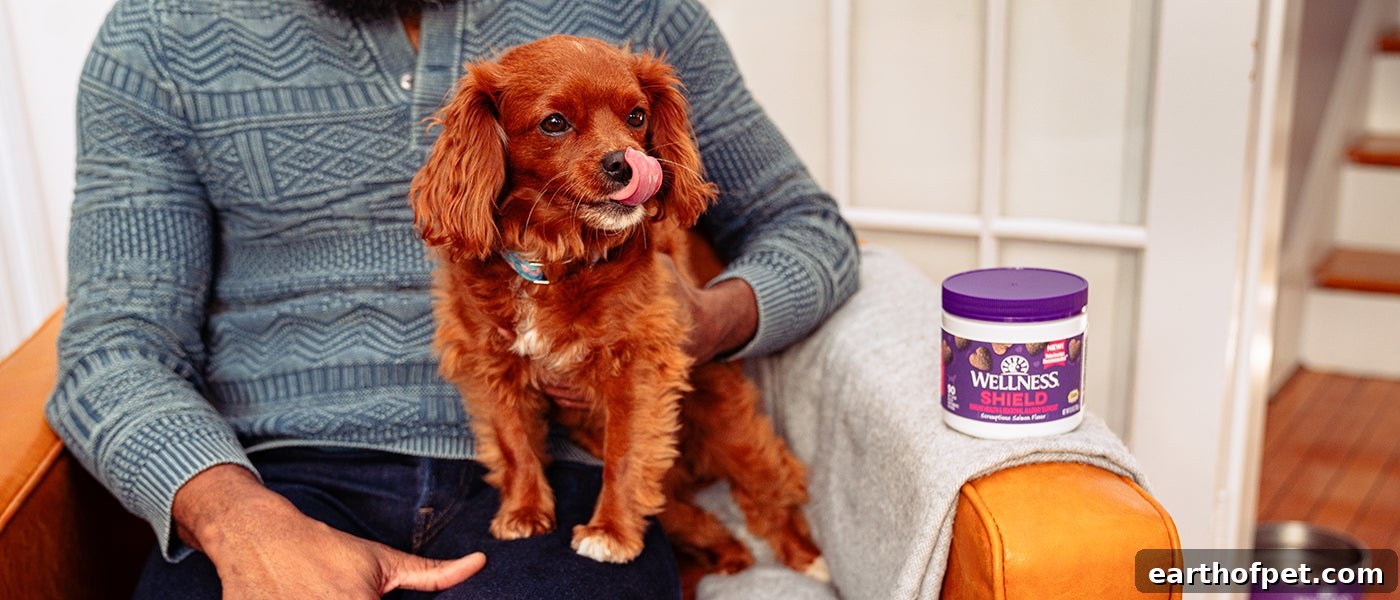
- Probiotics, the supplemental “good” bacteria that can help restore and maintain microbial balance during times of stress or after antibiotic use.
How Do I Transition My Pet’s Diet?
When changing a pet’s food—especially if the pet has a sensitive gut—make the transition gradually to reduce the risk of digestive upset. A slow, 18–21 day transition is often recommended for pets with a history of gastrointestinal problems. Begin with mostly the current food and a small portion of the new food, then slowly increase the new food while decreasing the old:
- Day 1–2: 90% old / 10% new
- Day 3–4: 80% old / 20% new
- Day 5–6: 70% old / 30% new
- Day 7–8: 60% old / 40% new
- Day 9–10: 50% old / 50% new
- Day 11–12: 40% old / 60% new
- Day 13–14: 30% old / 70% new
- Day 15–16: 20% old / 80% new
- Day 17–18: 10% old / 90% new
- Day 19–21: Full transition, as tolerated
If your pet shows signs of digestive upset during the transition, revert to the previous ratio and hold that for a few extra days before attempting the next step. If diarrhea or vomiting persists, stop the transition and consult your veterinarian.
The right diet and gradual changes can make a big difference. Products formulated specifically for digestive health typically include the ingredients listed above and can be a helpful part of a plan to support your dog’s or cat’s gut microbiome and overall wellbeing.
Click below to get a $5 coupon off any Wellness® dry dog or dry cat food mailed to your home