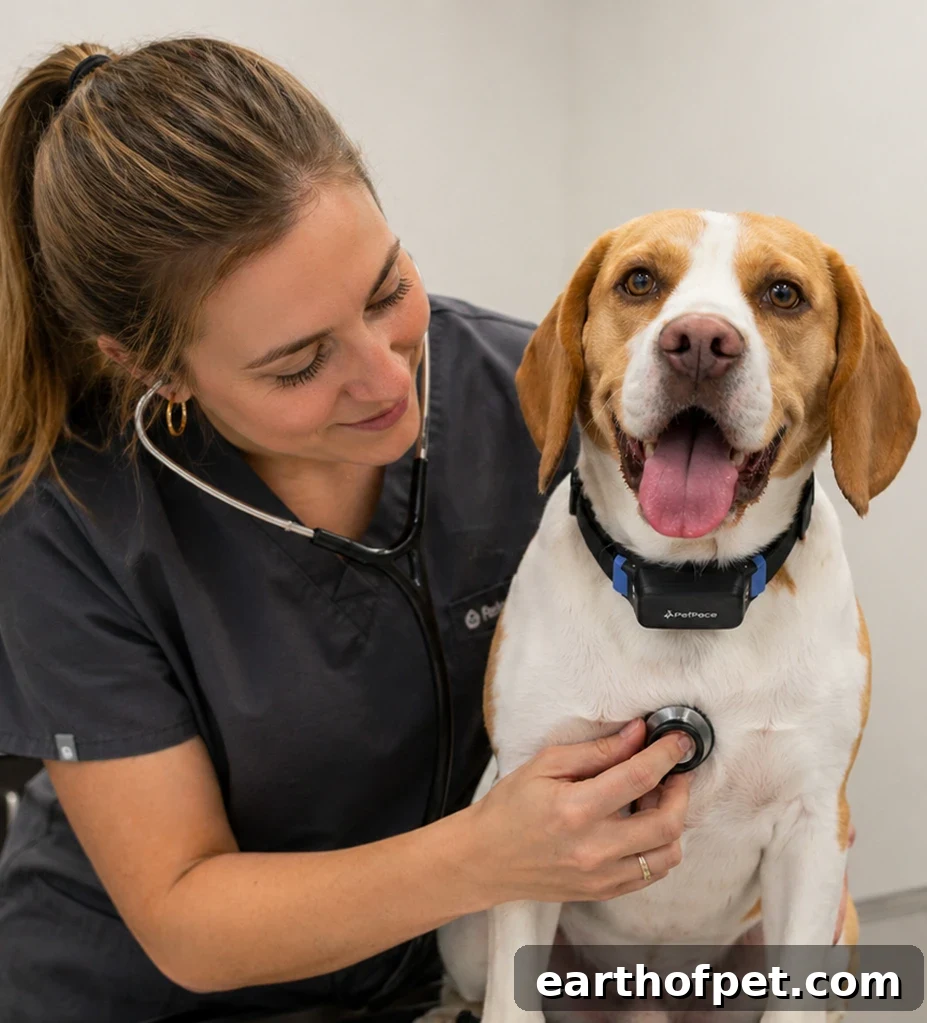
Our pets’ sixth sense is being used by an earthquake early warning system called Animal Alerts. A smart collar tracks stress, pulse and other signals from a group of volunteer dogs. When combined and analyzed, that data can provide advance notice of a quake.
Originally posted on El Comercio
Diana Gonzales Obando
06/23/2024 1:35 PM
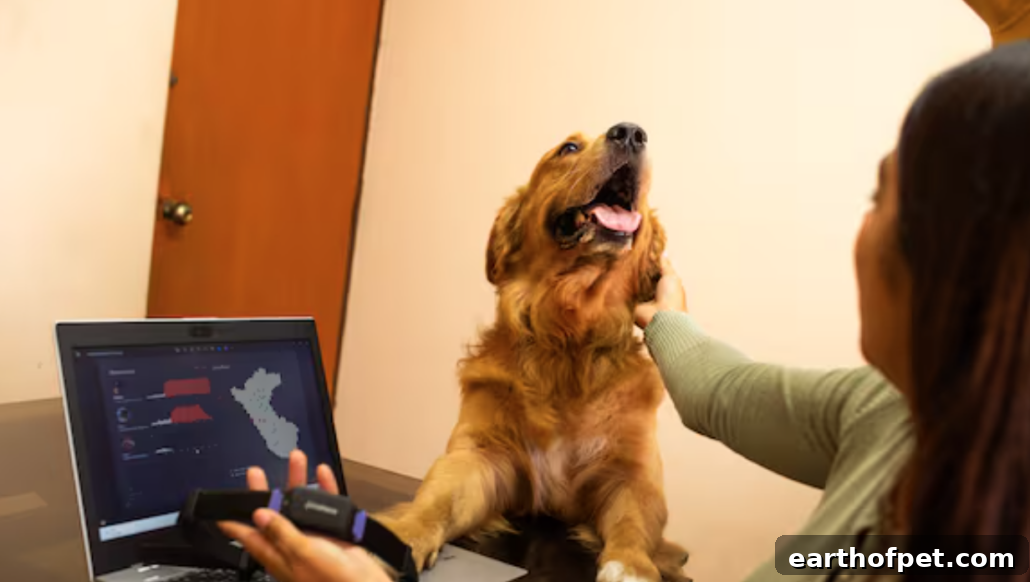
Many pet owners have long suspected that dogs and other animals behave differently before earthquakes. Scientific studies support that pets can show anticipatory reactions to tremors, and Animal Alerts turns that sensitivity into a practical early-warning tool.
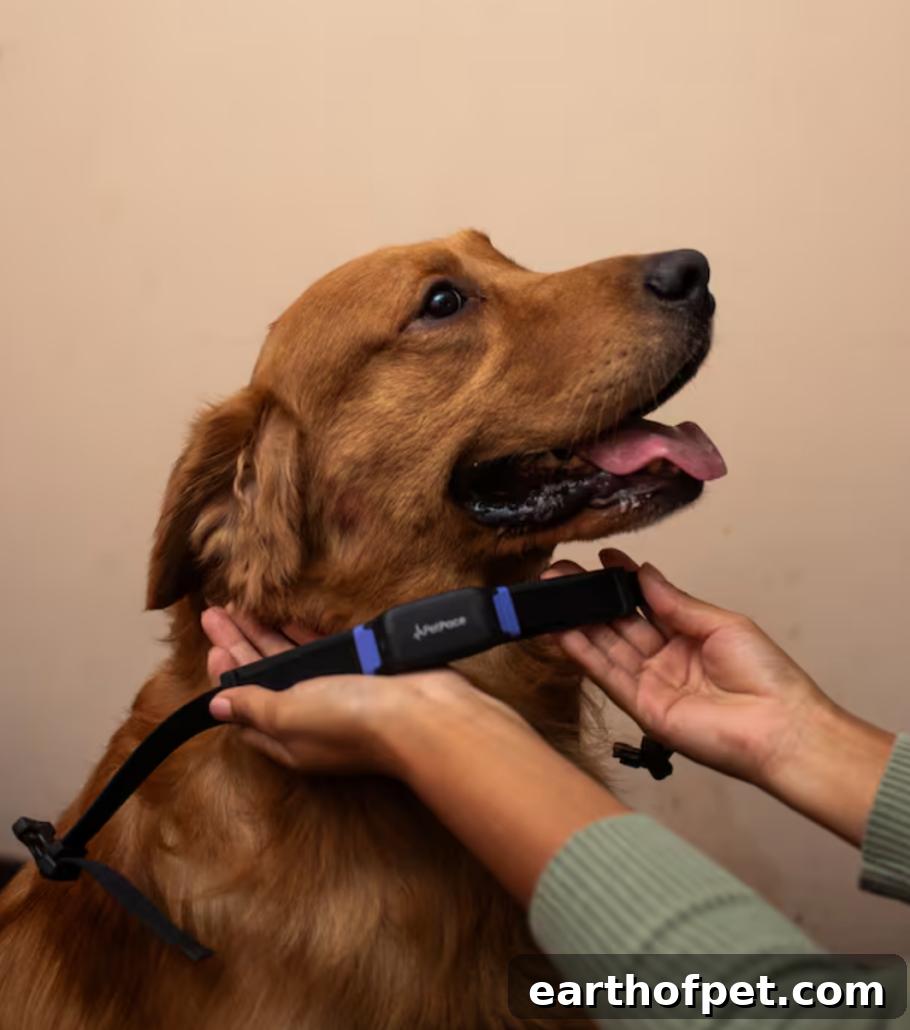
The project equips volunteer dogs with a smart collar that measures temperature, pulse, heart rate variability and stress indicators. These physiological signals are transmitted, processed and analyzed by an artificial intelligence platform. When multiple animals in the monitored network show simultaneous, unusual responses, the system flags the pattern and can send an early earthquake alert to users’ mobile phones. “If several pets are restless at the same time, it can be a high indicator that seismic activity could occur. Using the collars allows us to make these symptoms visible and thus alert the population so that they can protect themselves,” explains Rolando Córdova, publicist and project spokesperson. Alerts can arrive roughly one to two minutes before shaking begins.
The collars are provided by PetPace, a company that developed an AI platform for evaluating and managing pet health. Project leaders cross-referenced the physiological data gathered from collars with scientific research on animal behavior, including studies by Dr. Rachel Grant of London South Bank University, to refine the system’s capacity to identify pre-seismic signals.
Animal Alerts began work in January and chose Peru for initial studies because of the country’s high seismic activity and its location along the Pacific Ring of Fire. The team plans to expand the program to other seismically active countries, with Türkiye and Japan mentioned as future targets. As of now, the initiative includes 170 volunteer dogs in Lima whose owners receive both health updates about their pets via an app and seismic alerts when the system detects potential earthquake precursors. Organizers expect to reach at least 250 volunteer animals as recruitment continues across the capital.
To increase the reach of warnings beyond enrolled phones, project leaders are pursuing partnerships to broadcast alerts on digital panels that update in real time, on local radio, and through other community channels. These outreach methods aim to help alerts reach people who are not directly registered in the app or system.
Canine support
Volunteer dogs come from districts across Lima — Cercado de Lima, Callao, Chorrillos, Barranco, Miraflores, San Juan de Lurigancho and more — and the program continues to add participants. One of the dogs, Zimba, a 3-year-old golden retriever and local social-media figure, has been part of the project since March. Her owner, Maricruz Ruiz, says she is proud Zimba can contribute to a study that could help protect people: “She is contributing a grain of sand to this study that can yield very beneficial results for all people, both in Peru and in other countries. When this project yields positive results and Zimba’s name appears as part of it, she will have been much more than a pet for society, and for that I feel quite grateful.”
Another participant, Latika, a 6-year-old toy poodle, has helped her owner Grecia Valverde better monitor daily health metrics. “I check her vital signs, heart rate, breathing and posture; the app even gives suggestions for feeding her,” Grecia says. “Being part of the Animal Alerts project makes me happy because it helps prevent catastrophe. This way, I can protect her, act quickly and put her somewhere safe.”
Organizers emphasize that the system is an additional tool to improve preparedness, not a perfect predictor. Any early-warning network must account for margins of error and false positives. Still, in a country with frequent seismic activity and the longstanding risk of a major quake affecting Lima and Callao, a few extra minutes of notice — or one more way to alert residents — can make a meaningful difference.
Besides… How to take part?
– Register your dog voluntarily on the Animal Alerts website at www.animal-alerts.org (site address provided as plain text). Once contacted by the project team, the collar is delivered to your home and you can access your pet’s health data and receive seismic alert messages through the app or the Animal Alerts platform.
– Historically, people noticed that snakes, mice and other animals often leave shelters before seismic events. Cats and birds have also been observed showing heightened awareness prior to tremors. Animal Alerts builds on that long-standing observation by translating animal behavior into measurable physiological signals.
– Because Peru sits on the Pacific Ring of Fire, major earthquakes remain a real possibility. Prepare an emergency kit with enough nonperishable food, water, a first aid kit, a flashlight, warm clothing or a coat, and any essential supplies for pets. Keeping a charged phone, a basic plan for evacuation, and a safe meeting spot can improve outcomes when an earthquake occurs.
Animal Alerts aims to combine pet health monitoring, artificial intelligence and community outreach to add one more layer of protection for people living in seismically active zones. Volunteers and supporters play a key role in testing and expanding the system so that, over time, it can reach more residents and provide practical, timely warnings.