Do you know how important your pet’s digestive health is to their overall well-being? A balanced gut helps prevent disease, improves digestion, supports better nutrient absorption, and strengthens the immune system. In short, digestive health matters—and probiotic pet food can play an important role in maintaining it. Probiotics are beneficial bacteria that naturally live in the intestines. When those friendly microbes are in balance, your pet is better able to process food, resist gastrointestinal upset, and maintain overall vitality. Below we explain how probiotics help pets, signs that your pet might need probiotic support, and practical tips for incorporating probiotics into their diet.
Benefits Of Probiotics In Pet Food
Including probiotics in your pet’s diet has several practical advantages. Whether they come from specially formulated pet food or from supplements, probiotics work to support a healthy gut environment. Here are the main benefits to consider.
1. Probiotics Promote a Healthy Digestive System
Probiotics support the balance of bacteria in the gastrointestinal tract, which can lead to more consistent digestion and regular bowel movements. A stable microbiome helps pets extract nutrients efficiently from their food and can reduce the likelihood of digestive disruption when diet or routine changes occur.
2. Probiotics Help Eliminate Diarrhea
When pets experience diarrhea from sudden diet changes, stress, or minor infections, probiotics can help restore bacterial balance and shorten the duration of loose stools. Feeding a diet with added probiotics—or temporarily using a targeted probiotic supplement—often reduces recurrence of digestive upset and aids recovery. Always consult your veterinarian for persistent diarrhea or severe symptoms.
3. Probiotics Ease Gastrointestinal Ailments
Pets with conditions such as inflammatory or irritable bowel issues may benefit from probiotics as part of a broader management plan. Probiotics can help soothe the gut environment, support healthy intestinal lining function, and complement veterinary treatments prescribed for chronic gastrointestinal problems.
Additional practical benefits include reduced gas and bloating, improved stool quality, and support for the immune system since much of immunity is linked to gut health. Probiotics are not a cure-all, but they are a valuable tool for maintaining digestive balance and overall wellness.
Do All Pets Need Probiotic Pet Food?
Because digestive health is closely connected to the immune system and overall well-being, most pets benefit from some form of probiotic support at different stages of life. Puppies and kittens, senior pets, animals recovering from illness, and pets undergoing antibiotic treatment often gain particular advantage from probiotics. That said, the best approach depends on the individual animal’s health status, diet, and medical history, so discuss options with your veterinarian before making changes.
Signs that your pet may need probiotic support include recurring diarrhea or constipation, excessive gas, a dull or thinning coat, reduced appetite, or frequent digestive upsets after diet changes or travel. These signs can have many causes, so professional assessment is important.
Probiotic Diet Vs. Probiotic Supplement
Both probiotic-fortified diets and supplemental probiotics can be helpful. A diet with guaranteed levels of live probiotics provides continuous, measured support and is convenient for daily use. Probiotic supplements, available as powders, capsules, or chews, offer flexibility for short-term use during travel, antibiotic recovery, stress, or illness.
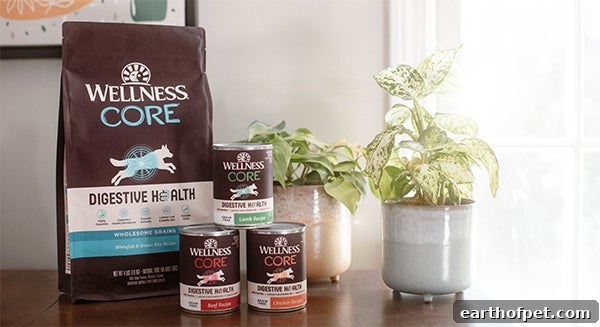
For example, Wellness CORE Digestive Health recipes are designed to be highly digestible, support a healthy microbiome and immunity, promote a lustrous coat and healthy skin, and encourage vitality. These formulas were developed by nutritional experts to support digestive health and help pets thrive.
Choosing between diet and supplements depends on your pet’s needs: a probiotic diet is ideal for ongoing maintenance, while supplements are useful for specific situations. When selecting products, look for reputable manufacturers, clear labeling of probiotic strains and CFU counts (when provided), and storage instructions that preserve potency. Introduce new probiotic foods or supplements gradually to minimize temporary digestive upset.
Finally, always involve your veterinarian when adding probiotics—especially if your pet has underlying health issues, is on medication, or shows severe symptoms. With the right approach, probiotic pet food and supplements can be practical, effective tools in supporting your pet’s digestive health and overall quality of life.