Dogs experience stress and anxiety much like people do, but they often hide it. Because they cannot tell us how they feel, even attentive pet owners can miss early warning signs. Monitoring dog stress and anxiety is the first step toward helping your pet live a calmer, healthier life. By observing behavior, noting changes over time, and using available tools, you can gain real-time health insights into your dog’s emotional state and respond before problems worsen.
What Causes Anxiety in Dogs?
Anxiety in dogs can arise from many sources. Common triggers include separation from owners, loud noises such as thunderstorms or fireworks, unfamiliar places, and sudden changes in routine. Some dogs are more genetically predisposed to nervousness; others develop anxiety because of past trauma, lack of socialization, pain, illness, or ongoing environmental stressors. Even seemingly small changes—new people in the household, rearranged furniture, or altered walking routes—can unsettle a sensitive dog. Identifying the likely causes helps you tailor interventions and reduce the chance of ongoing stress.
Signs of Stress and Anxiety in Dogs
Dogs can’t describe how they feel, but their bodies and behavior give clear clues. Tracking dog anxiety through consistent observation is essential for early intervention and for preventing long-term health effects. Watch for these common signs:
- Pacing or restlessness: Moving repeatedly around a room or being unable to settle down.
- Excessive barking or whining: Vocalizing more than usual, especially in response to relatively minor triggers.
- Panting, drooling, or trembling: Physical stress responses even when not hot or exerted.
- Compulsive licking or chewing: Repeatedly licking skin or chewing objects, which can lead to sores or damaged items.
- Avoidance or hiding: Seeking isolation, reluctance to interact, or retreating to a secluded spot.
- Changes in appetite or sleep: Eating much less or more than normal, or disrupted sleep patterns.
Noticing these indicators early matters because chronic anxiety can influence both behavior and physiology—affecting digestion, skin health, and immune function. Consistent monitoring helps reveal patterns tied to time of day, events, or specific environments so you can act promptly.
Why Understanding Your Dog’s Stress Matters
Stress is more than a short-term behavior issue; it influences overall health and quality of life. Dogs with ongoing anxiety may develop persistent behavioral problems and are more vulnerable to secondary health concerns. Being aware of your dog’s emotional state enables you to intervene proactively, reduce triggers, and strengthen your bond through predictable, supportive care. Monitoring stress and using real-time health insights when available lets you tailor care to your dog’s needs and measure progress over time.
How to Monitor Stress in Dogs
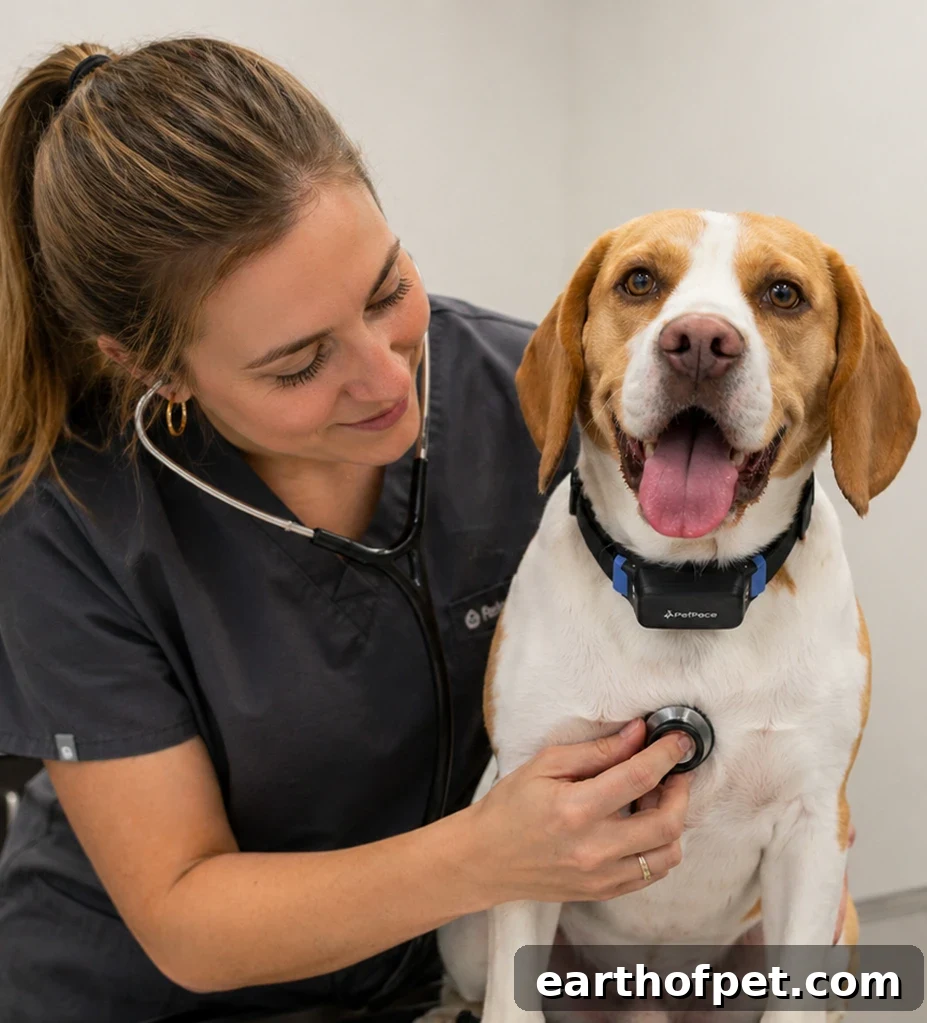
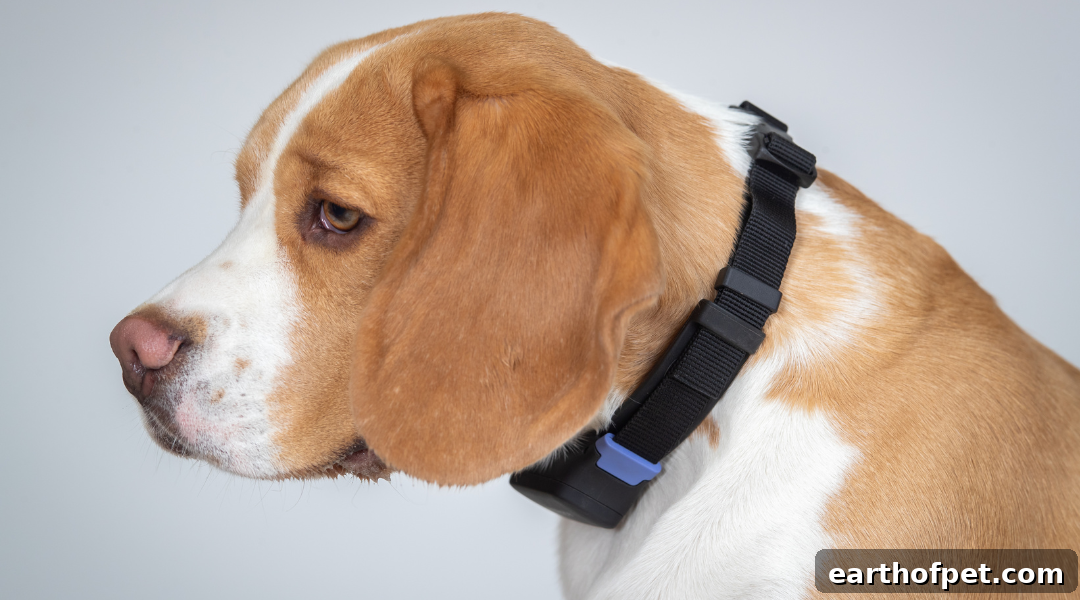
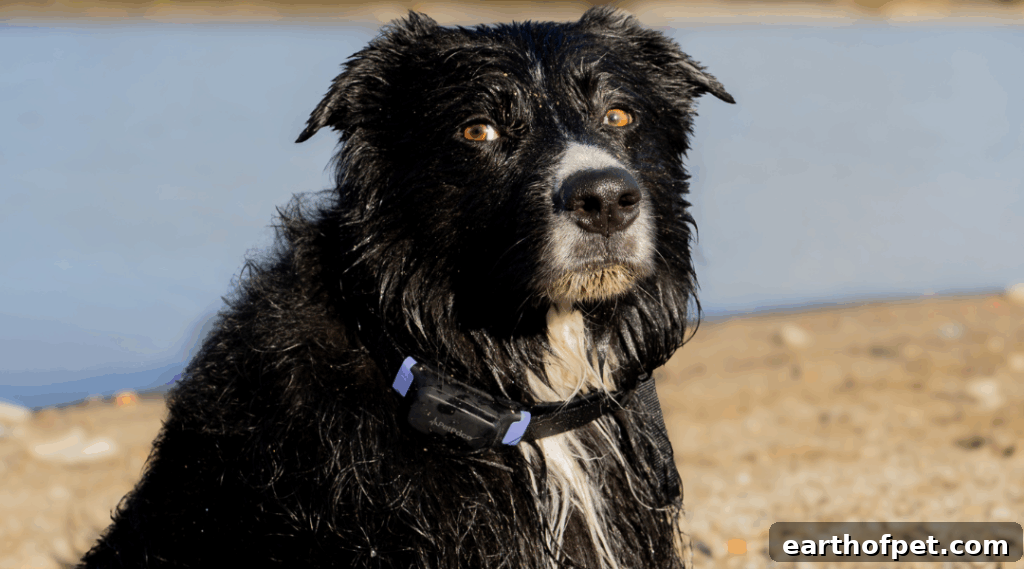
Start by keeping a simple diary or log of behaviors: note what happened before the behavior, the specific signs you observed, the duration, and any actions you took. Look for patterns related to time, people, locations, or events. In addition to behavioral observation, many owners use noninvasive methods such as activity trackers, wearable monitors, or smartphone apps that record movement and rest patterns—these tools can provide helpful supplementary data when used alongside your own observations. Always interpret device data in context and discuss concerning trends with your veterinarian.
Supporting Your Dog Through Stress
There are several practical steps pet owners can take to reduce anxiety and promote emotional wellbeing. Being proactive helps prevent stress from escalating into more serious issues. Key strategies include:
- Create a consistent routine: Predictability around feeding, walks, and rest times helps dogs feel secure.
- Provide a calm, safe space: Offer a quiet retreat where your dog can relax without interruption.
- Offer regular exercise and mental stimulation: Physical activity and puzzle toys or scent games reduce excess energy and anxiety.
- Use enrichment and calming tools: Puzzle feeders, chew toys, and gentle background sounds can soothe some dogs.
- Practice gradual desensitization and counterconditioning: Work slowly to change negative associations with feared stimuli, ideally under guidance from a trainer or behaviorist.
- Seek professional advice when needed: If anxiety is severe or persistent, consult your veterinarian or a certified animal behaviorist to rule out medical causes and discuss safe, effective treatment options.
Combining attentive observation, consistent routines, enrichment, and professional guidance when necessary helps most dogs regain confidence and reduce chronic stress. Real-time health tracking tools can support these efforts by highlighting subtle changes that might otherwise go unnoticed.
Monitoring your dog’s emotional state is essential for long-term health and happiness. With regular observation, supportive routines, and timely veterinary advice, you can reduce anxiety, improve wellbeing, and strengthen your relationship with your pet. To learn more about technology and approaches that can help monitor stress and track your dog’s wellbeing, talk with your veterinarian or a trusted pet-care professional.