If you’re a pet parent who loves to explore, you’ve likely considered or already traveled with your animal companion. Whether you’re driving, flying, or taking another mode of transport, safety must come first. January 2 is National Pet Travel Safety Day, and below are practical, veterinarian-informed tips to help you and your pet travel safely and comfortably.
Traveling With Pets On An Airplane:
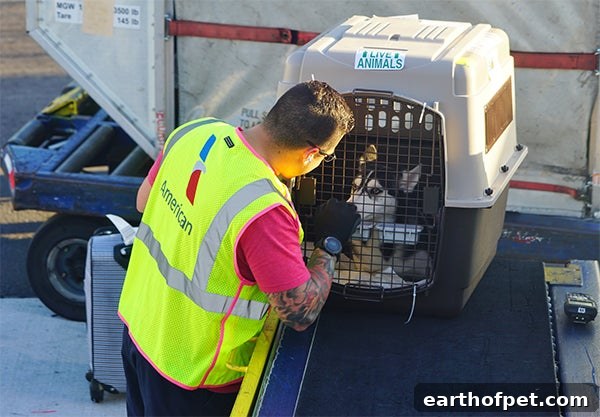
Flying with a pet can make owners anxious, especially when animals must travel in the cargo hold. To help ease stress and improve safety, review the airline’s pet policies well before your trip and prepare your pet in advance. Consider these steps:
- Visit your veterinarian roughly a week to ten days before travel to confirm vaccinations are current and to obtain a health certificate. The ASPCA recommends getting the wellness certificate about 10 days prior to travel.
- Use a sturdy, well-ventilated, USDA-compliant travel crate sized so your pet can stand, sit, and turn around comfortably. Line the crate with an absorbent, comfortable bedding layer and a familiar-smelling blanket or toy to reduce stress.
- Affix a secure water container to the crate and, for longer trips, attach dry food to the outside so airline staff can feed your pet during layovers if needed.
- Clearly label the crate with your pet’s name, your name, phone number, and address. Include a recent photo of your pet and mark the crate “Live Animal.” Carry an extra photo of your pet on your phone or in your bag in case of an emergency or if the crate is accidentally opened.
- Notify airline staff when you check in that an animal is in the cargo hold so staff are aware and can monitor as required. Ask about temperature restrictions and whether your flight or airport imposes weather-related limits for live animal travel.
- Acclimate your pet to the crate ahead of time: let them explore it at home, feed meals inside it, and take short practice rides so the crate becomes a safe, familiar space.
- Consult your veterinarian before giving any sedatives. Many vets advise against sedating pets for flights because it can affect breathing and temperature regulation at altitude.
Traveling With Pets In The Car On Road Trips
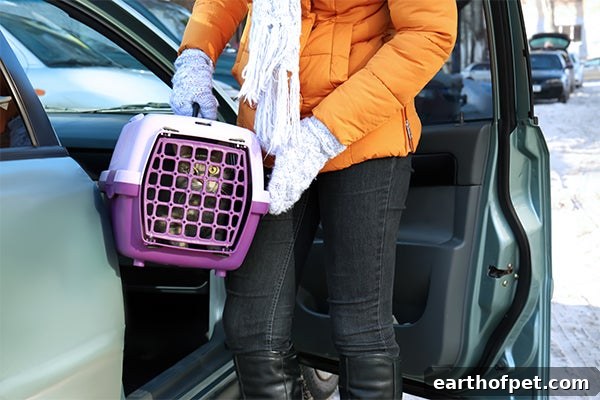
Road trips allow you and your pet to stay together, but they also require planning to keep both the driver and the animal safe. Follow these guidelines for a smoother journey:
- Start with short drives to get your pet used to the motion and the sounds of the car. Gradually increase duration before attempting a long trip.
- Bring a travel kit with essentials: food, bottled water, bowls, medications, up-to-date identification papers, collar with ID tag (or microchip information), leash and harness, waste bags, absorbent pads, and familiar toys or bedding.
- Secure your pet in the back seat with a well-fitted harness attached to the seatbelt, or place them in a secured carrier. This prevents distraction, reduces injury risk in a sudden stop, and keeps pets from roaming to the front where they can interfere with driving.
- A crate or carrier should be placed on the floor or buckled into a seat. Never let a pet hang its head out the window—debris and wind can injure eyes and ears.
- Never leave a pet unattended in a parked vehicle. Temperatures inside a car can rise or fall dangerously fast. If you must stop, take your pet with you or ensure someone stays with them inside a climate-controlled space.
- Plan frequent rest stops so your pet can relieve itself, stretch, and hydrate. Offer small amounts of water regularly to prevent motion sickness and dehydration.
- Before you open the car door, secure your pet with a leash or make sure the carrier is closed. Excited or anxious animals commonly bolt when a door opens in an unfamiliar place.
Train, Bus, & Boat Travel Safety
Policies for non-airline public transport vary widely. Amtrak and Greyhound typically allow only service animals, and many buses and trains follow similar rules. Some smaller ferry lines or pet-friendly cruise options may permit pets with advance approval. Before booking, check the carrier’s latest policy on animals. If travel is allowed, apply the same safety principles used for cars and planes:
- Confirm size and crate requirements and reserve your pet’s spot in advance when possible.
- Bring absorbent pads, familiar bedding, and motion-sickness remedies only after consulting your veterinarian.
- Label carriers with contact details and a photo. Keep important documents easily accessible.
- Provide calming items from home—your pet’s favorite toy or blanket—to reduce anxiety during transit.
- Always supervise your pet when loading and unloading to prevent escapes or injury.
Traveling with pets can be a rewarding experience when you plan carefully and prioritize safety. Keep your animal’s comfort and health central to every decision, from documentation and crate choice to hydration and breaks. With preparation and attention to detail, there’s no reason to leave your four-legged family members behind.
Surround your pet with familiar items while traveling—bring a favorite toy, pillow, blanket, and their usual food.
Familiar things reduce anxiety. Wellness Pet Food is committed to meeting pets’ emotional, physical, and nutritional needs, which is why quality ingredients are used across their recipes.