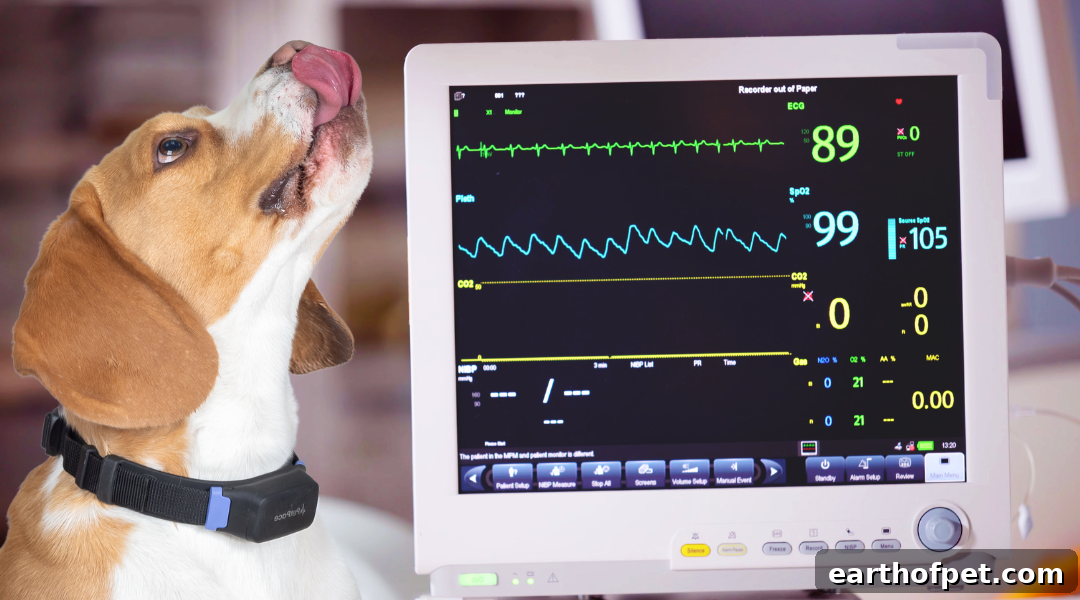
Our canine companions bring joy, loyalty, and energy into our lives. Maintaining their cardiac health is a vital part of responsible pet ownership. Canine heart disease can progress quietly, so understanding prevention, early detection, proper diet, appropriate exercise, and complementary therapies helps keep dogs healthier and living longer.
Below we explore practical guidance on spotting early warning signs of heart disease in dogs, how veterinarians diagnose and treat cardiac conditions, suitable diets and exercise plans for affected pets, and how wearable monitoring technology can transform canine cardiac care.
Can Heart Disease Be Detected Early?
Yes—early detection makes a significant difference in managing heart disease in dogs. Regular veterinary exams are the foundation: physical checks, listening for abnormal heart sounds, and assessing breathing and activity levels can reveal early problems. Advances in wearable veterinary technology also enable continuous monitoring of vital signs. Devices that track heart rate, respiration, activity, and sleep patterns can alert owners and veterinarians to subtle changes long before obvious clinical signs appear, allowing timely intervention.
How Is Heart Disease Diagnosed in Dogs?
Diagnosing heart disease usually combines clinical examination with diagnostic imaging and tests. A veterinarian will perform a thorough physical exam and may recommend chest X-rays and cardiac ultrasound (echocardiography) to evaluate heart size and function. In some cases, an electrocardiogram (ECG) assesses the heart’s electrical activity. Blood tests, blood pressure measurement, and monitoring of respiratory status also contribute to a complete cardiac assessment. Together, these diagnostics help determine the type and extent of heart disease and guide an appropriate treatment plan.
What Are 3 Early Warning Signs of Heart Disease?
There are many possible early indicators of heart disease. If your dog shows any combination of these signs, consult your veterinarian promptly. Early recognition and treatment improve outcomes.
- Coughing:
Persistent coughing—especially at night, during rest, or after mild exertion—can indicate fluid buildup in the lungs or pressure from an enlarged heart. Chronic coughs warrant veterinary evaluation.
- Difficulty Breathing:
Labored breathing, shortness of breath, rapid shallow breaths, or noticeable panting at rest are concerning signs. Changes in respiratory patterns can reflect cardiac or pulmonary issues and should prompt immediate attention.
- Fatigue and Weakness:
A previously active dog that becomes lethargic, reluctant to exercise, or tires quickly may be experiencing reduced cardiac output. Watch for decreased stamina, less interest in play, or frequent rest breaks during walks.
Diet for Pets with Heart Conditions
Nutrition plays a key role in supporting dogs with heart disease. Work with your veterinarian to develop a tailored feeding plan. Common dietary goals include maintaining a healthy body weight, supporting muscle and organ function with high-quality protein, and managing fluid balance and blood pressure—often by moderating sodium intake. Diets may emphasize beneficial fats like omega-3 fatty acids for their anti-inflammatory effects. Any supplements or major diet changes should be made under veterinary guidance to avoid unintended complications.
For more on dog food for dogs with heart disease, click here to read this blog.
Exercise for Dogs with Heart Disease
Exercise remains important but must be adapted to the dog’s condition. Low-impact activities—short, frequent walks, gentle play, and light leash exercise—help preserve muscle tone without overtaxing the heart. Avoid intense exertion, extremes of temperature, and long periods of activity. Monitor your dog closely for coughing, excessive panting, or fatigue, and consult your veterinarian to design a safe, personalized activity plan that balances conditioning with rest.
Holistic Treatments for Pet Heart Disease
Complementary therapies can support conventional cardiac care when used alongside veterinary treatment. Stress-reduction techniques—such as massage, structured rest, and calm routines—may improve overall well-being. Some pet owners explore acupuncture or targeted rehabilitation under the supervision of a holistic veterinarian or certified animal therapist. Nutritional supplements and tailored lifestyle changes can also be considered, but always coordinate these options with your primary veterinarian to ensure safety and compatibility with medications.
Revolutionizing Canine Cardiac Care with PetPace
Wearable monitoring, like the PetPace smart collar, is changing how owners and veterinarians manage canine cardiac health. Continuous tracking of pulse rate, heart rate variability, respiratory rate, activity and exercise scores, wellness metrics, sleep quality, and a comprehensive health profile gives caregivers timely, actionable data. When shared with a veterinarian or integrated into telemedicine consultations, this information helps identify trends, detect early deterioration, and support remote decision-making.
Features such as alerts for abnormal readings and indicators for pain or distress enable faster responses to emerging problems. For pets at increased risk of heart disease, consistent biometric monitoring can be a powerful tool to complement routine veterinary care and support proactive management plans.
Conclusion
Protecting your dog’s heart requires a balanced approach: vigilant observation for early warning signs, regular veterinary check-ups and diagnostics, tailored nutrition and exercise, and thoughtful use of complementary therapies and monitoring technologies. By combining these strategies, you can help preserve cardiac function, improve quality of life, and extend the years you share with your pet. If you suspect any cardiac concerns, contact your veterinarian promptly to begin assessment and care.