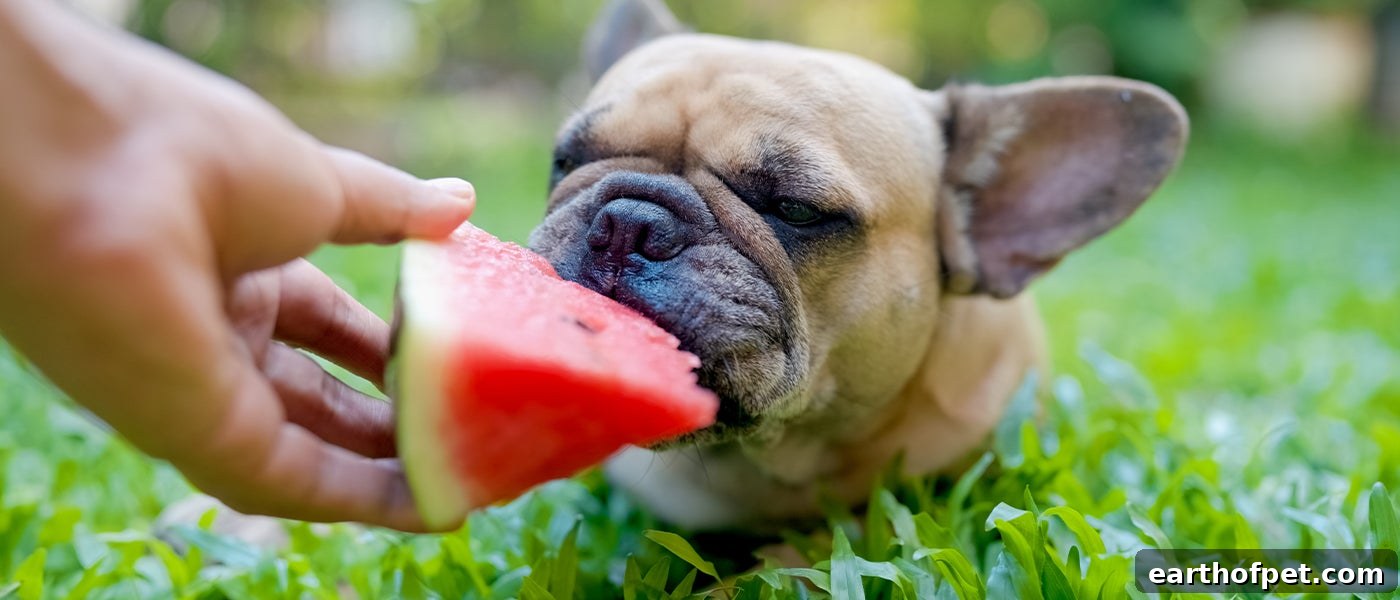
Most dogs love human snacks and table scraps. If your dog is food-motivated, you may often wonder which human foods make safe, healthy treats you can offer regularly. This guide explains what makes a snack healthy for dogs, which common fruits, vegetables, and pantry items are safe or unsafe, and tips for choosing commercial alternatives that support your pet’s overall health.
What Makes a Snack Healthy for Dogs?
A healthy dog snack should provide nutritious, easily digestible ingredients without excessive calories, salt, sugar, or harmful additives. Snacks can support overall wellbeing when they add fiber, vitamins, minerals, or protein while fitting into your dog’s daily calorie needs. Some treats are also formulated to promote skin and coat health, digestion, or joint support.
Keep in mind that “safe” does not always mean “healthy.” For example, cheese is safe for many dogs but is high in fat and sodium: even a small amount can add substantial calories to a small dog’s day. Nut butters are generally dog-safe if they contain no xylitol, but they are calorie-dense and high in fat. If your dog needs to lose weight or maintain a healthy weight, avoid high-calorie snacks such as baked goods, sausages, excessive jerky, and starchy treats in large portions.
As a general rule, treats should make up no more than 10% of your dog’s daily calorie intake. For specific calorie targets or dietary advice, ask your veterinarian or use a reputable calorie calculator tailored to your dog’s size, age, and activity level.
Healthy Human Snacks for Dogs
Many human foods found in your kitchen can be safe, nutritious snacks for dogs when given in moderation and prepared properly. Always remove seeds, pits, rinds, and any toxic parts before offering food to your pet.
Fruits That Are Safe for Dogs
- Apples and pears (remove seeds and core)
- Bananas, pineapples, strawberries, and mango (offer in small portions due to natural sugars)
- Watermelon and cantaloupe (remove rind and seeds; hydrating and low-calorie)
- Oranges (peeled and seedless, in moderation)
- Peaches (remove pits)
- Raspberries, blackberries, and blueberries (small servings—less than one cup at a time)
- Cooked pumpkin and plain squash (pumpkin can help digestion when plain and cooked)
Fruits can be a good source of fiber, antioxidants, and hydration, but watch portion sizes because many fruits are high in natural sugars.
Fruits to avoid:
- Avocado (contains persin, which can be harmful in some varieties)
- Cherries (pits and stems contain cyanide; flesh still poses risk from pits)
- Grapes and raisins (known to cause severe kidney damage in dogs)
- Tomatoes in large quantities or green parts (contain solanine)
Vegetables That Are Safe for Dogs
Vegetables can be an excellent low-calorie snack option. Serve them raw, steamed, or boiled with no added salt, seasonings, butter, or oil.
- Cucumbers (very low calorie—great for dogs on a diet)
- Carrots (low-calorie and high in fiber)
- Celery (low-calorie and may help freshen breath)
- Green beans and peas (prefer plain, low- or no-salt canned options)
- Zucchini and cooked summer squashes
Vegetables to avoid or limit:
- Onions, garlic, leeks, and chives (all toxic to dogs)
- Mushrooms (store-bought varieties are often safe when cooked, but many wild mushrooms are highly toxic—avoid unless you’re certain)
- Asparagus (not toxic but can be difficult to chew and digest)
- Spinach (large amounts may pose a risk for dogs with certain health conditions due to oxalates)
- Brussels sprouts, broccoli, and cabbage (may cause gas or gastric upset in sensitive dogs)
Other Safe Pantry Foods for Dogs
Beyond fruits and vegetables, several simple, plain human foods can serve as healthy dog snacks when prepared correctly:
- Plain cooked proteins—unseasoned chicken, turkey, lean beef, or salmon with all bones removed. Aim for low fat and no added sauces.
- Cooked grains—plain rice, pasta, or oatmeal in moderation; avoid sauces, seasonings, and added salt.
- Dairy—plain yogurt (without artificial sweeteners) can support digestion in dogs that tolerate dairy. Cheese is fine in small amounts for dogs not sensitive to lactose but is calorie-dense.
- Nut butters—xylitol-free peanut or almond butter can be an occasional treat; use sparingly due to high calories and fat.
- Eggs—cooked eggs (boiled or scrambled without oil, butter, salt, or seasoning) are a nutritious, protein-rich snack. Avoid raw eggs to reduce the risk of salmonella and biotin imbalance.
Ingredients and Foods to Avoid
Certain foods and additives are dangerous or unhealthy for dogs. Never offer the following:
- Chocolate and any caffeine sources (contain theobromine and caffeine, which are toxic)
- Xylitol and other sugar alcohols (found in some sugar-free gums, candies, and nut butters; can cause rapid hypoglycemia and liver failure)
- Alcohol and raw yeast dough (ethanol and rising dough can be life-threatening)
- Macadamia nuts (known to cause weakness and other symptoms)
- Synthetic preservatives like BHA, BHT, and ethoxyquin, as well as artificial coloring and excessive added sugars or corn syrup
- Small, hard items that could cause choking or intestinal blockage
Healthy Commercial Alternatives and Practical Tips
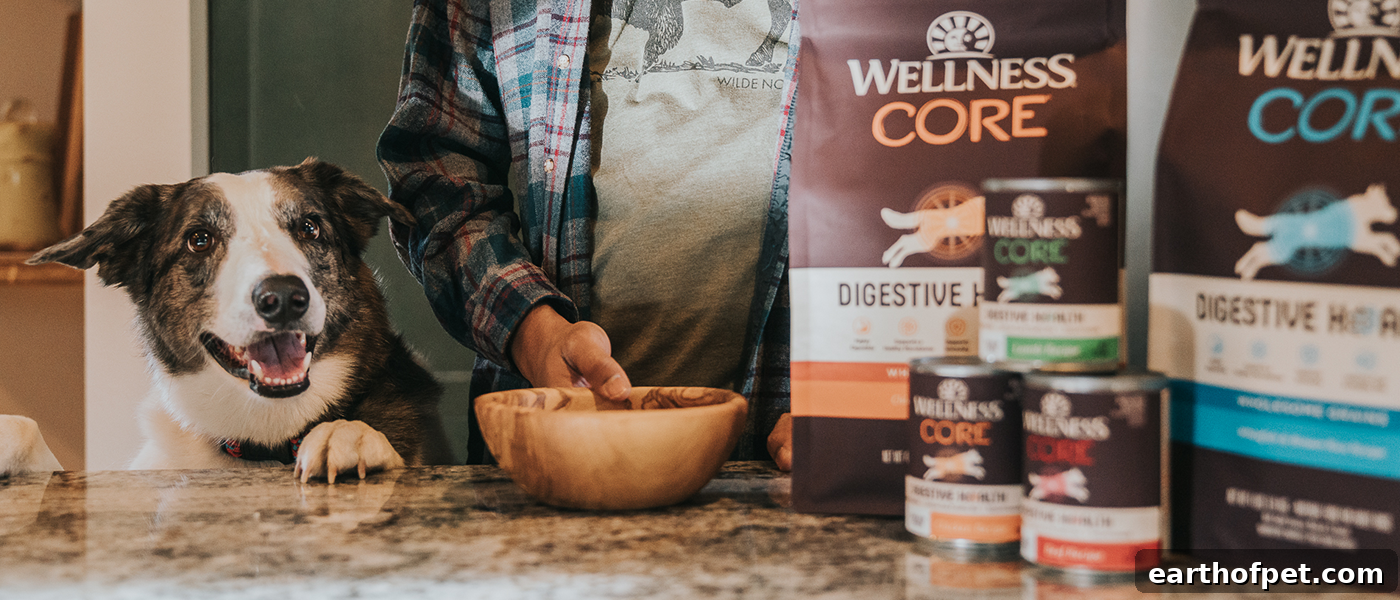
If preparing fresh fruits and vegetables or checking labels feels time-consuming, many commercial dog treats, toppers, and meal mixers are formulated with canine nutrition in mind. Look for products with simple, recognizable ingredients, minimal artificial additives, and appropriate calorie content for your dog’s needs. Choose treats sized appropriately for your dog and suited to their chewing ability and dietary restrictions.
Keep your dog’s allergies, food sensitivities, and texture preferences in mind. Introduce new foods slowly and in small amounts to monitor for adverse reactions. When in doubt, consult your veterinarian to tailor snack choices to your dog’s age, weight, medical history, and activity level.
Feeding safe, healthy snacks is a great way to bond with your dog while supporting their nutrition and wellbeing. With moderation, careful selection, and veterinary guidance when needed, many human foods can be a tasty and healthy addition to your dog’s diet.