If you are teaching a puppy basic commands like sit, stay, or down, working on house training, or helping an adult dog learn new behaviors, high-quality dog training treats are a practical tool to keep your pet focused and motivated. Training treats for dogs can also be effective when you’re doing behavior modification with an older dog—positive reinforcement works at any age when treats are used thoughtfully and consistently.
When choosing dog training treats, common questions include: how large should the treats be, what ingredients are best, and how many treats are appropriate each day? Below you’ll find clear, practical guidance and tips to help you select and use training treats safely and effectively, drawing on advice from Dr. Danielle Bernal, a veterinarian at Wellness Pet Company.
Dog Training Treat FAQs
Answers to frequently asked questions about dog training treats, including size, ingredients, calories and practical training tips.
What should you look for in a dog training treat?
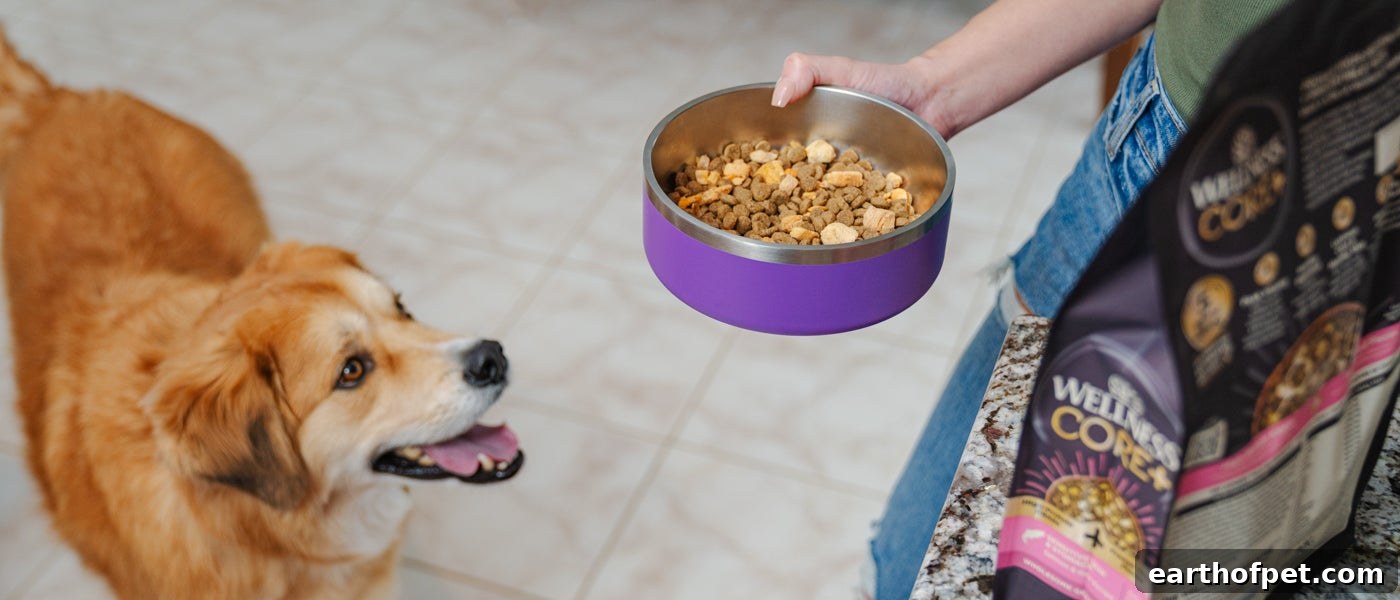
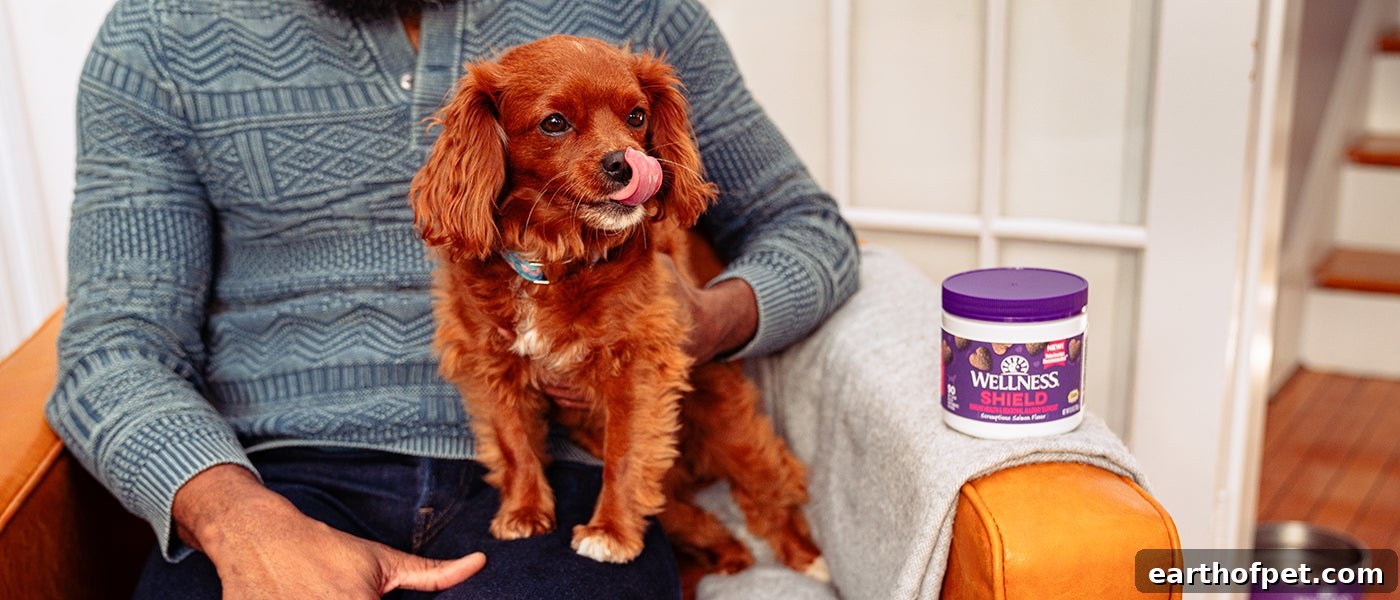
Choose treats that are “high-value” to your dog—something they are excited to work for. Dr. Danielle notes that many dogs prefer treats with higher meat content and softer textures, which are easier to chew and more enticing during fast-paced training sessions. Having a variety of textures and flavors can also keep your dog interested; alternating flavors gives them a pleasant surprise and helps maintain enthusiasm.
For short, frequent rewards during training, look for small, low-calorie treats you can give multiple times without overfeeding. Soft, easily breakable pieces let you divide a single treat into several rewards during one session, which is especially useful when shaping complex behaviors.
How many dog training treats can you give each day?
The amount depends on the specific treat, your dog’s individual needs, health status, and daily exercise level. A common guideline is that treats should make up no more than 10% of your dog’s total daily calories. If you’re unsure what your dog’s calorie needs are, consult your veterinarian to determine the right daily allowance. If your dog is carrying extra weight, reduce food-based rewards and incorporate non-food rewards—such as toys, playtime, or praise—into training sessions.
How many calories should be in a dog training treat?
Over-treating is a common contributor to weight gain in pets. Rather than focusing only on calories per treat, pay attention to how many treats you give during a training session and across the day. Smaller dogs reach their treat calorie limit faster than larger dogs, so adjust portion sizes accordingly. Choose low-calorie options for frequent reinforcement and break treats into smaller pieces when possible to extend rewards without exceeding daily calories.
How should you size and time training treats?
Keep training treats small—think pea- to fingertip-sized—so you can give several rewards during a short session without overfeeding. Short, frequent sessions (5–10 minutes, multiple times a day) are more effective than long sessions. Reward immediately after the desired behavior so your dog connects the action with the treat. For challenging behaviors or new tricks, increase the value of the reward (a softer, meatier treat) and gradually fade to lower-value rewards once the behavior is reliable.
What ingredients should be on the label of a good training treat for dogs?
Look for recognizable, high-quality ingredients such as real chicken, eggs, or other named proteins, whole-food carbohydrates, and simple, natural flavors. Avoid treats with unnecessary artificial colors, flavors, or preservatives when possible. Ingredients lists that are short and transparent make it easier to identify potential allergens and assess overall quality. If your dog has specific dietary restrictions or health issues, check with your veterinarian before introducing new treats.
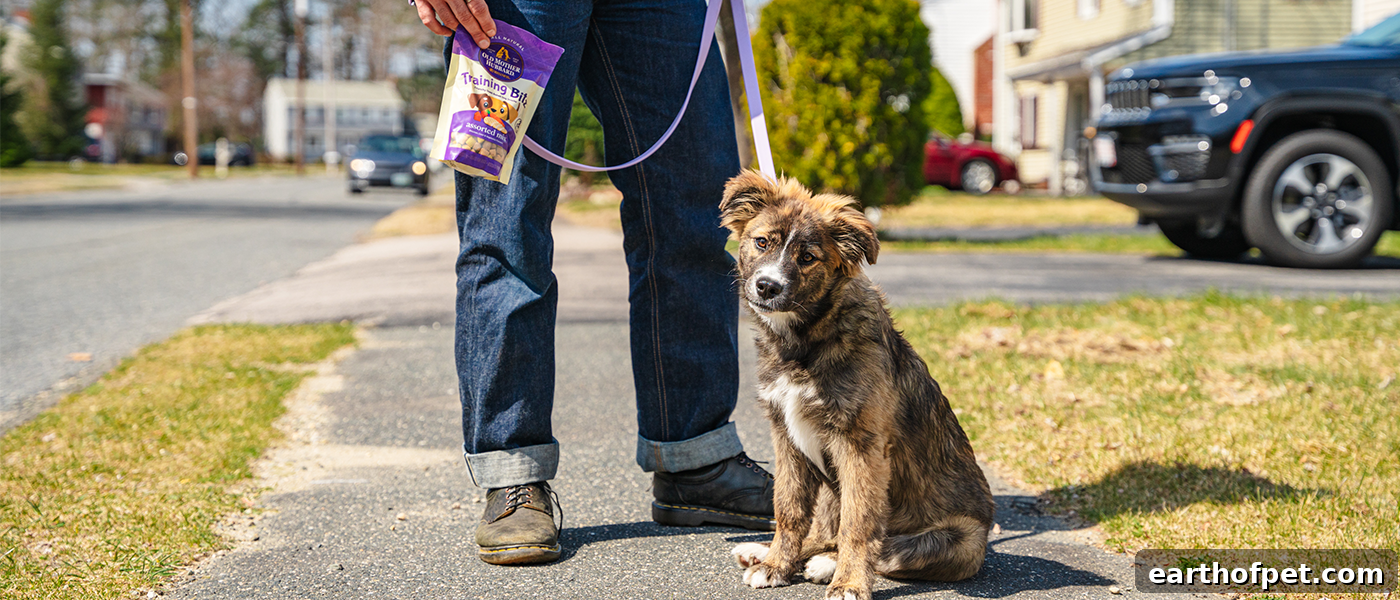
For those looking for packaged options, small baked treats with simple, wholesome recipes can be a convenient choice. One example many trainers recommend for routine reinforcement is Wellness Old Mother Hubbard Training Bitz—small, low-calorie pieces that are easy to carry and portion during training. These Training Bitz are small in size and are commonly noted for their low calorie count per piece, making them suitable for frequent use.
Practical tips for training with treats
- Keep treats accessible during walks and sessions by using a treat pouch or small container.
- Mix food rewards with play, praise, or toy-based reinforcement to keep training varied and engaging.
- Break larger treats into smaller pieces for extended sessions or for small-breed dogs.
- Monitor your dog’s weight and body condition regularly; if weight creeps up, reduce treat calories or increase exercise.
- Store treats in an airtight container to preserve freshness and aroma—scent helps motivate many dogs.
Training treats are a powerful tool when used with clear timing, consistent cues, and appropriate portion control. By choosing high-value, appropriately sized treats and combining them with non-food rewards, you can teach new skills, reinforce good behavior, and keep training sessions enjoyable for both you and your dog.