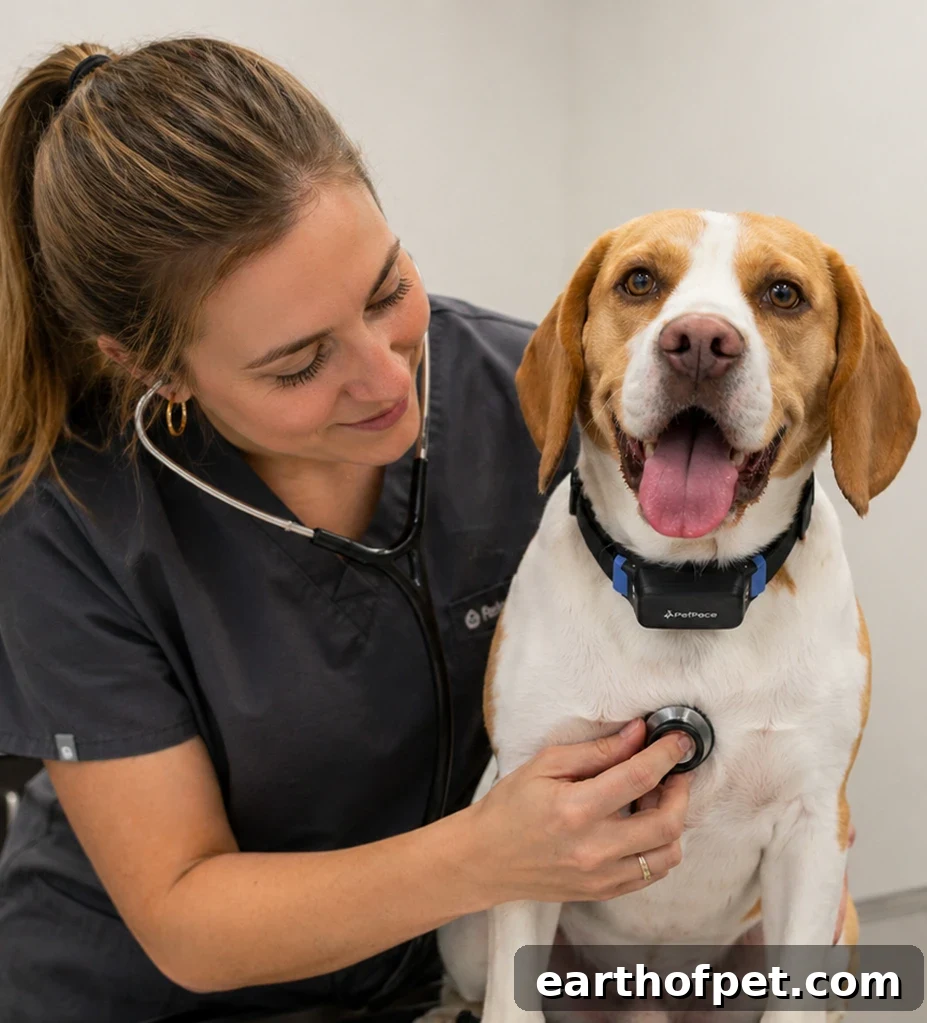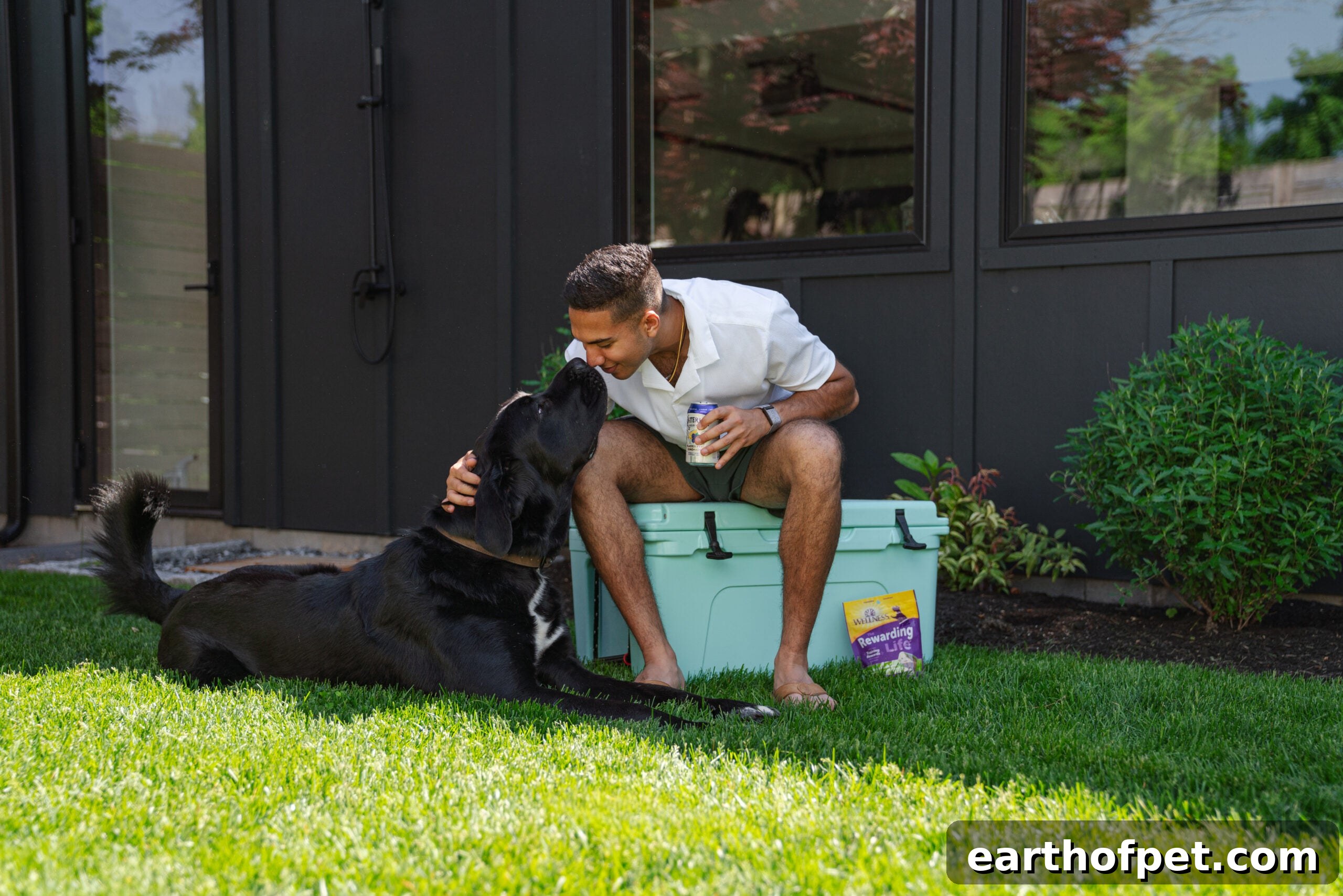
Ah, the 4th of July — a weekend of backyard barbecues, fireworks, and road trips. For pet owners, that mix of celebration and noise can mean extra preparation. Whether you’re headed to a mountain cabin, a lakeside campground, or a beach rental, traveling with a dog or cat takes planning, patience, and the right comforts to keep them calm and safe.
This guide covers practical pet travel tips for July 4th: a focused packing checklist, car and air travel safety, how to choose truly pet-friendly lodging, nutrition on the road, and strategies to reduce stress from fireworks and unfamiliar environments. We also highlight gentle calming options you can discuss with your veterinarian and Wellness® products designed for travel-ready pets.
The Ultimate Pet Travel Checklist
Pack these essentials before you go to avoid last-minute runs and stressful surprises:
- ✔️ Portable food and water bowls
- ✔️ Favorite toy or blanket that smells like home
- ✔️ Current ID tags and copies of pet identification paperwork
- ✔️ Secure carrier for cats or an automotive pet seat/crash-tested harness for dogs
- ✔️ Calming treats or supplements you’ve tried at home
- ✔️ Leash, harness, and seat-belt attachment
- ✔️ Waste bags for dogs or litter and scoop for cats
- ✔️ Health records, vaccination info, and a copy of your vet’s contact details
- ✔️ Enough food and treats for the entire trip, plus a small extra supply
- ✔️ Basic pet first aid kit
Car Safety for Pets: Buckle Up, Buttercup
Unrestrained pets can be dangerous in a moving vehicle — for them and for everyone else. Keep your pet secure and comfortable during the drive:
- Use a crash-tested dog harness and seat belt or a well-ventilated, secured carrier for cats.
- Never allow pets to ride with heads out the window; debris and sudden stops can cause injury.
- Plan breaks every 2–3 hours so pets can eliminate, drink, and stretch their legs.
- Keep the cabin cool and never leave a pet unattended in a parked car.
Finding Dog-Friendly Hotels and Pet Accommodations
“Pet friendly” can mean different things. Before you book, confirm what the property actually provides and what rules apply:
- Look for properties that offer pet welcome kits or designated pet areas.
- Check for on-site green spaces or nearby walking trails.
- Confirm pet fees, weight or breed restrictions, and any housekeeping rules.
- Verify access to a local veterinarian or emergency clinic in the area.
- Read recent guest reviews and call ahead to clarify policies.
Long Distance and Plane Travel with Pets
Air travel requires more preparation but can be manageable with the right carrier and routine. Key considerations:
- Use an airline-approved carrier that allows your pet to stand, turn, and lie down comfortably.
- Acclimate your pet to the carrier well before travel to reduce anxiety.
- Feed pets a few hours before departure rather than immediately before travel to minimize upset stomach.
- Discuss calming options with your veterinarian—supplements like those formulated with magnesium or other gentle ingredients may help, but always test them at home first.
For cats, bring a small towel that smells like home and monitor for stress signs such as excessive vocalizing, panting, or hiding.
Nutrition on the Road
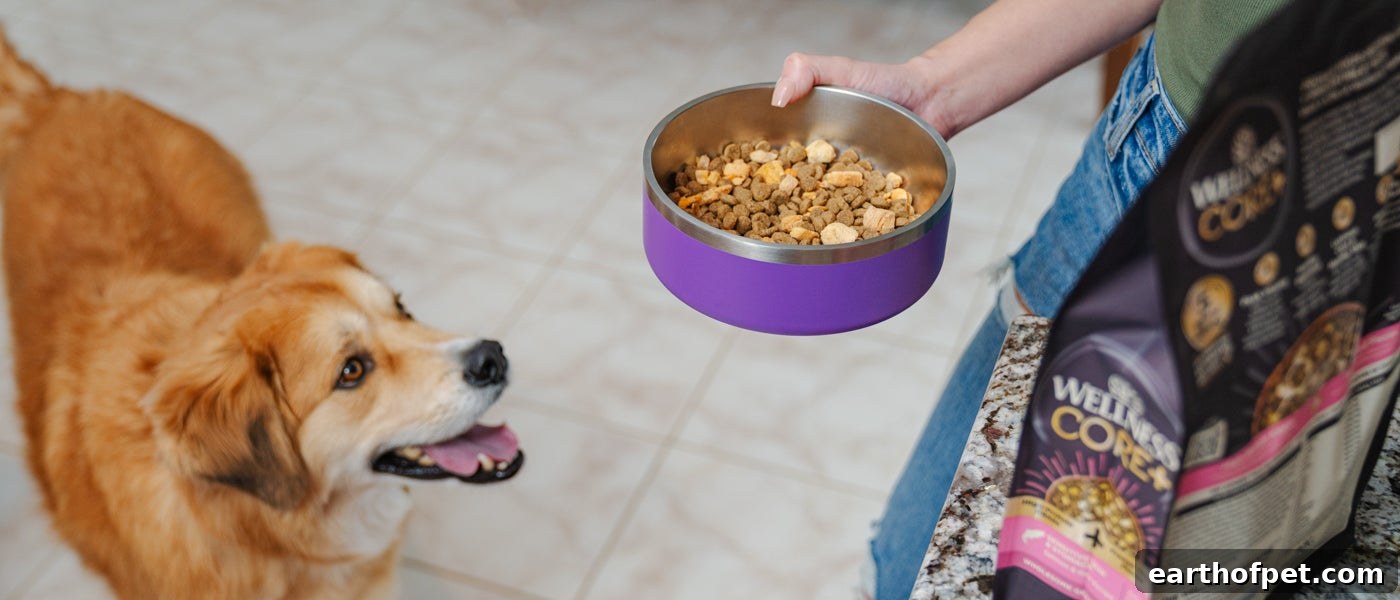
Maintaining your pet’s regular diet while traveling helps prevent digestive upset. Pack pre-measured meals and familiar treats so your pet’s routine stays consistent. Travel-friendly options that provide balanced nutrition and convenient packaging make mealtime easier on the go. Always carry a bit of extra food and any supplements your pet uses.
Calming the Chaos: Stress Relief for Cats and Dogs
Fireworks and new environments can trigger anxiety. Watch for common signs of stress:
- Dogs: pacing, panting, trembling, excessive barking, hiding
- Cats: hiding, avoidance, aggression, over-grooming, changes in litter box habits
Strategies to help:
- Bring familiar items and keep routines as close to normal as possible.
- Create a quiet, enclosed space with soft bedding and white noise to mask fireworks.
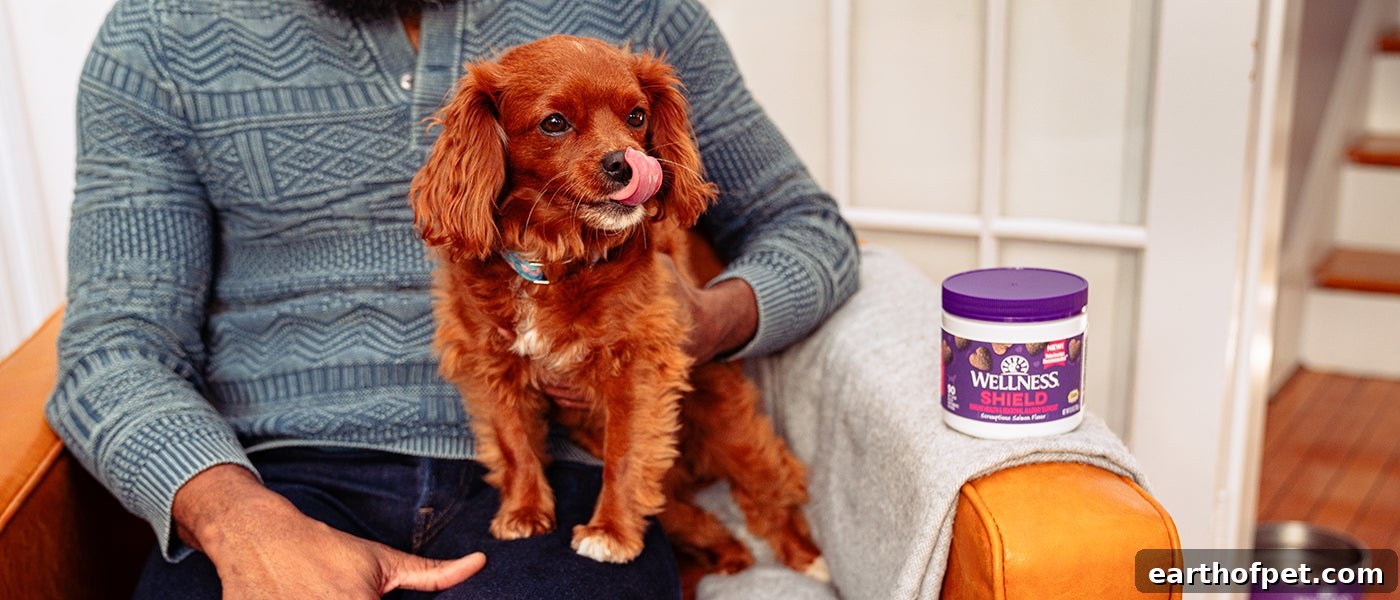
- Consider calming supplements you have already tested at home and consult your veterinarian about appropriate choices for your pet’s age and health.
- Use gentle reassurance, but avoid reinforcing fearful behavior by over-coddling when safety is already established.
Is Vacationing with Your Pet Right for You?
Traveling with a dog or cat can be deeply rewarding: you’ll share new experiences, encourage more outdoor activity, and strengthen your bond. But it’s not a fit for every pet. If your animal becomes severely anxious in transit, a trusted sitter or reputable boarding facility might be a kinder choice than forcing a trip. Prioritize your pet’s comfort and wellbeing over photo opportunities.
Final Tail Wags
This 4th of July, plan ahead so your furry companion can enjoy the holiday safely. Prepare a travel kit, secure them properly in the car, choose accommodations that truly welcome pets, keep nutrition consistent, and use calm-supporting strategies you’ve practiced before the trip. When fireworks start, bring them indoors, provide soothing background noise, and rely on familiar comforts and vetted calming aids.
Happy travels — and don’t forget to give your co-pilot an extra ear scratch from us.
Related reads and travel-friendly products to consider:
- Pets and Fireworks: How to Keep Them Safe on July 4th
- The Benefits of Calmatives for Dogs
- Calm supplements and travel-sized wellness options
- Dental and training treats that double as on-the-road rewards