National Kids and Pets Day: Celebrate the Bond and Prioritize Safety
National Kids and Pets Day is observed on April 26th. It’s a day to celebrate the special relationship between children and their animal companions, and an important reminder to prioritize safety and responsibility whenever kids and pets interact.
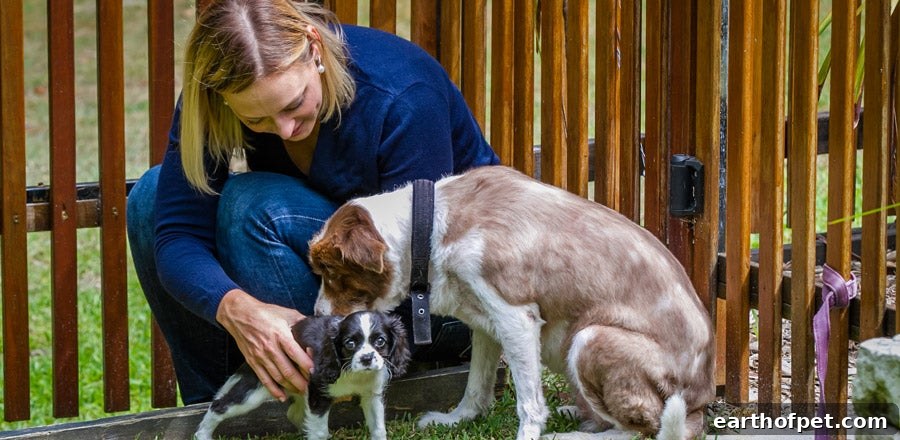
Young children and pets alike may not understand their limits, so they should never be left alone together. Close adult supervision prevents accidents, protects both the child and the animal, and creates teaching moments that build lifelong skills.
Check out our 5 tips on how pets can teach responsibility:
1. Chores teach responsibility. Assigning age-appropriate pet care tasks—such as filling a water bowl, brushing a coat, or helping with feeding—gives children a tangible way to contribute to family life. These small responsibilities build confidence and encourage independence. To keep motivation high, try simple reward systems like a sticker chart or a routine checklist so kids can see their progress and take pride in caring for a pet.
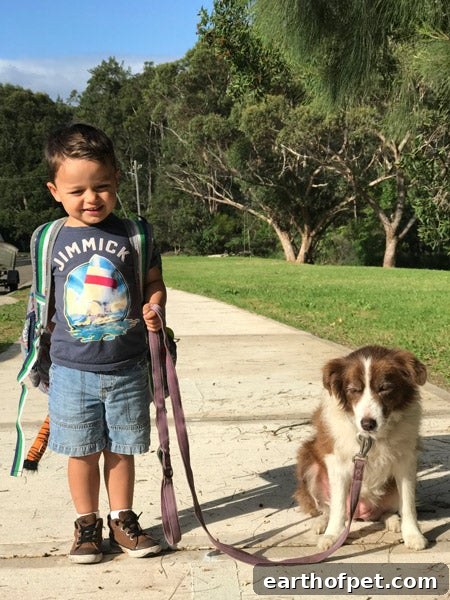
2. Live an active life. Walking or playing with a dog offers children practical, hands-on experience with pet care while promoting family fitness. Parents should accompany younger children to ensure safety and teach proper leash handling and crossing streets. Regular outdoor time benefits pets and kids alike by providing exercise, fresh air, and opportunities for bonding.
3. Companionship beyond the physical. Pets provide emotional support and unconditional affection that can strengthen a child’s sense of self-worth. Interacting with animals helps children learn empathy, patience, and how to tune into another being’s needs. Some research has indicated that children who grow up with pets may develop stronger prosocial behaviors, such as caring for others and showing kindness—qualities that last into adulthood.
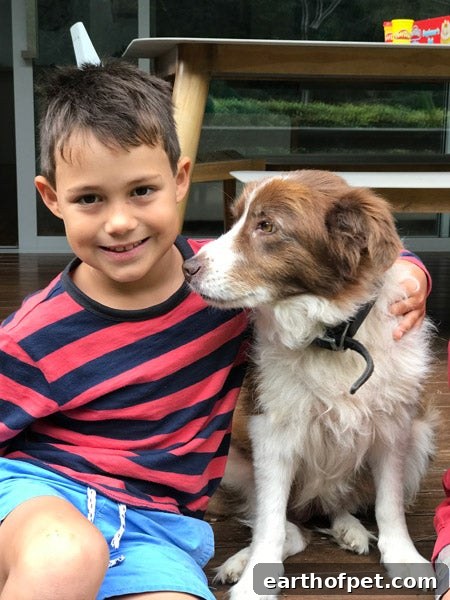
4. Understanding the world. Caring for a pet opens natural opportunities to discuss life lessons with children—growth, change, illness, and sometimes loss. These conversations help children develop emotional literacy and coping skills. For many kids, losing a pet is their first experience with grief; guiding them through that process with openness and age-appropriate explanations helps them process emotions and builds resilience.
5. Teaching dog safety. Teaching children how to approach animals respectfully is essential for their safety and the animal’s well-being. Encourage kids to ask an owner’s permission before petting a dog, to approach slowly with an open hand, and to avoid sudden movements or loud noises. Help children learn basic canine body language—such as when a dog is relaxed versus when it’s anxious—so they recognize when to give space. Reinforce rules like avoiding rough play, not disturbing a dog while it’s eating or sleeping, and always having adult supervision with unfamiliar animals.
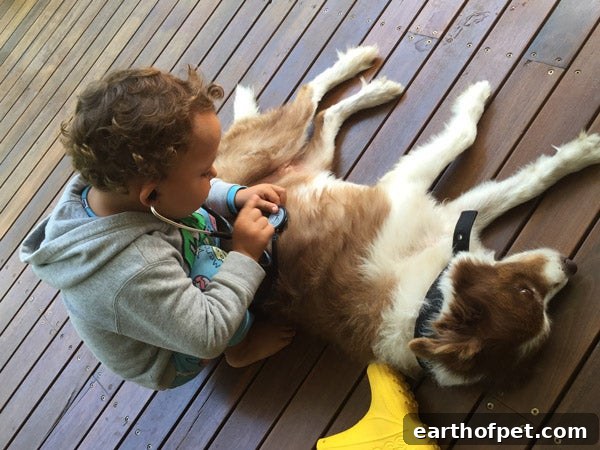
Helping kids and pets become respectful, caring partners starts with modeling good behavior, setting clear expectations, and supervising interactions. Family routines that include pet care, gentle instruction, and consistent praise for responsible choices will reinforce positive habits.
On National Kids and Pets Day, take time to celebrate the bond between children and their animal companions while reinforcing safety, responsibility, and kindness. Share your moments and memories on social media using #NationalKidsAndPetsDay and #WellnessPetFood if you choose, and most importantly, enjoy the rewards of watching kids and pets grow together.