This guide to canine diabetes offers practical, reassuring advice on caring for a diabetic dog and monitoring their condition without added stress. A diabetes diagnosis can be worrying, but with consistent care most dogs can live full, active lives. This article explains causes, signs, monitoring, treatment, diet, exercise, and everyday management so you can feel confident supporting your pet.
An Introduction to Dog Diabetes
Canine diabetes develops when several risk factors align. Some dogs are genetically predisposed, and additional health or lifestyle issues can trigger clinical disease. Early recognition and steady management make a major difference to outcome and quality of life.
What Causes Canine Diabetes?
Most cases of diabetes in dogs result from inadequate production of insulin, the hormone that controls blood sugar. This can happen when the immune system damages the pancreas, after pancreatitis, or as a consequence of genetic predisposition. Other conditions can reduce tissues’ ability to respond to insulin, making the hormone that is present less effective. These include obesity, Cushing’s disease, hypothyroidism, acromegaly (excess growth hormone), and chronic infections.
Dog Breeds at Increased Risk of Diabetes
Certain breeds are more likely to develop diabetes, including Australian Terrier, Standard and Miniature Schnauzers, Bichon Frise, Spitz, Fox Terrier, Miniature Poodle, Samoyed, Cairn Terrier, Keeshond, Maltese, Toy Poodle, Lhasa Apso, and Yorkshire Terrier. This does not mean a purebred dog will definitely develop diabetes; only a small percentage do. Keeping dogs lean, active, and healthy reduces the risk.
What are the Signs of Diabetes in Dogs?
Early signs of diabetes are often general and can resemble other illnesses. Watch for changes from your dog’s normal habits. The sooner you spot a problem, the easier it is to treat and the fewer complications your dog is likely to experience.
- Increased drinking: You find yourself refilling the water bowl more often.
- Frequent urination: The dog needs more toilet breaks or has accidents indoors.
- Constant hunger: The dog begs or scavenges despite regular meals.
- Weight loss: The dog loses weight despite a healthy appetite.
As the disease progresses, additional signs may appear:
- Cataracts: A cloudy lens can reduce vision and lead to bumping into objects.
- Poor coat condition: Fur becomes dull, dry, or brittle.
- Distinctive breath odor: A smell reminiscent of nail polish remover can develop.
- Lethargy and weakness: The dog tires quickly, lags on walks, or shows less interest in playing.
- Severe complications: In extreme cases, uncontrolled diabetes can lead to coma.
If you notice any of these signs, seek veterinary attention promptly rather than waiting for them to resolve on their own.
A thirsty dog may be showing signs of an underlying health issue, such as diabetes.
Life with a Dog with Diabetes
A diabetes diagnosis changes routine but does not mean the end of a happy life. With proper management most dogs remain active and comfortable.
Life Expectancy
Average survival after diagnosis is reported at around 2.7 years, though dogs with good glucose control can have little or no reduction in life expectancy. This highlights the importance of early and consistent management.
Changes to Routine
Diabetic dogs typically need a structured daily routine: scheduled meals and regular insulin injections, plus ongoing observation of appetite, thirst, activity and behavior. Predictability helps keep blood glucose levels steady.
Alerts to Catastrophe
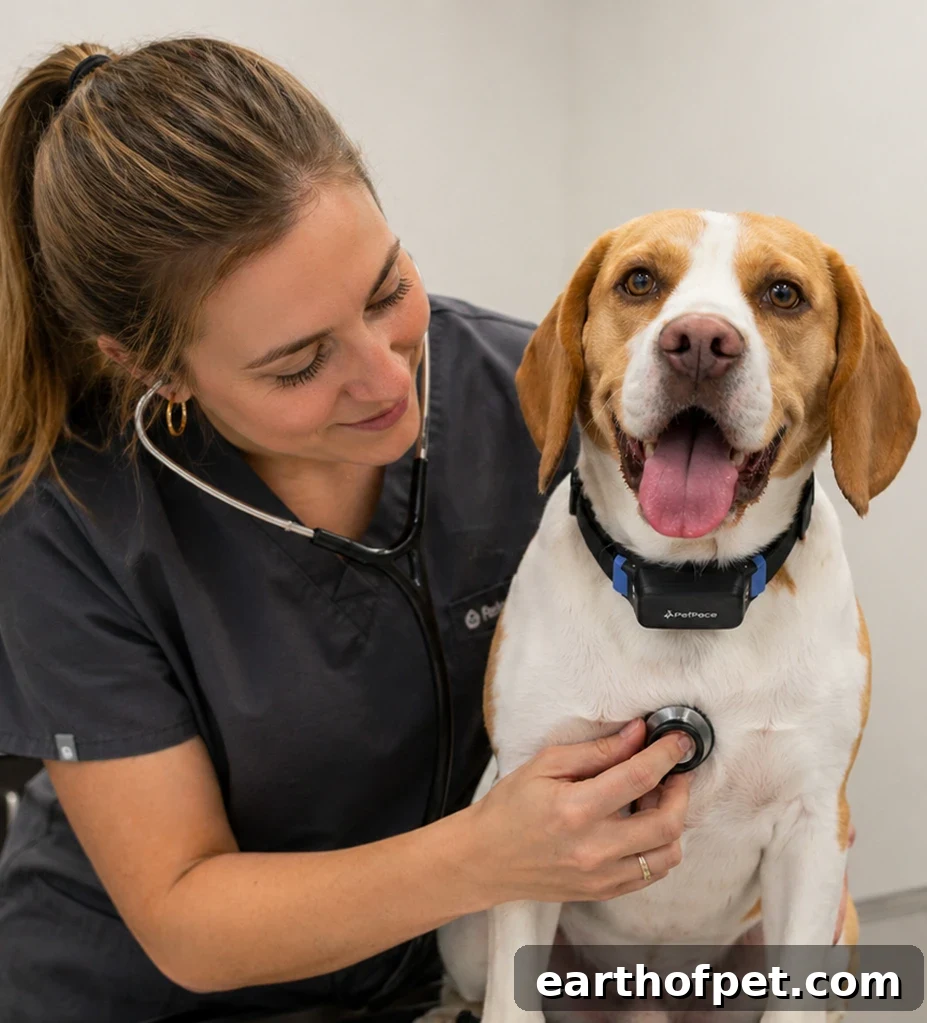
If you cannot be physically present to notice sudden deterioration, a monitoring collar such as a PetPace collar can help. These devices track activity, breathing patterns and heart rate and send data to your phone, providing early warning if health metrics change and allowing you to act quickly.
Monitoring Blood Sugar Levels
Management differs from human diabetes. Dogs commonly receive insulin injections once or twice daily rather than frequent dosing. Your veterinarian may run a blood glucose curve while adjusting insulin to find the right dose. With training, owners can use a glucometer at home; otherwise this testing can be done at the clinic.
Blood glucose monitoring serves two main purposes:
- To determine and refine the proper insulin dose.
- To detect dangerously low blood sugar (hypoglycemia).
Urine dipstick testing can also be useful to check for glucose and for ketones. The presence of ketones indicates the dog is metabolizing fat due to prolonged high blood sugar and requires veterinary attention.
Exercise and the Diabetic Dog
Excess weight complicates diabetes control, so a tailored weight-loss plan and consistent exercise regimen are beneficial. Keep activity levels regular: sudden, intense exercise can cause blood sugar to drop. Activity monitors can help you gauge daily exercise to avoid large fluctuations in energy expenditure.
Treating a Dog with Diabetes
Insulin Injections
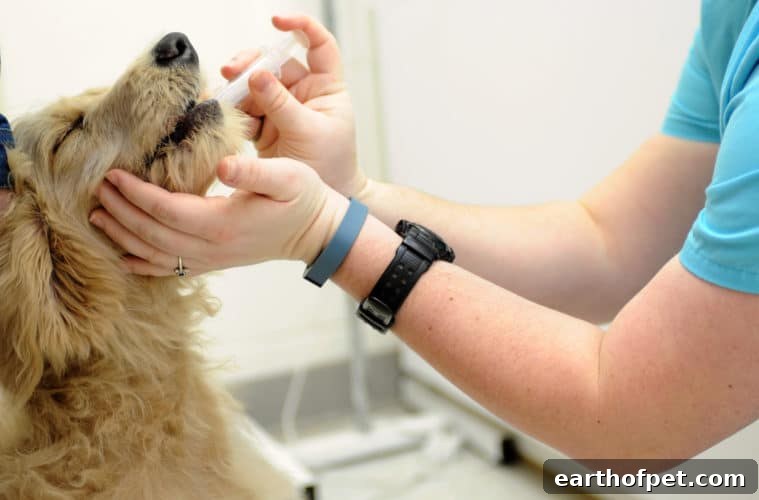
Insulin injections are the cornerstone of treatment. The veterinarian prescribes the type and dose and will demonstrate how to administer injections at home. Store insulin away from direct heat and light, and follow dosing instructions carefully. In general, insulin is given after the dog has eaten. If your dog refuses a meal, contact your vet—some advise giving a reduced dose, but guidance should come from your veterinarian based on your dog’s specific plan.
Doggie Diabetic Diets
Diet plays a key role in stabilizing blood sugar. Avoid high-sugar, highly processed foods. Foods rich in complex carbohydrates and fiber produce a slower, steadier rise in blood glucose and help prevent post-meal spikes. Whole foods like vegetables, rice, pasta and whole grains provide more sustained energy, but creating a balanced home-cooked diabetic diet can be challenging. Prescription diets formulated for diabetic dogs offer a reliable balance of soluble and insoluble fiber with appropriate carbohydrate sources to maintain steady glucose levels.
Keeping Things Steady
Managing a diabetic dog requires commitment and careful daily attention, but it is also deeply rewarding. A consistent routine of exercise, a diabetes-appropriate diet, scheduled insulin injections, and regular veterinary monitoring will help your dog remain healthy and comfortable. When you need remote reassurance, monitoring tools such as a PetPace collar can provide additional peace of mind.