Signs Your Dog Is in Pain and How to Detect It Early
Dogs can’t tell us when something hurts, so attentive pet owners need to recognize the subtle clues. While some pain is obvious—limping, yelping, visible injuries—many dogs suffer quietly. Internal or chronic pain often presents in small behavior and physiological changes that are easy to miss. Spotting these early indicators improves your dog’s comfort and can prevent a minor issue from becoming serious.
This article outlines seven commonly overlooked signs that a dog may be in pain and explains how continuous monitoring and new technology can help detect problems earlier.
1. Changes in Posture or Movement
Not all pain shows as a dramatic limp. If your dog hesitates to jump onto furniture, avoids stairs, or alters the way they sit or lie down, these could be early signs of discomfort in the back, hips, or abdomen. Pay attention to small asymmetries in gait or stiffness after rest—these subtle shifts often precede more obvious symptoms.
2. Decreased Activity or Lethargy
A reduction in playfulness, shorter walks, or reluctance to interact with family members or other pets are common signs of pain-related activity changes. Dogs in pain conserve energy to avoid movement that causes discomfort. If your usually energetic dog becomes less enthusiastic for exercise or play, consider pain as a possible cause.
3. Changes in Breathing or Heart Rate
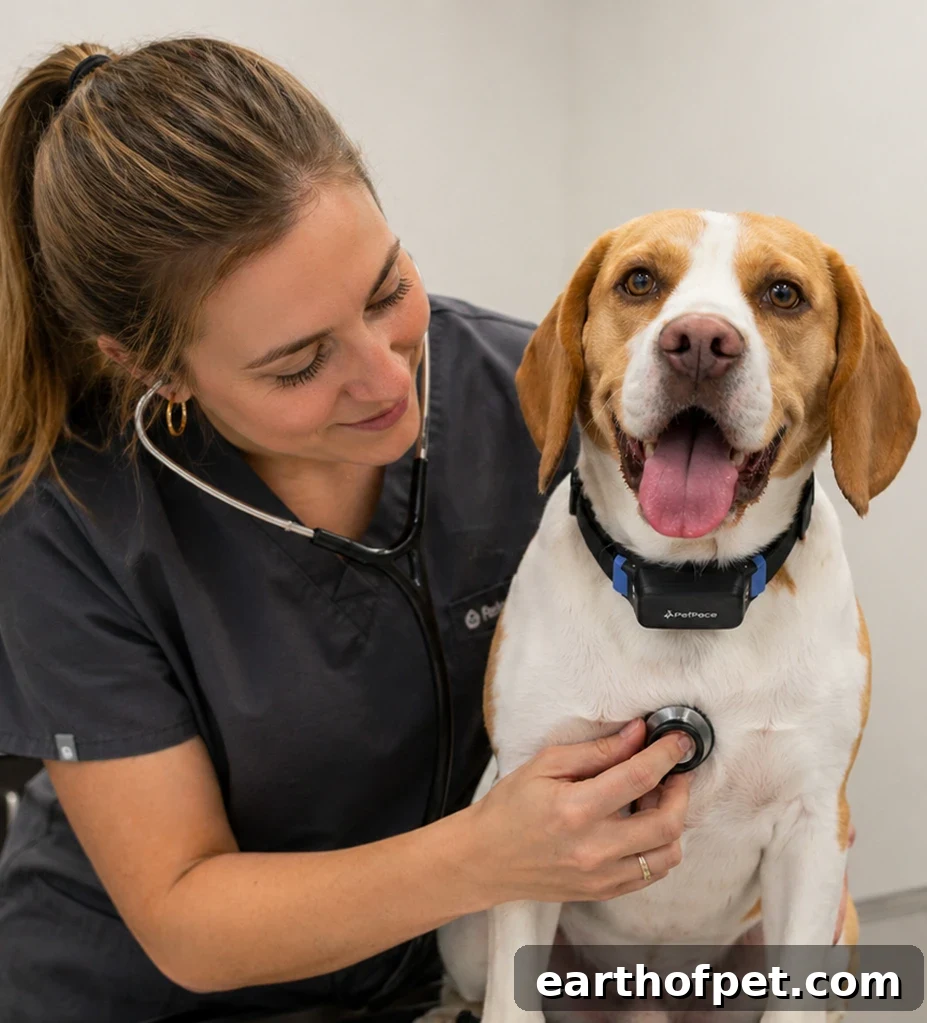
Pain can alter a dog’s breathing pattern and raise heart rate. These physiological signals are especially useful when tracked over time, because a one-time check at the vet may not reveal ongoing issues. Regular monitoring of respiration and cardiovascular rhythm can reveal trends that point to pain, stress, or illness long before outward symptoms appear.
Giving your veterinarian continuous data about your dog’s vitals—rather than snapshots from infrequent visits—helps create a clearer picture of their health and can speed diagnosis and treatment.
4. Excessive Licking or Chewing
Dogs often lick or chew at an area that bothers them, even when no visible wound exists. This can target a joint, paw, or the abdomen and may become a repetitive, self-soothing behavior. Left unchecked, persistent licking or chewing can damage skin and lead to secondary infections, so it deserves prompt attention.
5. Restlessness or Trouble Sleeping
You know your dog’s normal rest patterns. If they begin pacing at night, change positions frequently, or have trouble settling, pain may be making sleep uncomfortable. Changes in sleep quality are a common, but often overlooked, sign that something is wrong.
6. Behavior or Personality Changes
Behavioral shifts—withdrawal, increased irritability, snapping when touched, hiding—can indicate underlying pain. A dog that avoids contact or becomes uncharacteristically aggressive or anxious may be trying to protect a painful area. Any sudden change in temperament warrants a careful health assessment.
7. Changes in Eating or Drinking Habits
Pain can reduce appetite, make chewing uncomfortable, or make moving to and from food and water difficult. Watch for skipped meals, slower eating, decreased water intake, or unexplained weight changes. These signs can accompany many causes of discomfort and should prompt further observation or veterinary consultation.
How Do I Know if My Dog Is in Pain? Ask the Data.
Obvious injuries are easy to spot, but internal discomfort, chronic conditions, and subtle pain can be missed. Continuous monitoring of a dog’s vital signs and behavior provides objective information that complements your observations and your veterinarian’s exams. Real-time data helps catch trends—changes in heart rate, activity, sleep quality, and posture—that indicate pain even when no visual signs are present.
Smart Monitoring and Pain Detection Technology
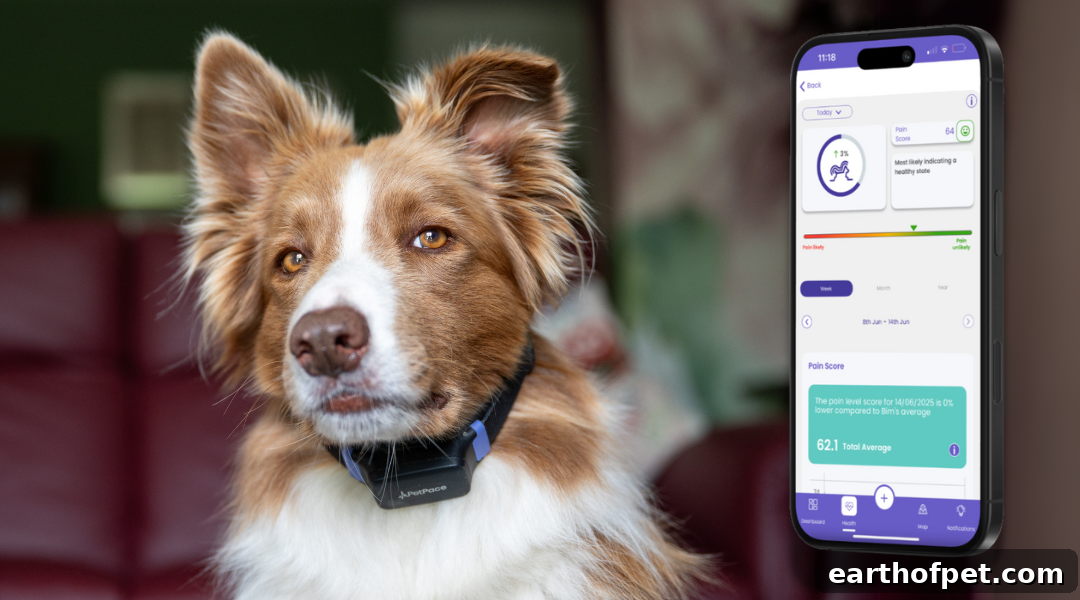
Advanced health collars and wearable monitors can track key physiological and behavioral metrics around the clock. These devices collect data like heart rate, heart rate variability, activity levels, sleep patterns, and posture, then analyze trends that correlate with discomfort. Veterinary-approved algorithms can translate those trends into actionable alerts, enabling earlier intervention and more informed conversations with your vet.
Benefits of continuous, noninvasive monitoring include:
- Early detection of pain and health changes before they become severe.
- Objective, vet-grade scoring that complements in-clinic pain assessments.
- Real-time alerts sent to your phone so you can respond quickly.
- Long-term trend tracking for chronic disease management or recovery after surgery.
Act Sooner, Help More
By the time a dog shows clear signs of pain, they may have been suffering for days or weeks. Being proactive—observing subtle changes in movement, behavior, appetite, sleep, and vital signs—lets you get care sooner and improve outcomes. If you notice any of the signs described here, document what you observe and consult your veterinarian. Combining careful observation with continuous monitoring tools gives your vet the data needed to diagnose and treat pain more effectively.
Your dog depends on you to notice the small changes. With vigilance and the right tools, you can detect pain earlier and help your pet stay more comfortable and active for longer.
Learn more about advanced pain detection technology for dogs and how continuous monitoring can support your pet’s health.