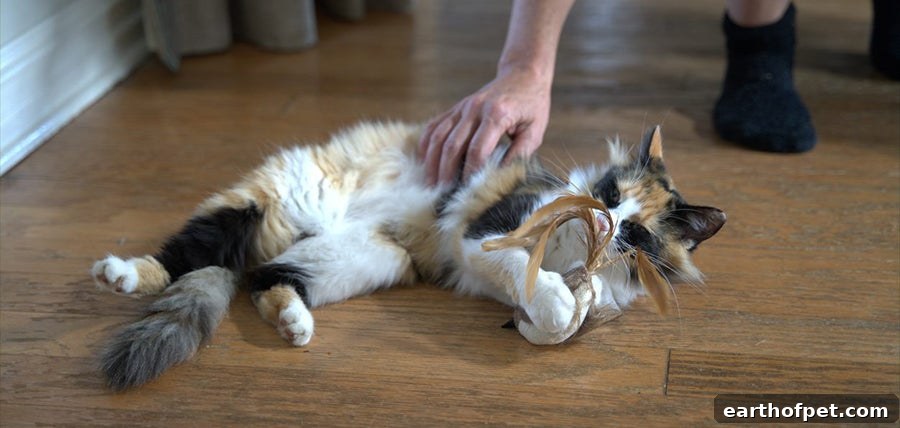
Cats are unique among pets: they know what they want and will communicate clearly when something is off. Like people, cats rely on good nutrition to feel their best. An upset stomach, constipation, diarrhea, or a diet high in artificial ingredients can make a cat uncomfortable and change behavior. Monitoring your cat’s habits and body language helps you spot problems early and support long-term digestive health.
Cats may not be human, but their need for nutrient-rich, minimally processed food is the same. Good digestion supports energy, a glossy coat, a stable mood, and overall wellbeing. Below are clear signs that indicate a cat is enjoying good digestive health—and practical tips to help you maintain it.
Signs Your Cat Has Good Digestive Health
When people feel unwell we often withdraw, move less, and show changes in posture. Cats show similar signals. Observing a cat’s stance, movements, vocalizations, and habits will reveal whether she’s comfortable and thriving. Watch for these positive behaviors as reliable indicators of healthy digestion and overall wellness.
1. Tail Posture:
A confident, comfortable cat often carries her tail upright, sometimes with a gentle curl at the tip. A high tail signals contentment and ease. If the tail is tucked low or thrashing, it can mean distress or discomfort—so a consistently high, relaxed tail is a good sign of digestive comfort.
2. Ear Posture:
Alert, forward-facing ears that sit upright indicate relaxation and curiosity. Flattened or pinned-back ears may point to pain or stress. Consistently relaxed ear positioning combined with normal activity levels usually reflects a healthy, settled digestive system.
3. Whisker Positioning:
Whiskers provide subtle clues: when a cat is relaxed and content, her whiskers sit naturally to the sides. Whiskers pulled back tightly toward the face can indicate discomfort or anxiety. Regular, normal whisker posture supports the impression of a comfortable, well-functioning gut.
4. Positive Play:
Play is a natural expression of a healthy cat. Regular stalking, pouncing, and chasing behavior shows physical energy and mental engagement. A cat that plays consistently is likely receiving the right balance of nutrients and energy for healthy digestion and activity.
5. Posture:
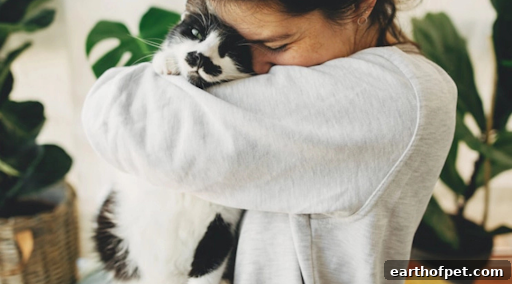
A content cat holds her head up, back straight, and moves with ease. Relaxed fur that lies flat against the body, limbs stretched when resting, or the familiar “loaf” position with paws tucked under are all signs of comfort. These relaxed postures often reflect internal comfort, including good digestive function.
While each cat is an individual, these behaviors tend to hold true across breeds and ages when digestive health is stable. In addition to posture and body language, pay attention to these supportive cues:
- Clear, almond-shaped eyes and normal pupil size
- Consistent purring, chirps, and welcoming meows
- Regular grooming and a clean coat
- Napping in favorite spots, including near you
- Slow blinks and relaxed facial expressions signaling trust
If you notice a loss of these behaviors or a sudden change in activity, appetite, or litter box habits, consult your veterinarian to determine whether digestive issues could be the cause.
Which Foods Promote Good Digestive Health in Cats?
Choosing the right food can feel overwhelming, especially with so many products on the market. Before making changes, discuss options with your veterinarian to account for your cat’s age, weight, and any existing health conditions. Below are practical guidelines to help you pick foods that support digestion.
Ingredients:
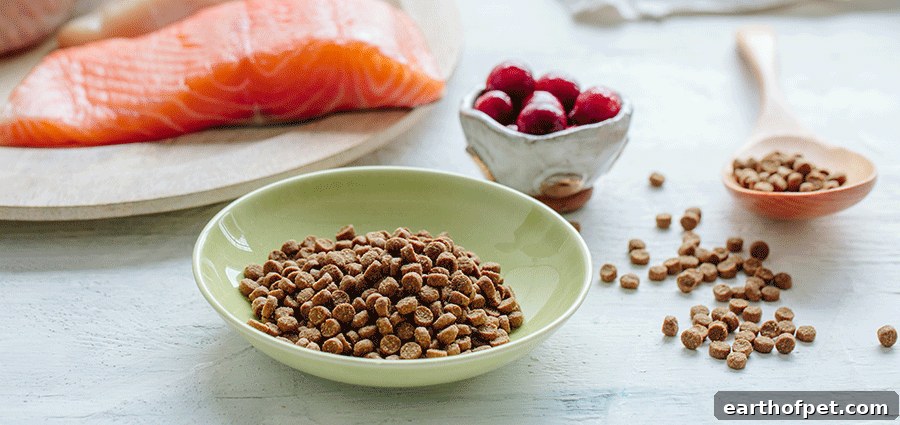
Read ingredient lists carefully. Foods heavy in fillers, by-products, or artificial additives may contribute to digestive upset in some cats. Look for products where high-quality animal proteins appear near the top of the list and that avoid unnecessary fillers. Ingredients such as natural fibers, probiotics, and digestible proteins can support gut health.
Directions:
Follow feeding guidelines on the package and adjust portions based on your cat’s activity level and body condition. Overfeeding can lead to weight gain and digestive upset; underfeeding can cause nutrient deficiencies and inconsistent stool. Maintain consistent meal times and measure portions to help stabilize digestion.
Limit Treats:
Treats are a great way to reward and bond with your cat, but they should be given sparingly and match the quality of regular food. Excessive treats can upset digestion and skew daily calorie intake. Read treat labels and keep treats to a small percentage of daily calories.
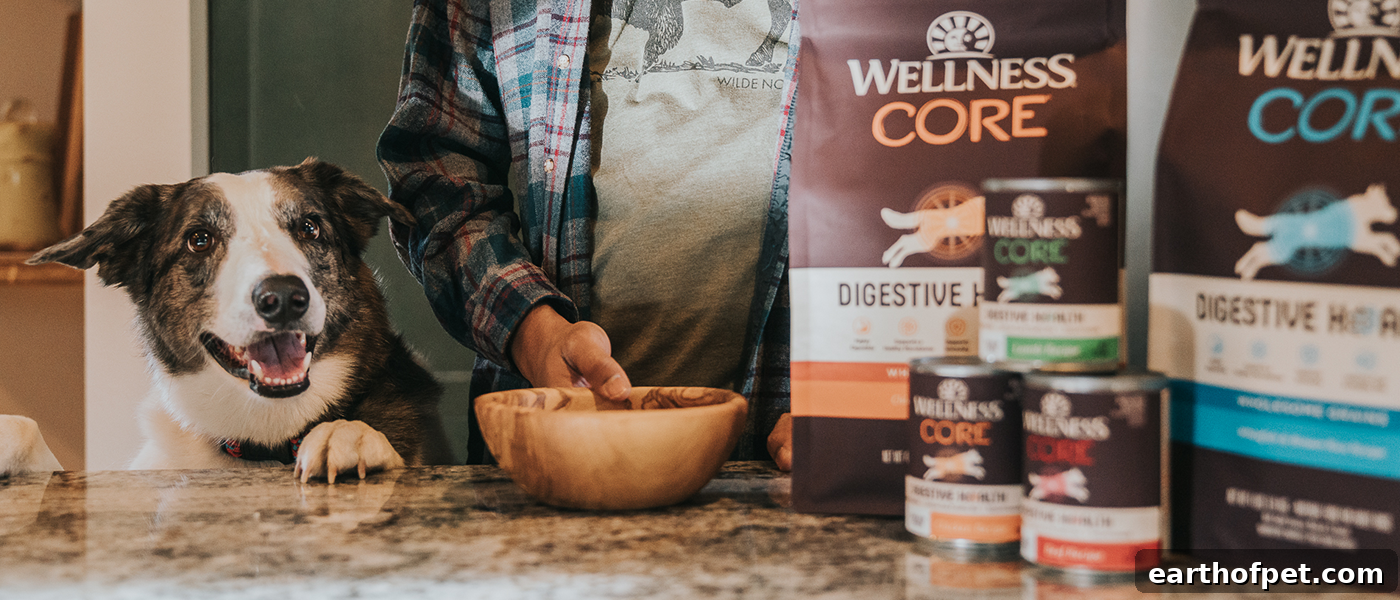
The gut influences mood and energy—often called the “second brain”—and cats respond to dietary changes much like humans do. If you’re considering a formula designed to support digestion, consider options labeled for digestive care and formulated with probiotics and digestive enzymes. For example, the Wellness CORE Digestive Health cat food line is marketed as containing probiotics and digestive enzymes and formulated without fillers. Always introduce new foods gradually and monitor your cat’s response.
When in doubt, consult your veterinarian for individualized recommendations. Regular checkups, consistent monitoring of appetite and litter box habits, and choosing quality nutrition will go a long way toward keeping your cat’s digestion—and overall health—in great shape.