Written by Robert Thomas of Marvelous Dogs
Training is a vital part of your dog’s growth, and effective reinforcement helps shape reliable behavior. Positive reinforcement—adding something your dog wants to increase desired actions—is widely recommended by trainers and animal organizations. The most common and useful form of positive reinforcement is simple: treats.
Because many dogs are highly food motivated, treats are an accessible and effective tool to teach commands and encourage good behavior. However, using treats poorly can reduce their effectiveness or even reinforce the wrong habits. Below are common mistakes owners make when rewarding their dogs with treats and how to correct them so training stays productive.
What Mistakes Could I Be Making When Using Training Treats For My Dog?
1. Using Low-Value Treats in High-Distraction Situations
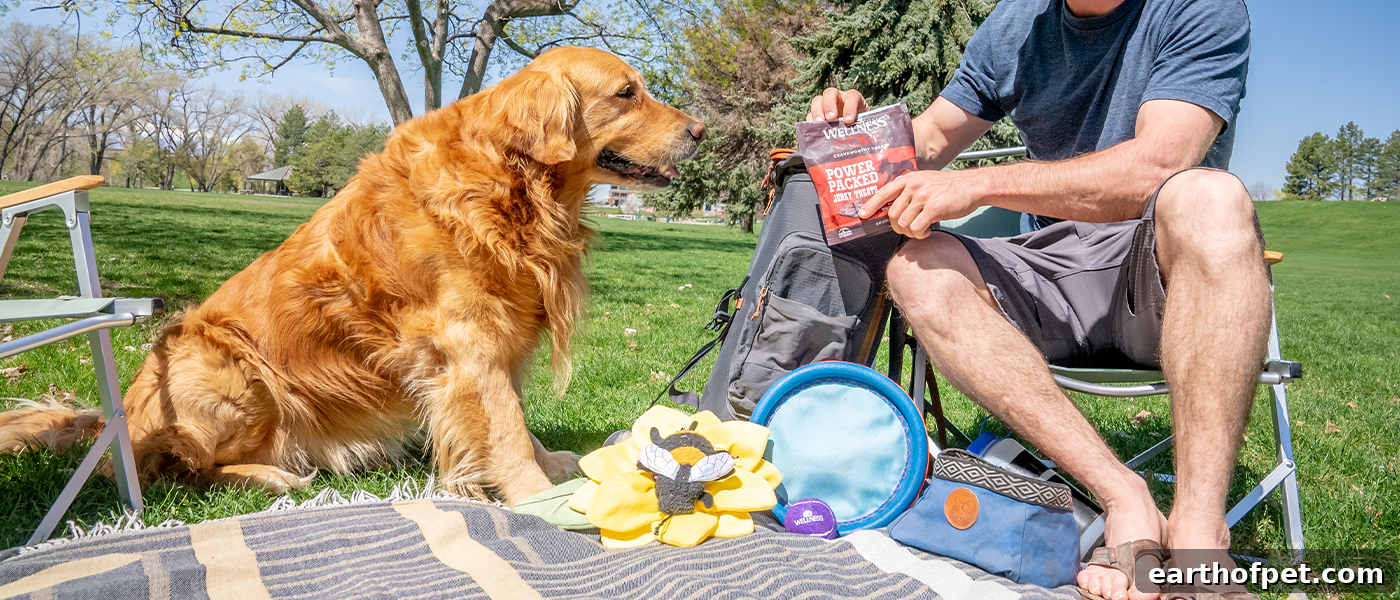
Treats should be motivating. In distracting settings—parks, busy streets, or around other animals—a low-value biscuit won’t compete with the environment. If a treat isn’t exciting, your dog has little reason to focus on your cue.
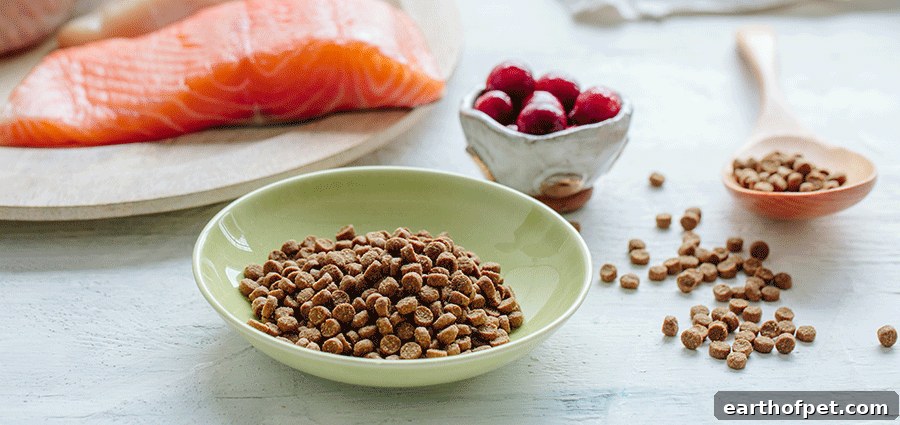
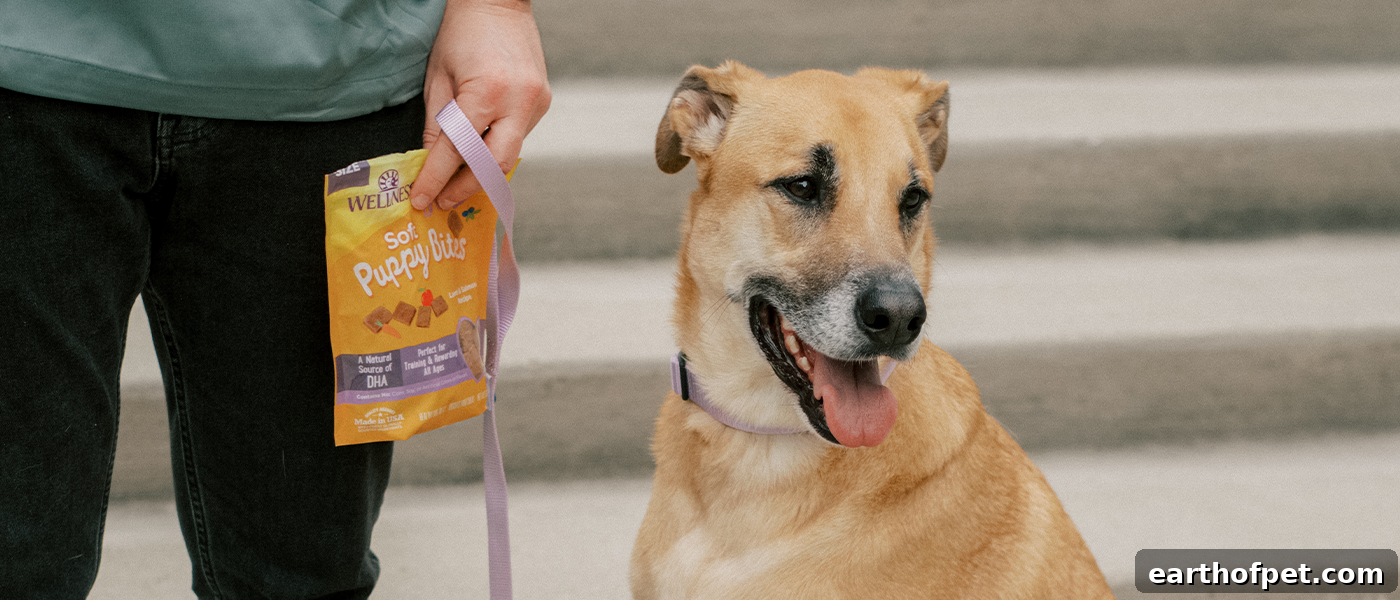
Reserve higher-value options—soft meat-based treats, freeze-dried liver, cheese, or other palatable morsels—for challenging environments or new behaviors. Save plain kibble or smaller rewards for low-distraction practice. Moderation is key: high-value treats should be used strategically to maintain motivation without overfeeding.
2. Showing the Treat the Whole Time
Treats are a tool for guidance and reward, not a bargaining chip. If you constantly show treats while asking for a behavior, your dog may perform only because of the visible food, not because they understand the command. This creates a dependency where your dog expects a visible reward before cooperating.
Instead, keep treats hidden in your hand or pocket until the behavior is completed. Present the reward only after your dog has followed the command so they associate the action itself with the positive outcome.
3. Delivering Treats Too Slowly
Timing matters. Dogs have a short window of association between an action and its consequence. If you delay the reward by several seconds, your dog may not link the treat to the behavior you intended to reinforce.
Deliver the treat immediately after the desired behavior so the connection is clear. If you need to praise first, use a consistent marker word (like “Yes!”) or a clicker to mark the exact moment, then give the treat right away.
4. Rewarding from the Wrong Position
When your dog completes a position-based command—sit, down, stay—reward them while they remain in that position. If you place the treat where they must get up to reach it, you unintentionally reinforce getting up instead of staying put.
Hold the reward near their nose or hand it to them without encouraging movement. This helps them understand that maintaining the requested position is what earns the reward.
5. Rewarding Poor Behavior
Never give treats after a dog has behaved badly and then returned or corrected themselves on their own. For example, if a dog bolts off-leash and you call them back later before rewarding them, you may have inadvertently taught them that fleeing leads to attention and treats when they eventually return.
Instead, prevent risky behavior with solid recall training and controlled practice. If a correction is needed, use non-food consequences or calmly remove the reward until the dog shows the desired behavior reliably.
6. Relying Solely on Treats
Treats are powerful, but they shouldn’t be the only reinforcement you use. Relying exclusively on food can create a dependency where your dog expects a treat every time. Combine treats with toys, physical affection, verbal praise, play, or a favored activity.
As the behavior becomes consistent, gradually reduce treat frequency and replace some rewards with praise or play. This transition helps your dog respond to cues even when a food reward isn’t immediately available.
7. Reverting to Treats When Your Dog Ignores a Command
Use treats to teach new behaviors, not to bribe a dog that knows a command but chooses to ignore it. If a dog skips a cue because they’re distracted or stubborn, pulling out a treat to coax them into compliance reinforces that ignoring you will produce a food incentive.
Instead, reassert control: regain attention, use a leash or gentle guidance to help them into position, repeat the command, and reward only when the behavior is executed without reliance on visible treats. This builds respect for the cue itself.
Use Treats Wisely
Treats are a practical and effective element of positive reinforcement when used thoughtfully. Choose appropriate-value rewards, time them precisely, and pair them with other forms of reinforcement so your dog learns to respond reliably in different situations.
If you notice any of the mistakes above in your training routine, correct them promptly. With consistent timing, appropriate treat selection, and varied rewards, treats will help you build stronger communication, better behavior, and a more responsive, confident dog.