November is a month to honor senior pets, and it’s the perfect reminder to give extra attention and care to the older cats and dogs who hold a special place in our hearts. Senior pet care focuses on prevention, comfort, and quality of life—helping pets live their later years with health, mobility, and dignity. Below are six essential tips for caring for senior dogs and cats.
1. The Regular Checkup
Annual checkups are important at every stage of a pet’s life, but they become even more critical as pets age. While a common rule of thumb once compared dog years to human years using a simple multiplier, the reality is more complex: the first year of a medium-sized dog’s life roughly equals 15 human years, the second year equals about nine human years, and each year after that is closer to five human years. Because pets age at different rates than people, frequent veterinary exams help catch health issues early.
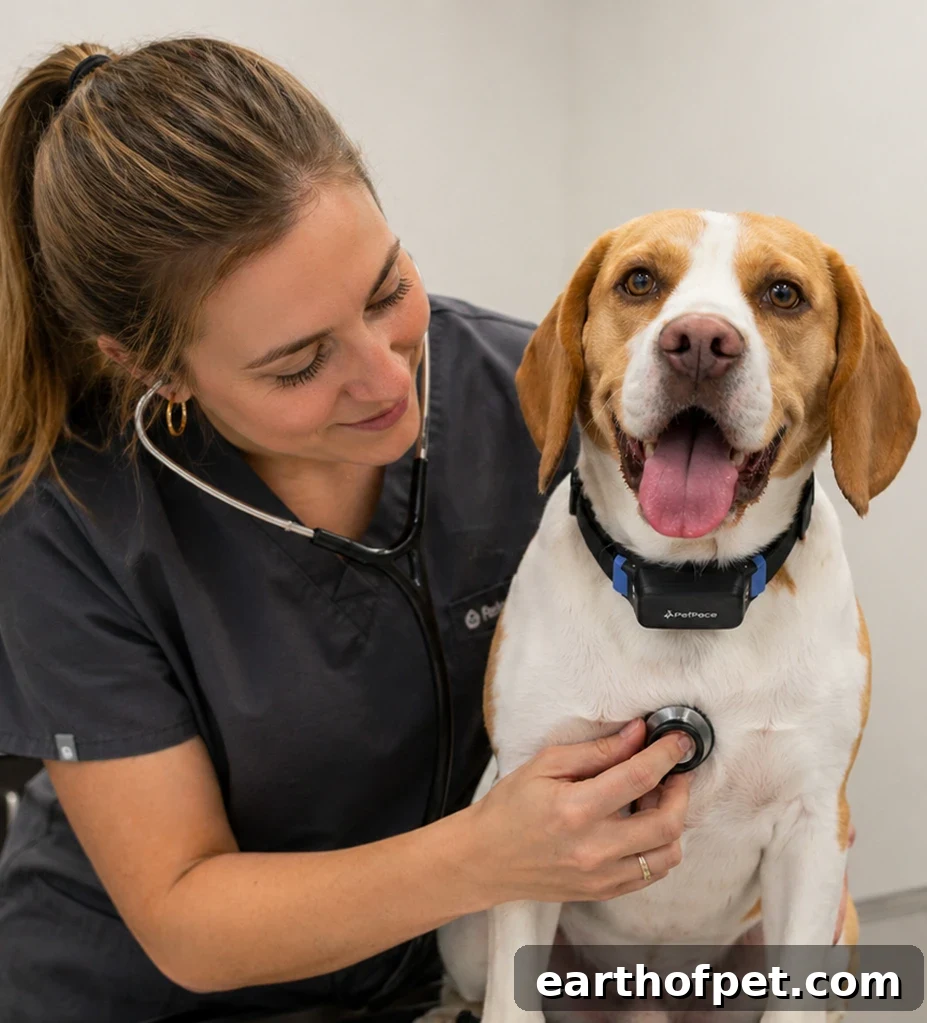
For many senior pets, twice-yearly wellness exams are recommended. During these visits, your veterinarian will assess weight, dental health, mobility, organ function, and behavior, and may suggest bloodwork or other diagnostics to detect developing conditions before they become advanced.
2. Good Teeth, Long Life
Oral health is a strong indicator of overall health. Tartar and bacteria in the mouth can contribute to inflammation and may affect the heart, liver, and kidneys if left untreated. Daily brushing with a veterinarian-approved pet toothpaste and a pet-friendly toothbrush is one of the best habits you can establish. Regular professional dental cleanings, when recommended by your vet, are also important.
Choose dental chews, toys, and treats designed to reduce plaque and promote healthy gums. If your pet resists brushing, ask your veterinarian or a veterinary technician for tips to gradually introduce dental care in a stress-free way.
3. Let’s Get Physical
Keeping senior pets active is essential for maintaining mobility, joint health, and mental wellbeing. Even as energy levels decline, regular, gentle exercise helps control weight, supports muscle tone, and reduces the risk of obesity-related conditions such as diabetes. Tailor activity to your pet’s abilities: short walks, leash-appropriate outings, indoor play sessions, gentle fetch, or supervised swimming can all be excellent options.
If your pet has arthritis or limited mobility, work with your veterinarian to build a safe exercise plan. Physical therapy, low-impact activities, and controlled movement can preserve function and extend quality time together.
4. You Are What You Eat
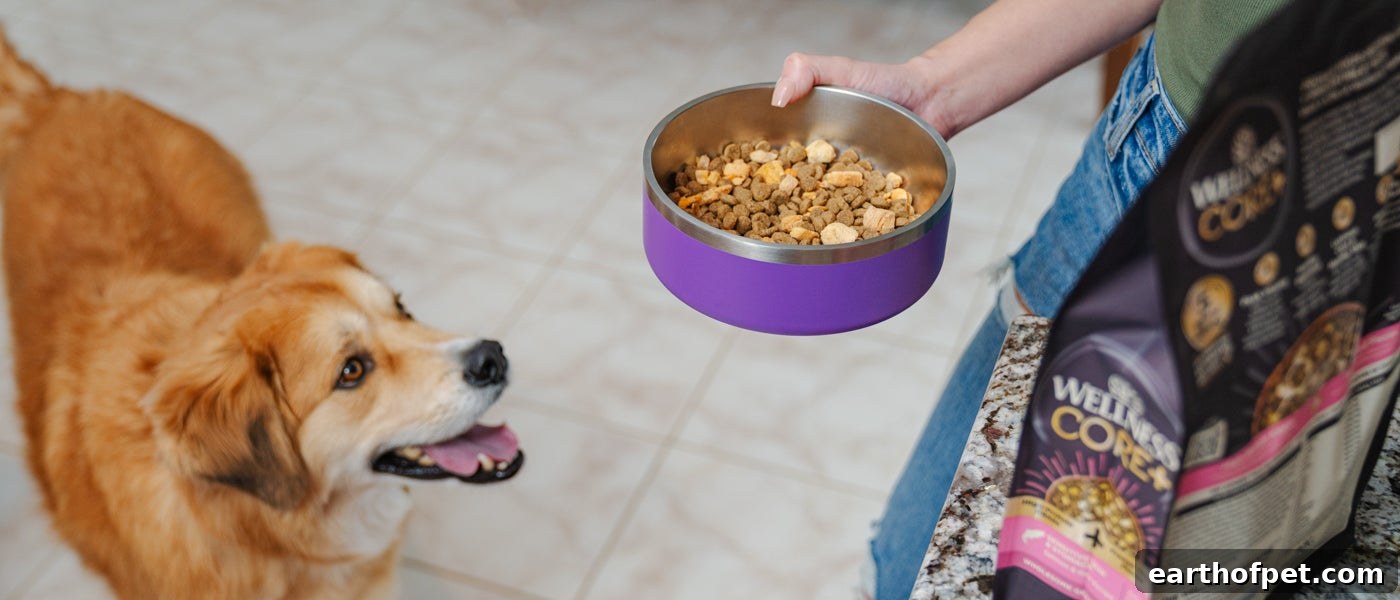
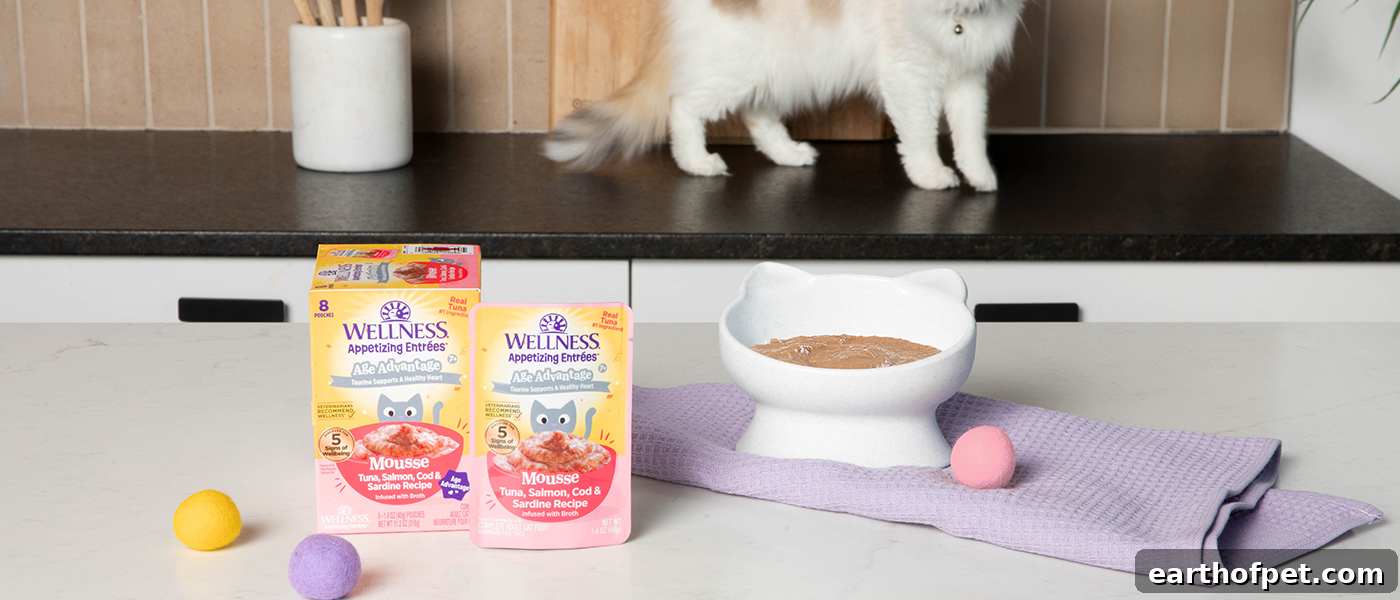
Nutrition plays a direct role in aging. High-quality ingredients and balanced nutrients are especially important for senior pets, whose caloric needs and protein requirements may change. Senior formulas often focus on appropriate calorie levels, joint-support nutrients, and ingredients that support digestive health and weight management.
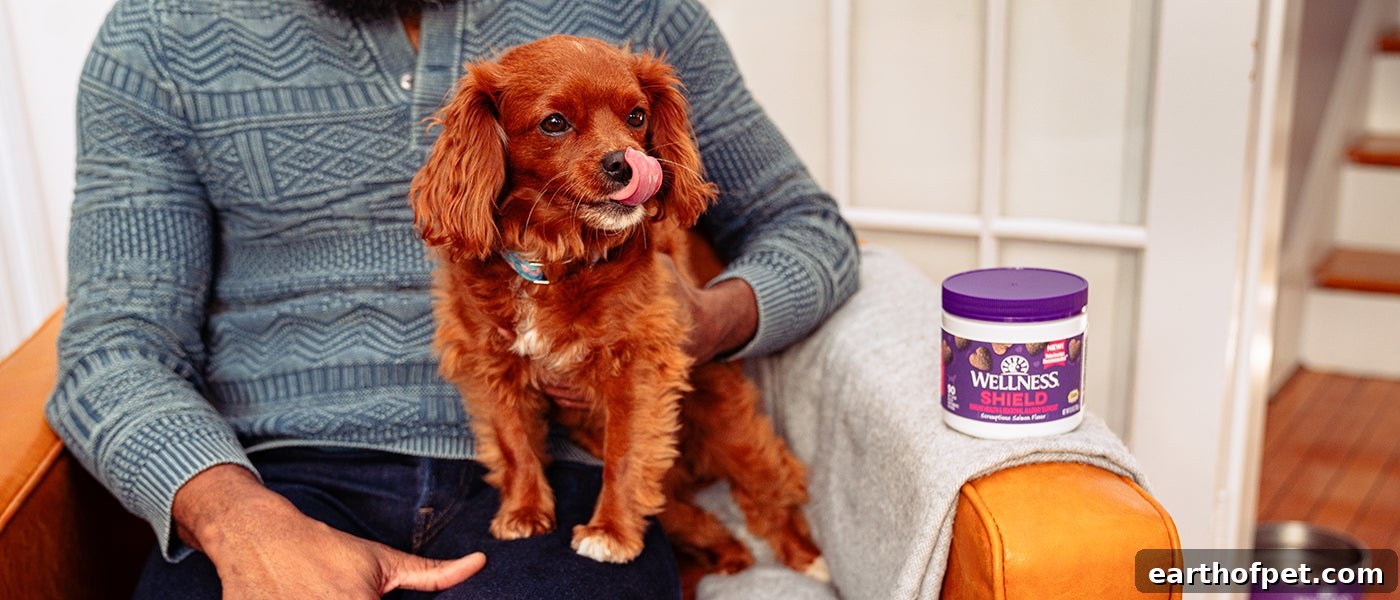
Read ingredient lists and choose foods formulated for older pets, taking into account any specific medical needs such as kidney or liver support. Consult your veterinarian before making a major diet change, and consider transitioning gradually to reduce digestive upset. Supplements—when recommended by your vet—can also support joints, skin, and coat health.
5. The Better to See You With, The Better to Hear You With
Vision and hearing changes are common in older pets. Cataracts, age-related vision decline, and partial hearing loss can alter how pets interact with their environment. Recognizing these changes early and adapting your home can reduce stress and keep your pet safe.
- Keep pathways to food, water, and sleeping areas clear and well-lit.
- Maintain a consistent furniture layout so a visually impaired pet can navigate easily.
- Provide an accessible outdoor relief area or place indoor pads near sleeping areas if mobility or recognition of outdoor routines becomes difficult.
- Walk dogs on a leash outdoors; they may not hear or see hazards approaching.
- Talk with your veterinarian about supplements or treatments that may help with age-related sensory changes.
6. Patience is a Virtue
Senior pets often need more patience and gentle care. They may move more slowly, sleep more, or have occasional accidents even if they’ve been house-trained for years. Respond with compassion and practical adjustments: add ramps or steps to help access beds or cars, provide soft, supportive bedding, use non-slip mats on slippery floors, and place food and water at a comfortable height.
Prepare for changing needs by childproofing problem areas, scheduling regular vet visits, and keeping a calm routine. Small changes—like warmer bedding in colder months or elevated feeders for pets with neck pain—can make a big difference in comfort and mobility.
We love senior pets and support feeding and caring for them with thoughtful nutrition and attentive care. If you’re concerned about any change in your senior dog or cat—behavior, appetite, mobility, or grooming—contact your veterinarian. Early detection, consistent care, and plenty of affection can add meaningful, healthy years to the life of a cherished companion.