The Importance of a Healthy Diet
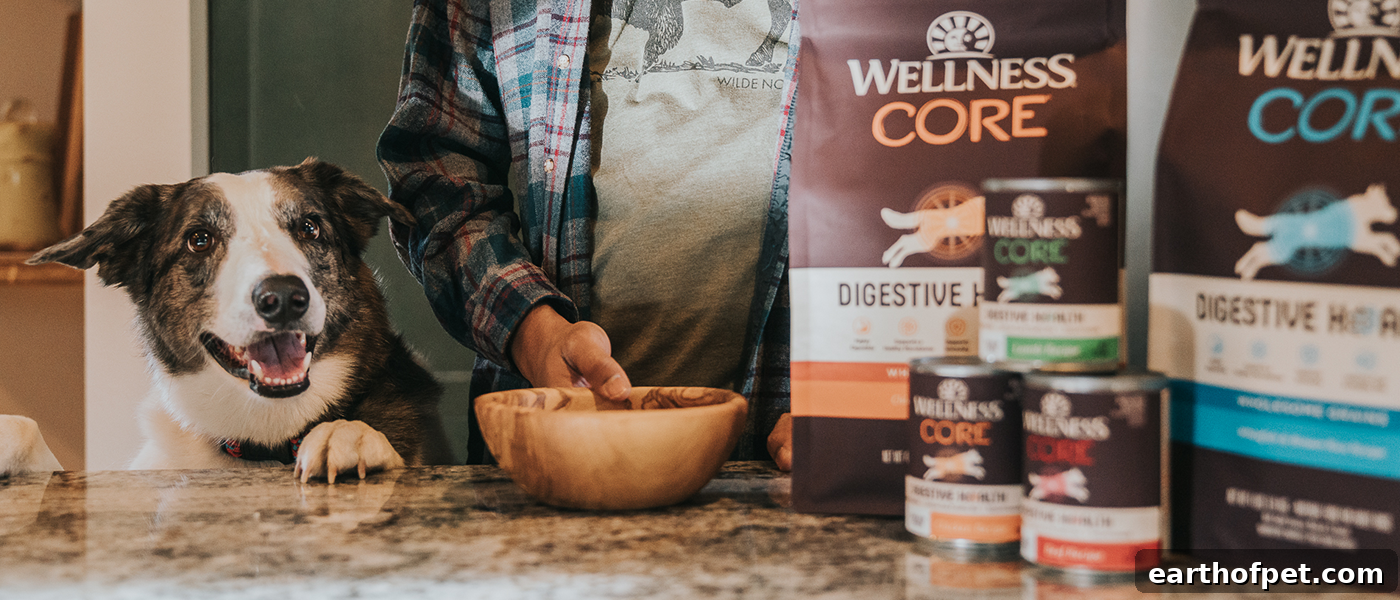
Feeding your dog a nutritious, age- and breed-appropriate diet is one of the most important things you can do for their long-term health. Whether your pet is a puppy, an adult, or a senior, their nutritional needs will change over time. Tailor meals to your dog’s size, activity level, and any medical conditions they may have. If you are unsure which diet is best, consult your veterinarian to develop a plan that supports growth, maintenance, or recovery as needed.
A balanced diet can come from high-quality commercial foods or carefully prepared homemade meals. If you choose to prepare food at home, work with a veterinary nutritionist or your vet to ensure meals supply complete and balanced nutrition. For commercial diets, read labels to confirm the food meets recognized nutritional standards and is formulated for your dog’s life stage.

Portion control is essential to prevent overfeeding and the many health problems associated with excess weight. Measure portions according to guidelines on the product label and discuss adjustments with your veterinarian based on your dog’s body condition and activity level. Remember to include calories from treats and table scraps when calculating daily intake. Moderation is key: treats should make up only a small portion of daily calories and should be factored into your pet’s overall diet plan.
Look for signs that your dog’s diet may need adjustment: changes in energy level, coat quality, stool consistency, or body weight. Any sudden or persistent changes should prompt a vet visit for evaluation and dietary guidance. For dogs with allergies, sensitivities, or chronic illnesses, specialized diets can support specific needs—always follow professional advice when implementing therapeutic nutrition.
Keeping Your Pet Active
Regular physical and mental exercise keeps dogs healthy, reduces the risk of obesity, and improves overall wellbeing. Exercise needs vary widely by breed, age, and health status—high-energy breeds typically require more vigorous activity, while older or smaller dogs may do better with gentle walks and short play sessions. Aim for consistent daily activity that matches your dog’s capabilities.
Mental stimulation is just as important as physical activity. Puzzle toys, training sessions, scent games, and interactive play help keep your dog engaged and reduce boredom-related behaviors such as chewing or excessive barking. Vary routines to provide both predictable structure and new challenges.
Consider monitoring your dog’s activity with a reliable tracker to understand daily movement patterns and make informed decisions about exercise. Trackers can help you ensure your dog is getting enough exercise, and they can reveal changes in activity that might indicate health problems. Always introduce new exercise routines gradually and consult your veterinarian if your dog has any medical conditions that may affect their ability to exercise.
Regular Visits to Your Veterinarian
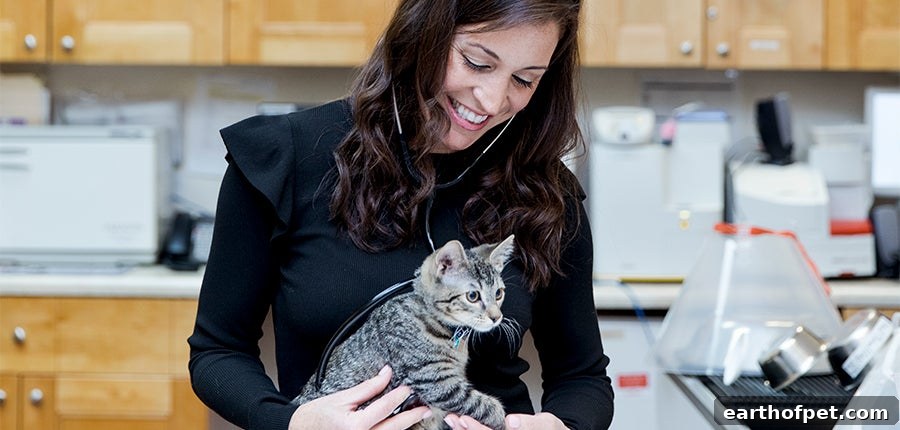
Consistent veterinary care is a cornerstone of responsible pet ownership. Regular checkups help prevent disease, identify emerging health issues early, and keep vaccinations and parasite prevention up to date. Healthy adult dogs typically benefit from at least one annual exam; puppies and senior dogs often need more frequent visits. Your vet will recommend the appropriate schedule based on your pet’s age, lifestyle, and medical history.
During routine visits, your veterinarian can evaluate weight and body condition, review diet and exercise plans, and recommend diagnostic testing when necessary. Early detection of changes in behavior, appetite, or mobility allows for timely intervention and better outcomes. Keep an open line of communication with your vet and bring up any concerns you notice between appointments.
How Can a Smart Dog Collar Optimize Your Pet’s Health?
Modern smart collars can be a valuable tool to help you monitor your dog’s wellbeing between veterinary visits. Devices designed for pet health tracking commonly monitor activity levels, sleep patterns, and sometimes physiological signals such as heart rate or temperature. Integrated GPS functionality can also help you locate a lost pet quickly, while activity and rest data give you insight into daily habits that can influence nutritional and exercise planning.
A veterinarian-developed smart collar, like PetPace Health 2.0, provides continuous monitoring and alerts you to potential irregularities so you can respond sooner. These collars typically pair with a smartphone app to display trends, receive notifications, and share data with your veterinarian when needed. Smart collars are not a replacement for professional veterinary care, but they are a practical complement—helping detect subtle changes that might otherwise go unnoticed.
When choosing a smart collar, consider factors such as comfort and fit, battery life, accuracy of sensors, and data privacy. Proper fit is essential for reliable readings and your dog’s comfort; follow manufacturer instructions for sizing and placement. If you notice unusual alerts from any device, consult your veterinarian for interpretation and next steps.
By combining a balanced diet, consistent exercise, routine veterinary care, and thoughtful use of monitoring technology, you can significantly improve your dog’s quality of life. Small, consistent actions—measured feeding, varied physical and mental activity, regular health checks, and smart monitoring—help keep your pet healthier and happier for years to come.