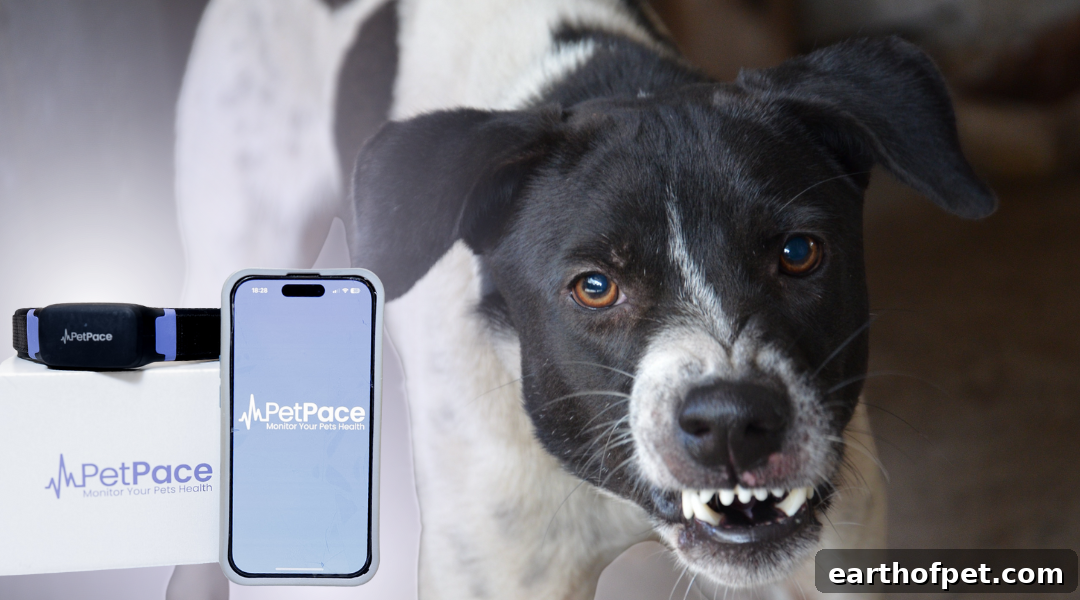
It’s a scene many dog owners fear: a normally affectionate dog growls at a visitor, lunges at another dog, or snaps when startled. Your first thought may be, “Is my dog becoming aggressive?” But often the behavior stems not from dominance or malice, but from anxiety. Distinguishing fear-driven responses from true aggression is essential—for your peace of mind and for your dog’s health and safety.
Dogs, like people, experience anxiety in varied ways. Some become withdrawn or tremble; others react defensively or become highly reactive. Behaviors that look aggressive—growling, lunging, snapping—are frequently attempts to cope with fear, stress, or overwhelm rather than deliberate attempts to harm.
Anxiety in Disguise: How Fear Can Look Like Aggression
Fear-related reactions can easily be misread as aggression. When a dog feels trapped, startled, or threatened, its instinct is to protect itself. Common anxiety-driven behaviors that may be mistaken for aggression include:
- Growling, barking, or stiffening when approached
- Snapping or nipping when touched unexpectedly
- Guarding food, toys, or resting places
- Strong reactivity to other dogs, strangers, or certain environments
- Pacing, whining, destructive chewing, or other signs of distress when alone
In many cases the dog is not trying to establish dominance; it is communicating discomfort or attempting to reduce a perceived threat. Recognizing the emotional root of the behavior is the first step toward helping your dog feel safer.
What Causes Fear-Based or Anxiety-Related Behaviors?
There isn’t a single cause, but several factors commonly increase the risk of fear-driven reactions:
- Poor early socialization: Limited exposure to people, animals, and environments during the critical puppy period can leave dogs less confident.
- Traumatic experiences: Abuse, abandonment, accidents, or frightening events can trigger lasting fear responses.
- Separation anxiety: Dogs that form intense attachments to their owners may become distressed when left alone.
- Pain or medical issues: Discomfort makes many dogs more irritable and prone to defensive behavior.
- Life changes or inconsistency: Moving, new family members, or erratic routines can increase stress.
Accurately identifying triggers—whether environmental, medical, or social—helps target interventions and reduce the likelihood of reactive episodes.
Practical Steps to Help an Anxious Dog
When anxiety is the underlying problem, positive, consistent strategies work best. Consider these proven approaches:
- Seek professional guidance: Work with a certified trainer or veterinary behaviorist who uses force-free, reward-based methods and has experience with reactive dogs.
- Establish predictable routines: Regular feeding, walking, and rest schedules help build a sense of security.
- Create safe retreats: A quiet room, a comfortable crate, or a designated bed can serve as a calm refuge when your dog is overwhelmed.
- Use enrichment and calming tools: Puzzle feeders, long-lasting chews, controlled exercise, and anxiety wraps can reduce stress. Discuss supplements or medications with your veterinarian when appropriate.
- Practice gradual desensitization and counter-conditioning: Systematic, low-stress exposure to triggers paired with positive rewards can reshape a dog’s emotional response over time.
- Monitor progress and be patient: Changing fear-based behaviors is gradual—consistent small gains add up.
- Track physiological signals: Using heart rate variability (HRV) monitoring or other health-tracking tools can reveal stress patterns that precede behavioral episodes, helping you intervene earlier.
How HRV Relates to Stress and Anxiety
Heart Rate Variability (HRV) is the variation in time between consecutive heartbeats. In both humans and animals, HRV is a useful indicator of how well the nervous system adapts to stress. Generally, higher HRV signals a more flexible, resilient response system, while lower HRV can reflect stress, fatigue, or underlying health issues.
When a dog feels anxious, HRV typically decreases. Stressful triggers—being left alone, meeting unfamiliar people or animals, or sudden loud noises—can reduce nervous system flexibility, and that change can be detected before outward behavior escalates. Consistent HRV monitoring gives you a clearer, earlier picture of your dog’s emotional and physical state, enabling proactive support.
Monitoring to Reveal What’s Under the Surface
Anxiety in dogs is often subtle at first, and even attentive owners can miss early warning signs. Continuous health monitoring devices that track vital signs and activity can help bridge that gap by showing how a dog’s body responds to specific situations. For example, collars that record HRV and heart rate can indicate whether stress spikes before a growl or lunge, helping you connect physiological signals with behavior.
Tracking these measures over time also reveals recovery patterns—how long it takes your dog to calm down after a trigger, changes in daily activity or sleep, and trends that suggest increasing or decreasing stress. That broader perspective supports more targeted training, better management strategies, and, when needed, veterinary intervention.
If your dog shows signs of aggression, don’t leap to the conclusion that they are simply “mean.” With careful observation, professional support, and tools that help you understand their internal state, you may find that your dog is acting out of fear. When you can see what they’re feeling and what provokes them, you can begin to address the root causes and help your dog feel safer and more confident.
Helping an anxious dog is a process of patience, education, and consistent care—but with the right approach, most dogs make meaningful progress and regain calmer, happier lives.