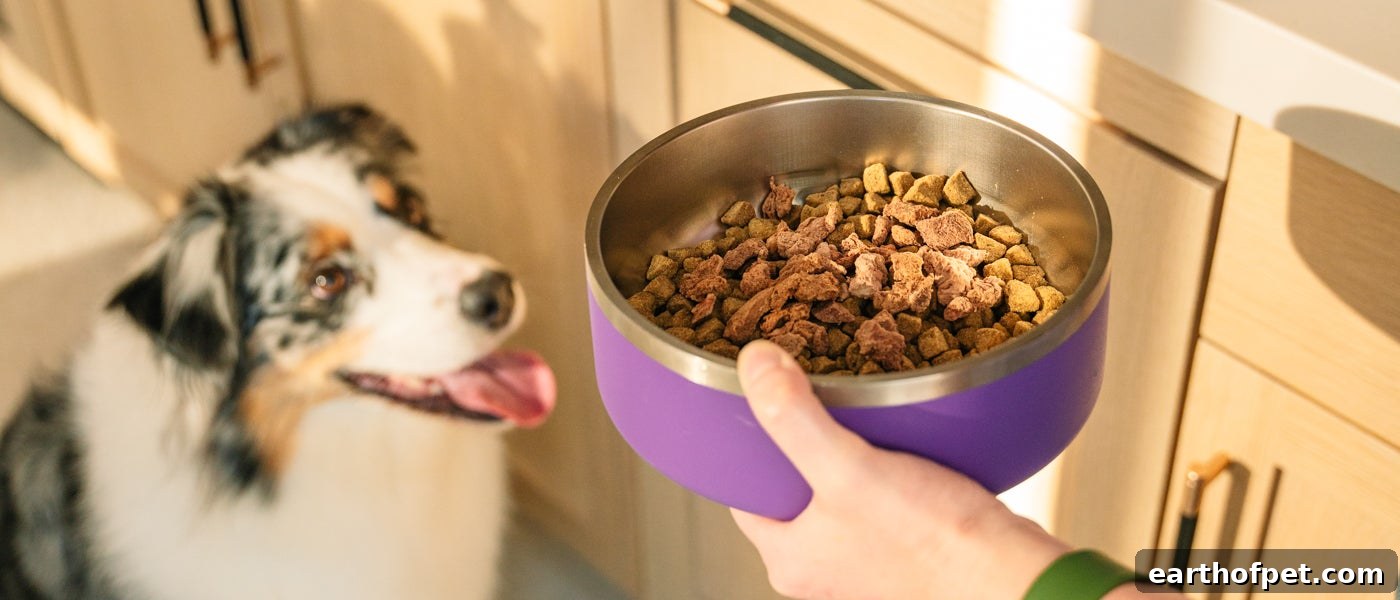
When it comes to our dogs, we want to keep them healthy and happy. Changing a dog’s food—whether to introduce variety, accommodate a health need, or address dental issues—can feel intimidating if you’ve never done it before. With a calm, step-by-step approach, switching from one formula or format to another can be smooth and stress-free for both you and your pet.
Why Choose Wet Dog Food
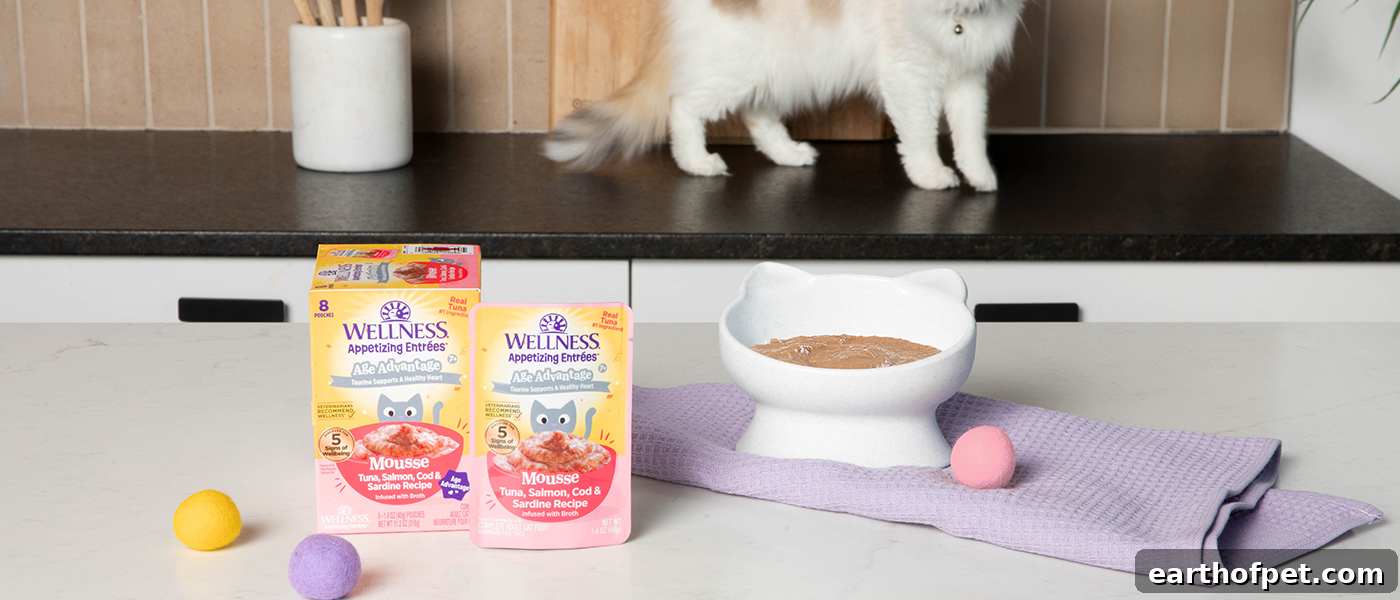
Many pet owners consider wet dog food when they want to add variety, improve palatability, or make eating easier for a dog with dental problems. Wet food contains more moisture, which helps support hydration and can be gentler on the digestive system. The soft texture and strong aroma often make wet food more appealing to picky eaters, helping them transition more readily than they might to another dry kibble.
When selecting wet food, opt for a high-quality, natural formula without unnecessary fillers or excess calories. If you feed wet food regularly, include dental care strategies—such as daily chewables or regular brushing—to help maintain oral health. Also remember that wet food must be refrigerated after opening; discard leftovers that have been sitting out too long and adjust portion sizes so bowls aren’t repeatedly wasted.
Why Choose Dry Dog Food
Dry dog food remains a popular and practical choice. It’s easy to store, typically more economical per serving, and convenient to measure and serve without refrigeration. Many quality dry diets are formulated to provide a complete and balanced nutrient profile tailored to different life stages and health needs.
When selecting a dry food, prioritize reputable brands and formulas that meet your dog’s life stage, size, and any special dietary requirements. Some dogs, however, have sensitivities or simply prefer different textures or flavors, so in those cases a wet food or mixed feeding approach may be more appropriate.
How to Transition Your Dog’s Food
Transitioning food gradually reduces the risk of digestive upset and helps your dog adjust to new flavors and textures. A typical gradual plan spans 7–10 days and mixes the old food with the new. Start with mostly the old food and a small portion of the new, then slowly shift the percentages each day.
- Day 1: 75% old food / 25% new food
- Day 2: 65% old / 35% new
- Day 3: 50% old / 50% new
- Day 4: 40% old / 60% new
- Day 5: 30% old / 70% new
- Day 6: 20% old / 80% new
- Day 7: 10% old / 90% new
- Day 8: 100% new food (if your dog tolerates the change)
If your dog normally tolerates diet changes well, you can shorten the schedule and increase the new food by 20–25% each day. If you notice vomiting, severe diarrhea, or a sharp decline in appetite, slow the transition and consult your veterinarian.
Tips and Tricks for a Successful Switch
Picky dogs may resist a new diet, but a few simple strategies can help improve acceptance:
- Stop free feeding. Move to two or three scheduled meals per day with measured portions to create structure and appetite.
- Limit mealtime. Offer food for about 20 minutes. Remove uneaten food afterward and try again at the next scheduled mealtime.
- Use toppers or mixers. A small amount of a tasty mixer or food topper can make new food more appealing while you phase it in.
- Use treats strategically. Occasional favorite treats can encourage interest in mealtime, but keep treats under 10% of daily calories.
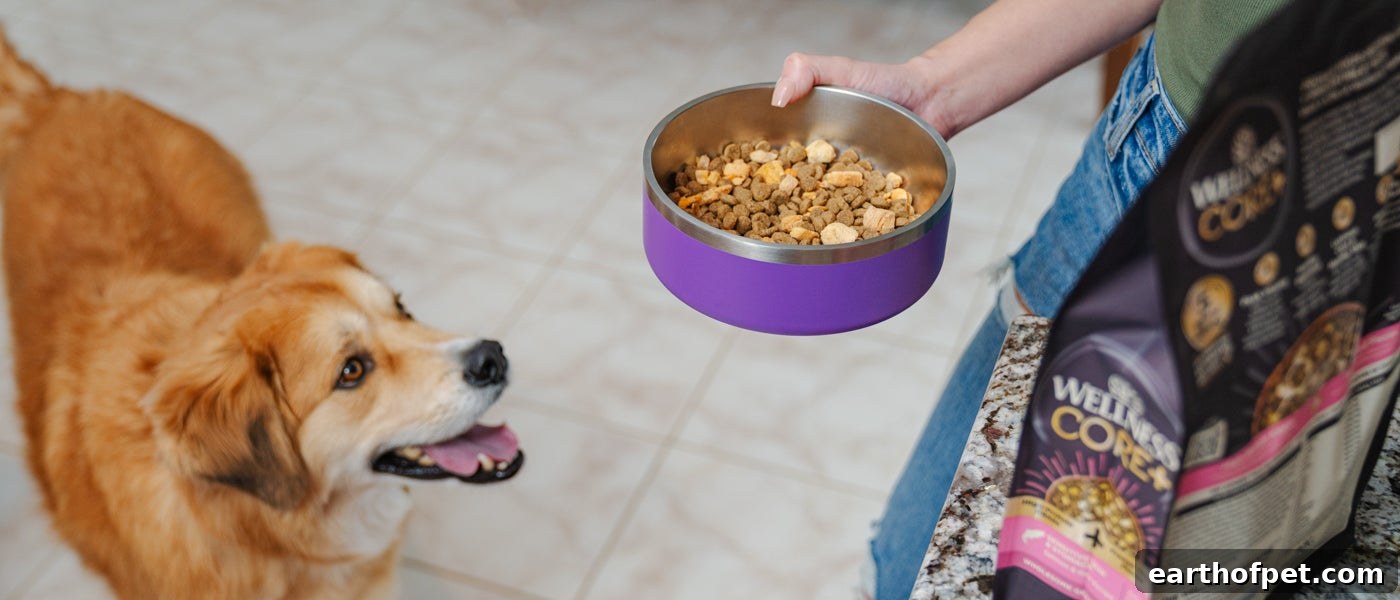
- Hand feeding. Offering a few pieces by hand can turn the new food into a positive experience and associate it with attention and reward.
- Enhance aroma. Warming wet food or adding a little warm water to dry kibble can intensify the smell, which some dogs find enticing.
- Try different flavors. If your dog rejects a food’s taste, try another protein or flavor before concluding the new format won’t work.
Dogs rarely starve themselves; most will eventually accept a new diet. Still, if your dog refuses food for more than 48 hours, shows signs of illness, or develops ongoing digestive problems during the transition, contact your veterinarian to rule out underlying issues and get tailored guidance.
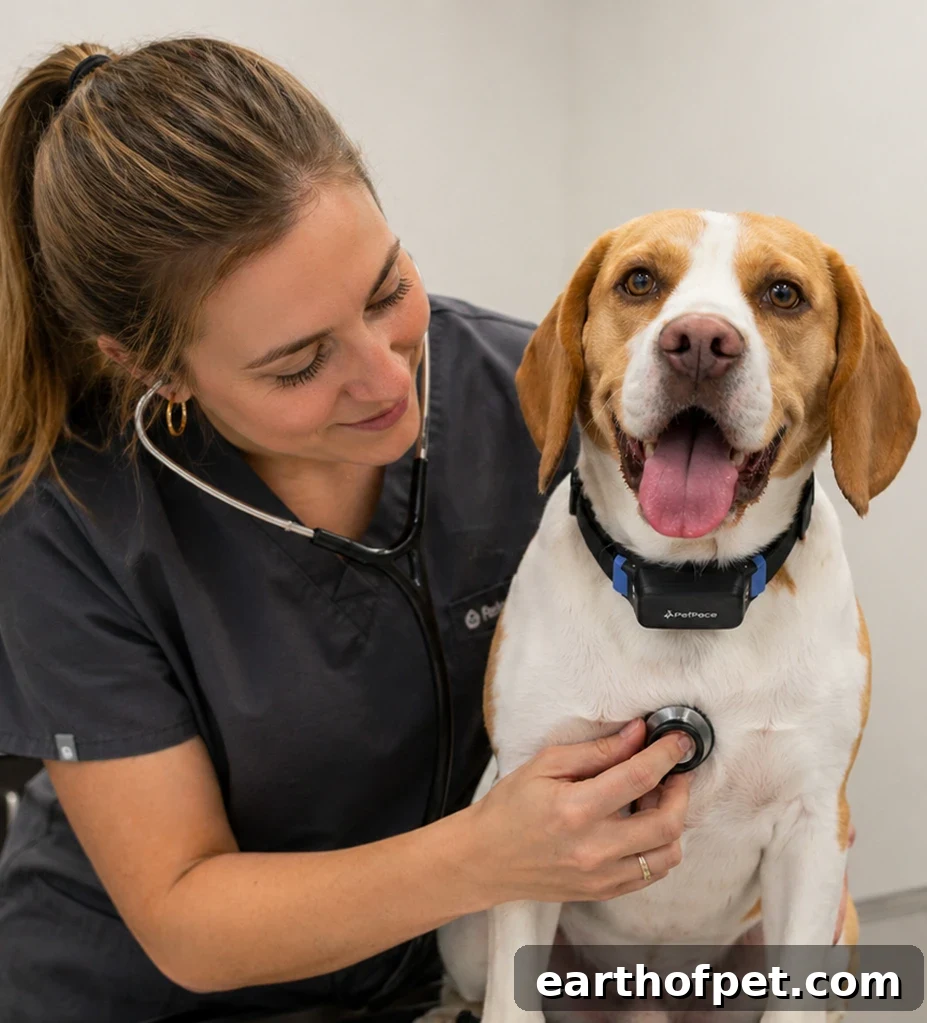
Every dog is unique, so adapting the plan to your pet’s age, health, and preferences is important. If you’re uncertain which products or transition schedule to use, consult your veterinarian for personalized advice that balances nutrition, dental care, and any medical needs.