A typical veterinary appointment lasts only 15–30 minutes. In that brief visit, a veterinarian checks vital signs, evaluates symptoms, and listens to the observations you share about your pet.
But most of a pet’s life happens outside the exam room.
Pets spend the vast majority of their day at home—resting, playing, eating, sleeping, and interacting with their environment. Small shifts in behavior, activity, or physiology can develop long before a vet appointment catches them.
So what happens during the other 23.5 hours of your pet’s day?
Advances in veterinary medicine and digital tools are beginning to bridge that gap, helping pet owners and clinicians better understand what pets experience between visits.
Why Veterinary Exams Provide Only a Snapshot
Veterinary exams are essential, but they capture health at a single point in time. Animals often behave differently in a clinic than they do at home—stress, excitement, or unfamiliar surroundings can temporarily alter heart rate, breathing, and activity.
Many health problems develop gradually and may not be obvious during one appointment. Examples of changes that often go unnoticed in the clinic include:
- Subtle reductions in activity over several days
- Altered sleep or rest patterns at night
- Slight increases in respiratory rate during recovery
- Behavioral shifts that appear only when the owner is away
Because those patterns usually unfold outside the clinic, they can be difficult to detect during traditional visits.
What Happens Between Vet Visits
Between appointments, pets experience thousands of hours of daily activity and rest. Their bodies continuously adapt to factors such as:
- Exercise and play
- Stress or environmental changes
- Recovery from illness
- Aging and chronic conditions
- Sleep cycles and rest patterns
These long-term patterns often hold important clues about overall health. Owners may notice changes—like decreased energy or unusual restlessness—but it can be hard to judge whether those signs are normal variation or warrant veterinary attention.
Can Remote Monitoring Reveal Daily Health Patterns?
Remote monitoring tools are increasingly providing a way to observe health trends outside the clinic. Wearable devices for pets can continuously track physiological and behavioral indicators throughout the day.
Depending on the technology, wearables may monitor:
- Activity levels
- Rest and sleep behavior
- Heart rate trends
- Respiratory rate patterns
- Estimated calorie expenditure
Rather than a single data point, these devices produce a timeline that shows how a pet’s indicators change over days or weeks. That historical context can be valuable when owners consult with veterinarians remotely.
How Health Data Can Support Remote Veterinary Consultations
Remote consultations have become more common for follow-up questions, early concerns, and management of chronic conditions. In these conversations, veterinarians rely heavily on the information owners provide.
Remote monitoring adds a measurable layer to those reports, allowing owners to reference objective trends rather than memory alone. Examples of useful data include:
- Weekly activity patterns
- Changes in sleep or rest behavior
- Trends in resting heart rate
- Alerts for unusual readings
While wearable data does not replace physical exams or diagnostic testing, it can contribute to more informed discussions about a pet’s health between visits.
Can Continuous Monitoring Help Detect Changes Earlier?
One advantage of continuous monitoring is the ability to establish an individual pet’s baseline over time. Once typical patterns are known, even subtle deviations become easier to recognize.
Owners and clinicians may notice signs such as:
- Falling activity levels before mobility issues are obvious
- Increased restlessness before digestive discomfort becomes apparent
- Shifts in breathing patterns during illness recovery
These observations are not diagnoses, but they can prompt timely veterinary advice and earlier intervention when appropriate.

Why Veterinarians Are Using Home Health Data
As digital tools become more common in veterinary practice, many clinicians are exploring how connected health technologies can complement traditional care. Remote consultations, wearable monitoring, and long-term health data combine clinical expertise with observations from everyday life, creating a fuller picture of a dog or cat’s health over time.
That broader view helps answer questions about what happens during the many hours a pet spends away from the clinic. While a veterinary visit may last only minutes, a pet’s health story continues through the other 23.5 hours each day.
How Owners Can Share Health Insights With Their Veterinarian
Many pet owners are now using health-monitoring platforms and smart collars to better understand daily patterns and share relevant trends with their veterinarian. These tools can collect indicators like activity, rest patterns, heart rate trends, and respiration, which may be useful when discussing behavior changes, recovery, or ongoing concerns.
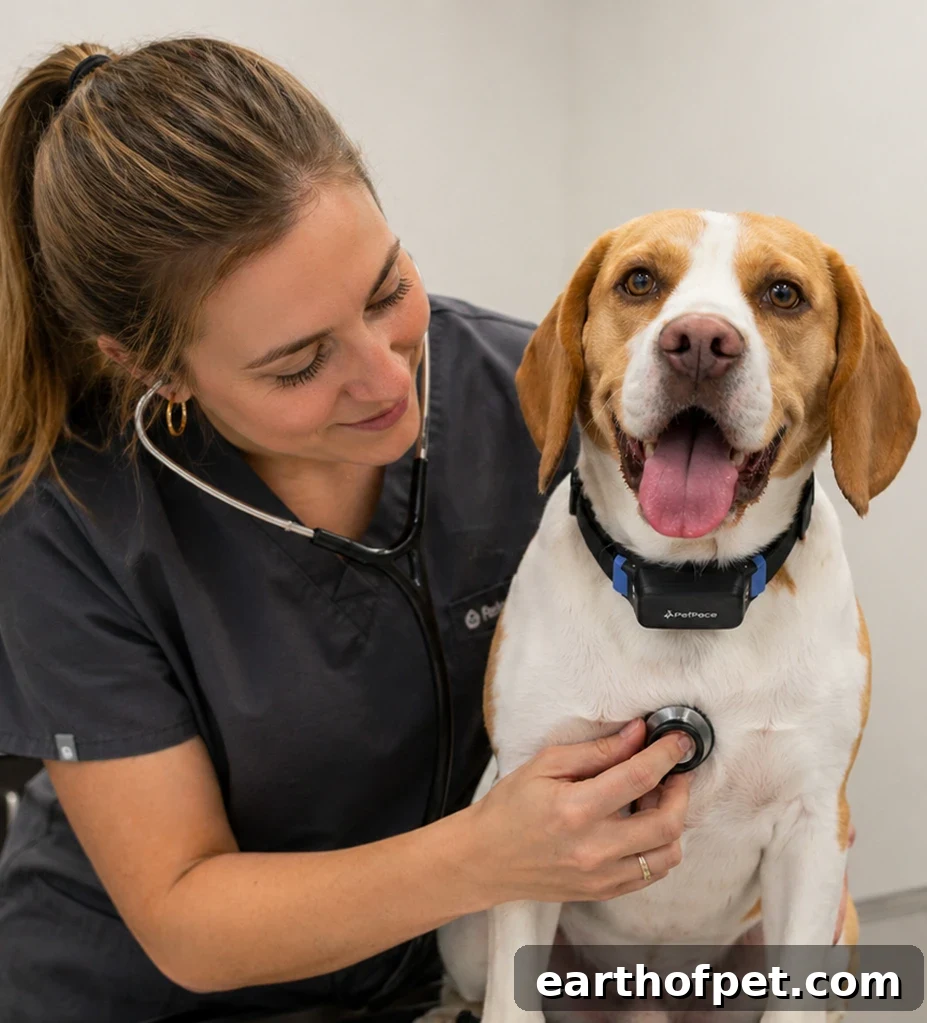
For example, the PetPace smart health collar is designed to monitor a range of indicators and facilitate communication with veterinary professionals. Features such as telemedicine support and data-sharing options can make it easier for owners and vets to collaborate on a pet’s care.
Technology won’t replace hands-on veterinary exams or diagnostic tests, but when used thoughtfully it can enhance communication, help detect changes sooner, and support better-informed decisions about a dog or cat’s wellbeing throughout the day and over the long term.