What if the difference between a dog eagerly chasing a ball and one struggling to climb the stairs came down to a single pound? It may sound surprising, but even a small amount of extra weight can place meaningful stress on a dog’s hips, knees, ligaments, and other joints.
Weight gain in dogs usually happens slowly: an extra treat here, a bit less exercise there. Owners often don’t notice the change, yet a dog’s joints feel every added ounce. Over time that steady strain raises the risk of reduced mobility, chronic discomfort, arthritis, and injuries such as cranial cruciate ligament (CCL) tears—the canine equivalent of a human ACL rupture.
Why Weight Matters More Than Most Pet Parents Realize
More than half of dogs in the United States are classified as overweight or obese, which means millions are carrying excess weight their bodies weren’t designed to support. The effects go far beyond appearance: research shows that overweight dogs have a higher likelihood of developing joint-related problems including:
- Arthritis
- Hip dysplasia
- Cruciate ligament injuries
- Reduced mobility
- Chronic inflammation
- Earlier onset of age-related joint decline
Each step, jump, or turn places force on the joints. Add extra pounds and that force multiplies. Picture hiking with a heavy backpack: your knees fatigue and ache after a while. For an overweight dog, that extra load is carried every hour of every day.
The Hidden Connection Between Weight and ACL Tears
Torn cranial cruciate ligaments are among the most common orthopedic injuries in dogs. Unlike many human ACL injuries that arise suddenly during sports, canine cruciate injuries often develop gradually. Chronic overload from extra weight can weaken supporting structures around the knee, making the ligament more vulnerable to a tear.
Certain breeds are predisposed to cruciate injuries, so weight management is especially important for them. Breeds with known higher risk include:
- Labrador Retrievers
- Golden Retrievers
- Rottweilers
- Newfoundlands
- Boxers
- German Shepherds
For these dogs, keeping lean body condition is one of the most effective preventive measures available.
Arthritis Doesn’t Happen Overnight
Many owners assume stiffness and slowed movement are simply part of getting old. While aging plays a role, excess weight can accelerate cartilage wear and joint degeneration long before a dog reaches its senior years. Extra pounds increase pressure on joint cartilage, promoting inflammation and contributing to the progression of arthritis.
Common signs that may indicate joint stress or early arthritis include:
- Difficulty rising
- Hesitation or trouble on stairs
- Less enthusiasm for walks or play
- Slower, stiffer movement
- Difficulty jumping into cars or onto furniture
- Stiffness after resting
These changes are often written off as “just getting older,” when excess weight may be an important and reversible factor.
Why One Pound Matters
Consider the “1-pound rule.” For a 20-pound dog, one extra pound is a 5% increase in body weight; for a 40-pound dog it’s 2.5%. That may not look dramatic to the eye, but joints register the difference. Veterinarians use Body Condition Scores rather than relying solely on scale weight because small changes in body composition—fat versus lean mass—can greatly affect mobility and health.
Maintaining an ideal body condition can:
- Reduce joint stress
- Improve mobility and comfort
- Support ligament health
- Preserve energy and activity levels
- Promote longevity and quality of life
Even modest, safe weight loss can produce meaningful improvements in how a dog moves and feels.
Weight Management Is Joint Management
Weight-control diets do more than lower calories. The best formulas support the whole musculoskeletal system by helping dogs lose fat while preserving lean muscle, which is essential for strength and mobility. Nutrition alone won’t rebuild damaged joints, but it can reduce the load on them and supply nutrients that help maintain cartilage and connective tissue.
The Science Behind a Healthy-Weight Diet
A well-designed weight management diet should help dogs reduce body fat while maintaining muscle mass. In feeding studies of specialized healthy-weight formulas, overweight adult dogs showed significant average weight loss over short periods and meaningful reductions in body fat percentage while preserving lean mass. These changes support improved mobility and reduce orthopedic risk factors during and after weight loss.
Meet a Joint-Conscious Healthy-Weight Formula
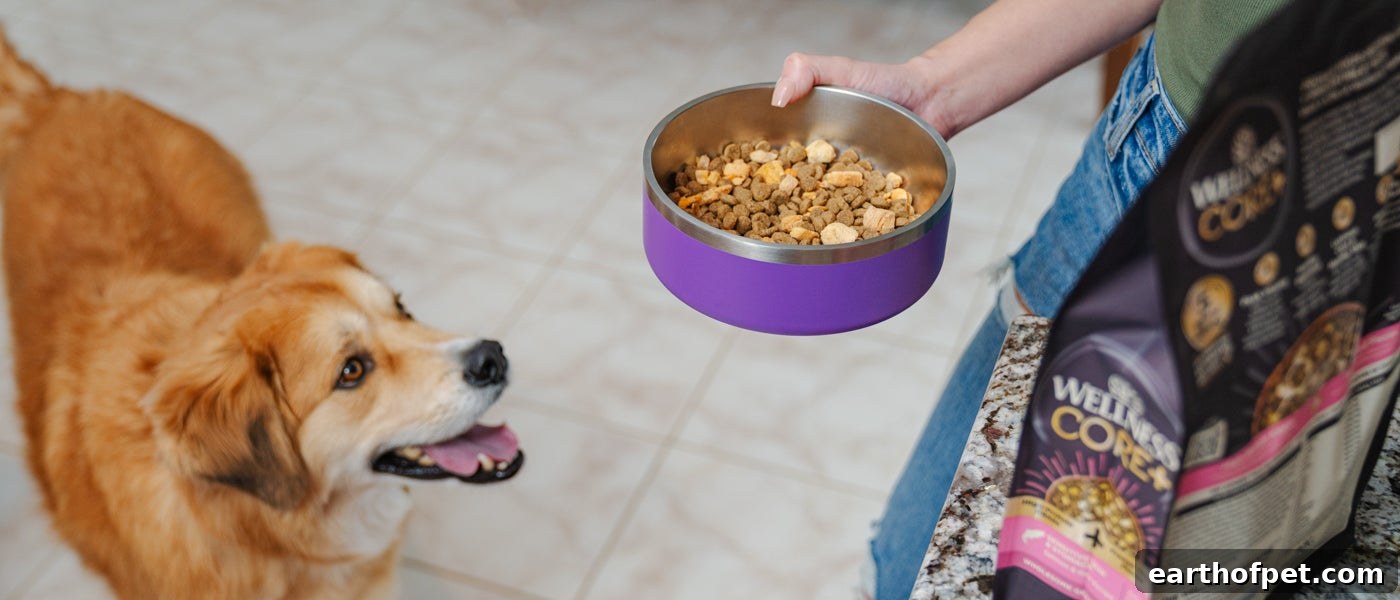
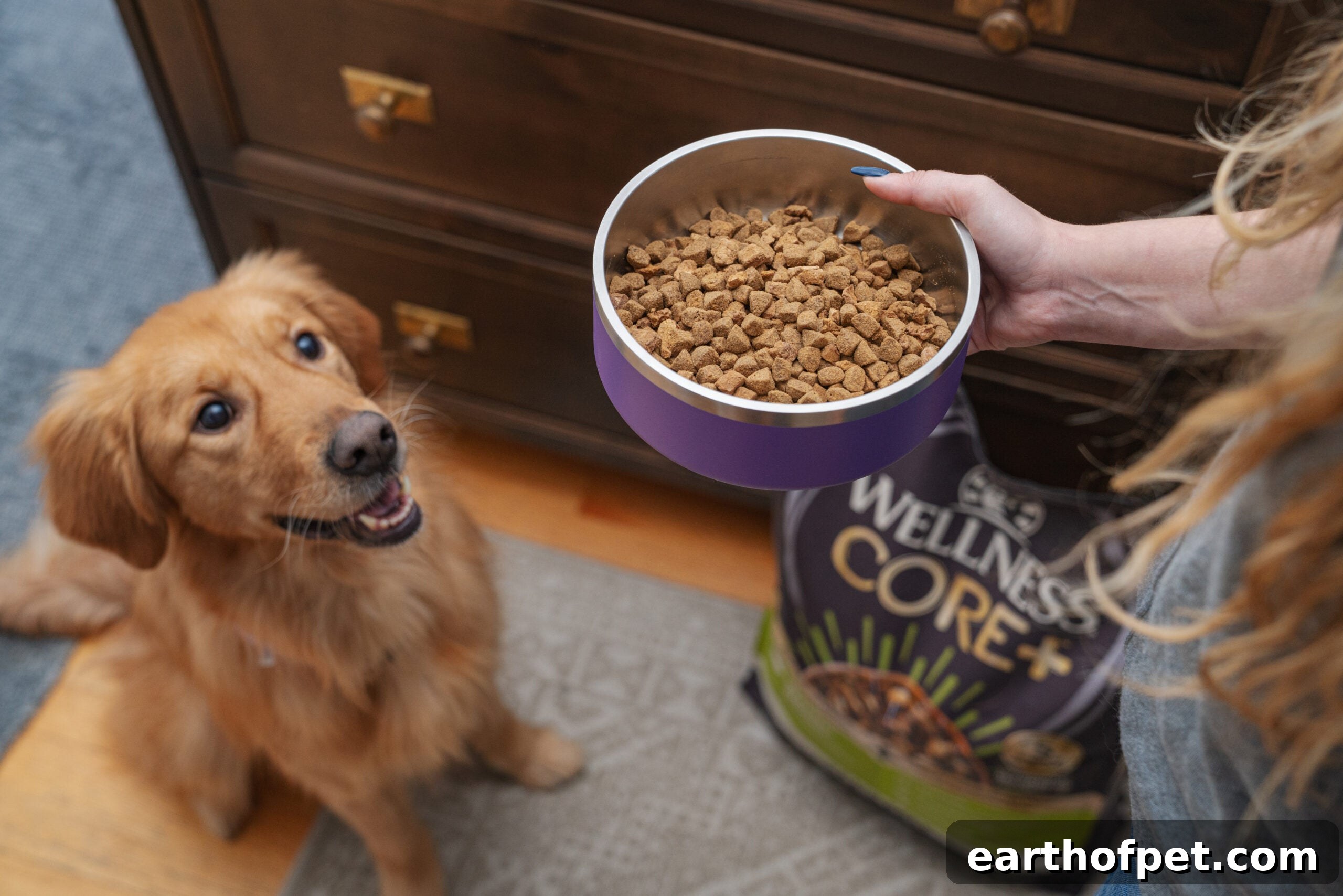
When selecting food for an overweight dog, look for a balanced approach: controlled calories, higher protein to preserve lean muscle, and added joint-support nutrients. Some reduced-fat recipes incorporate guaranteed levels of glucosamine and chondroitin directly in every kibble so joint support is delivered consistently at mealtimes rather than relying solely on separate supplements.
For small breeds such as Chihuahuas, Dachshunds, and Shih Tzus, the “1-pound rule” is especially clear: a single pound represents a substantial percentage of body weight and can have a dramatic effect on joint stress. Small-breed weight management should prioritize lean mass preservation and joint support tailored to their unique needs.
Why Glucosamine and Chondroitin Matter
Glucosamine and chondroitin are among the most commonly recommended nutrients for supporting cartilage and joint structure. Glucosamine contributes to maintaining cartilage health and cushioning, while chondroitin supports cartilage structure and joint resilience. Including these nutrients as part of daily nutrition helps deliver consistent support alongside calorie and protein management.
Food and Supplements: Why Daily Nutrition Matters
Many owners turn to supplements after mobility problems appear, but daily nutrition provides a proactive and consistent way to support joint health. Dog food formulated with joint-support ingredients supplies those nutrients reliably at every meal as part of a complete and balanced diet. For many overweight dogs, this daily approach is an important component of a broader weight-management and mobility plan.
Joint Health Starts Earlier Than You Think
Joint-conscious nutrition isn’t only for seniors. Large-breed puppies, active or working dogs, and dogs with genetic predispositions to orthopedic issues benefit from weight management and joint support throughout adulthood. For growing large-breed puppies, choosing an appropriate growth diet helps promote healthy development during sensitive growth phases.
Populations that may need early attention include:
- Large breeds
- Sporting and working breeds
- Dogs recovering from orthopedic injuries
- Dogs with a family history of joint problems
Senior Dogs Need a Different Approach
As dogs age, maintaining lean body condition and joint function becomes more important. Diets aimed at senior dogs should balance calorie needs with protein and joint-supporting nutrients so older pets can stay active and engaged. Pounds that were manageable at three years old may significantly impair mobility at ten, so prevention and maintenance remain key.
How to Tell If Your Dog Is Overweight
Owners frequently underestimate their dog’s body condition. A simple at-home check can help determine if weight management is needed:
- You should be able to feel the ribs with light pressure.
- Your dog should have a noticeable waist when viewed from above.
- The abdomen should tuck up when viewed from the side.
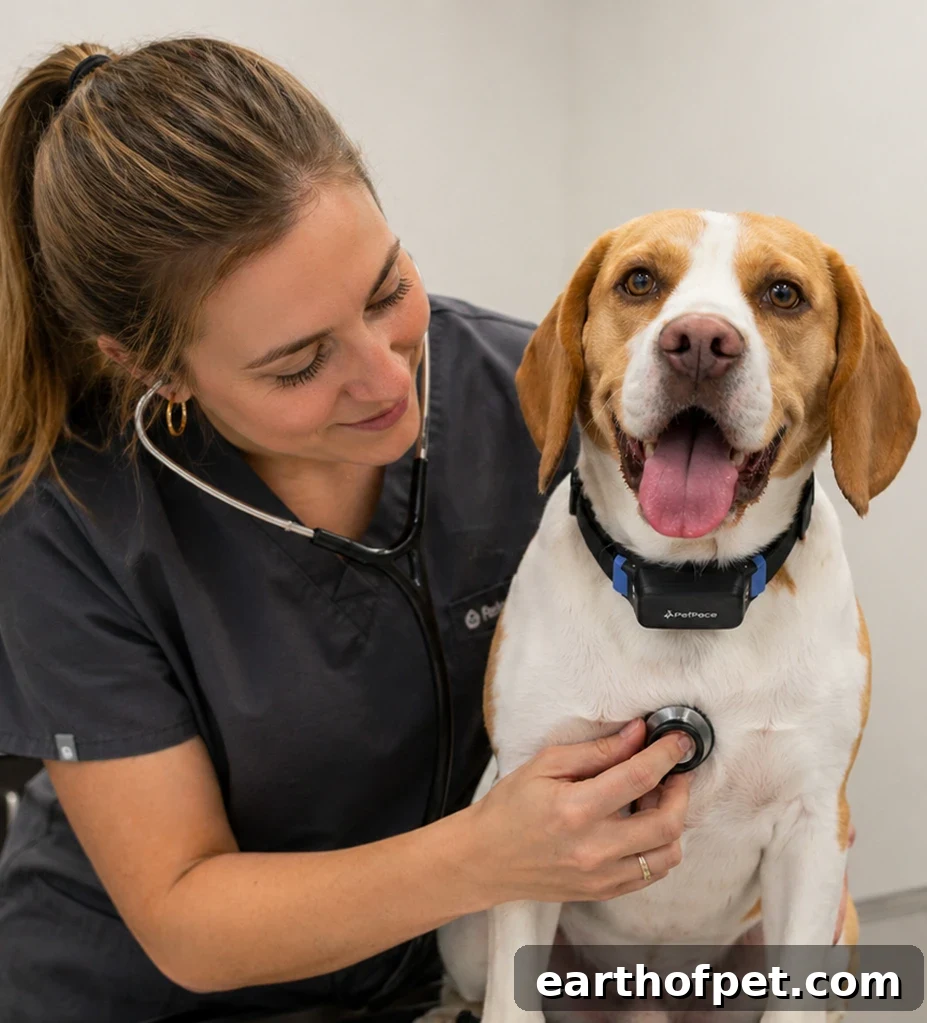
If you’re unsure, ask your veterinarian to assess your dog’s Body Condition Score. Charts and professional evaluation are more useful than scale weight alone because body composition and fat distribution matter for joint health.
The Bottom Line
Small changes can have a big impact on your dog’s mobility and comfort. A single pound may seem insignificant, but excess weight steadily increases stress on hips, knees, ligaments, and cartilage. Keeping your dog at an ideal body condition is one of the most effective ways to protect joints and support lifelong mobility.
Choose nutrition that combines sensible calorie control, adequate protein to preserve muscle, and joint-supporting ingredients like glucosamine and chondroitin, and work with your veterinarian on a safe weight-loss plan. Because every pound matters—and every step should feel like a good one.