Kittens are delightful and fragile newcomers in any home. At birth they depend entirely on their mother for warmth, care, and nutrition. One crucial benefit of their mother’s milk is the transfer of protective antibodies that help shield kittens during their first weeks of life. As those maternally supplied antibodies decline, kittens must develop their own immunity. Vaccination plays a key role in that transition. Understanding kitten vaccines, the recommended schedule, and basic health care helps ensure your kitten grows into a healthy adult cat.
When Do Kittens Need Vaccines?
Vaccinating kittens requires timing and planning because maternal antibodies — called passive immunity — fade at different rates in different kittens. Vaccines work best when given after maternal antibodies have waned enough to allow the kitten’s immune system to respond, but before the kitten is exposed to infectious diseases. This critical period between loss of maternal protection and development of the kitten’s own immune response is often called the “immunity window.”
During this window, it’s important to limit a kitten’s exposure to potential infections, which is why veterinarians typically advise keeping kittens indoors until their vaccination series is complete. While staying inside cannot remove all risk, it substantially reduces contact with disease-carrying animals and contaminated environments.
What is the Kitten Vaccine Window?
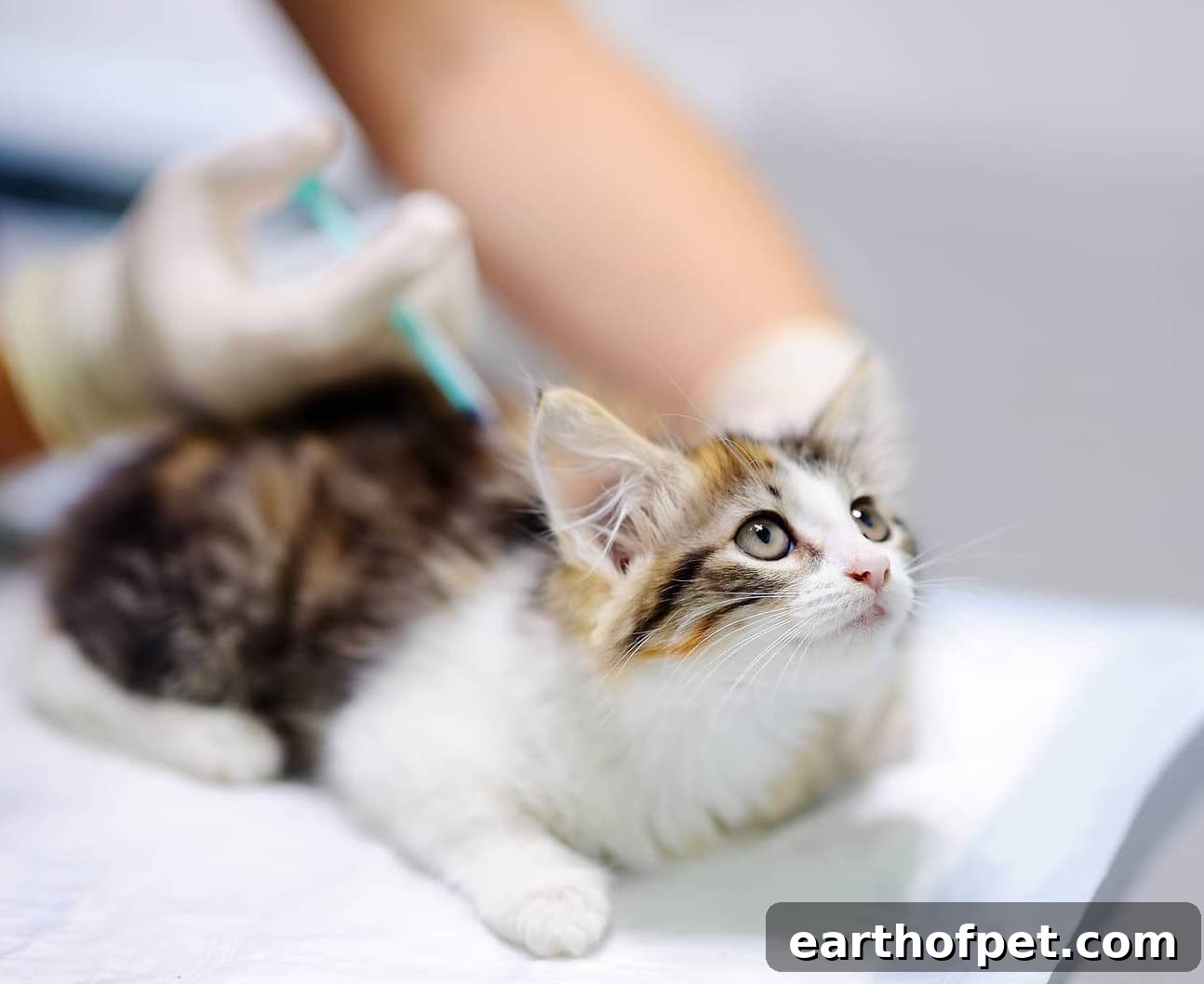
To close the immunity window effectively, veterinarians give kittens a series of vaccines spaced at specific intervals. Delivering vaccines in a series increases the chance that at least one dose will stimulate the kitten’s active immunity at the right time. The common vaccination schedule many veterinarians follow is:
- 6–8 weeks
- 9–11 weeks
- 12–14 weeks
- 15–17 weeks
At each visit your veterinarian will assess your kitten and administer core and, when appropriate, non-core vaccines. The exact timing and combination will depend on the kitten’s health, exposure risk, and regional disease prevalence.
What are Core and Non-Core Kitten Vaccines?
Core vaccines are recommended for all kittens because they protect against contagious and potentially severe diseases. Non-core vaccines are given based on individual risk factors such as lifestyle, geographic location, and likelihood of exposure.
Typical core vaccine timeline and targets include:
- 6–8 weeks: FVRCP (feline viral rhinotracheitis, calicivirus, panleukopenia)
- Rhinotracheitis and calicivirus are common respiratory infections in cats.
- Panleukopenia (feline distemper) is highly contagious and can be life‑threatening, affecting the intestines and bone marrow.
- 9–11 weeks: FVRCP booster; FeLV (feline leukemia) may be introduced depending on risk
- FeLV is a serious viral disease that can cause immune suppression and cancer; vaccination is recommended for kittens at risk, especially those with outdoor access or exposure to other cats.
- 12–15 weeks: FVRCP booster and FeLV as indicated
- 16–20 weeks: Final FVRCP booster; Rabies vaccination (timing may vary by local law and veterinary guidance)
Non-core vaccines that may be considered based on specific risks include:
- FIV (feline immunodeficiency virus)
- FIP (feline infectious peritonitis)
- Chlamydophila felis
- Giardia
Some kittens may also receive deworming treatments and FeLV/FIV testing beginning at their first checkup. Heartworm and flea prevention is commonly started during the second visit for kittens that will spend time outdoors. At later visits, your veterinarian may perform fecal exams and repeat tests as needed based on the kitten’s history and environment.
Because certain tests can affect vaccine interpretation (for example, FIV testing before vaccination), it’s important to follow your veterinarian’s recommendations for screening and timing.
Always discuss each vaccine’s purpose, expected benefits, and any potential risks with your veterinarian so you can make informed decisions specific to your kitten’s needs.
How to Keep Your Kitten Healthy
Vaccination is one critical part of kitten care, but overall health depends on several factors. Kittens grow rapidly and need nutrient-dense food formulated specifically for their developmental needs. Experts recommend feeding kittens three to four small meals per day using kitten-specific formulas that provide high-quality protein, essential amino acids, and minerals to support growth and energy demands.
Avoid generic or questionable-diet approaches and be cautious with homemade diets unless they are formulated and supervised by a veterinary nutritionist. Proper hydration is also essential; always provide fresh water and monitor intake.
Routine wellness care — including timely vaccinations, parasite prevention, regular veterinary checkups, and a balanced kitten diet — gives your young cat the best chance of maturing into a healthy, happy companion. With thoughtful preventive care and attention to nutrition, your kitten can enjoy years of playful, affectionate companionship.