The Economics of Early Detection
Smart pet parents increasingly understand that the priciest veterinary bills often come from conditions that could have been detected and treated much earlier. A minor infection that might cost $150 to treat in its early stages can escalate into a $3,000 hospitalization if it goes unnoticed. Catching health changes early not only reduces financial strain but also spares your pet unnecessary pain and complications. Adopting a proactive approach—combining attentive observation with timely professional care and appropriate technology—turns potential emergencies into manageable, treatable issues.
Early detection also supports better long-term outcomes. Chronic conditions identified sooner can often be managed with lifestyle changes, medications, or monitoring that slow progression and maintain quality of life. From both a welfare and a budget perspective, investing time and resources in catching problems early pays off.
Creating Your Pet’s Health Baseline
Establishing Normal Patterns
Early detection begins with knowing what “normal” looks like for your individual pet. Normal patterns include daily energy levels, typical meal and water intake, sleep routines, vocalizations, grooming habits, and social interactions with family members or other animals. Because each pet has their own baseline, recognizing deviations is easier when you understand those everyday rhythms.
Consider aspects like how active your pet usually is during different parts of the day, whether they prefer short bursts of play or longer naps, and how they respond to visitors or changes in the household. These observations form the context veterinarians need to spot subtle but important shifts in health.
Daily Observation Techniques
Simple daily habits can reveal early warning signs. Watch for changes in appetite, thirst, elimination, breathing, mobility, coat condition, and behavior. Even five minutes of mindful observation while feeding, brushing, or playing can highlight differences that might otherwise be missed.
Practical tips include checking gums for color, noting any coughing or labored breathing, and observing how your pet rises and moves after resting. Small, consistent checks make it easier to compare today’s behavior with yesterday’s and identify trends before they become emergencies.
Documentation Methods
Keeping a record of observations doesn’t need to be complicated. A simple notebook, a notes app on your phone, or photos and short videos can document appetite, activity, weight changes, and unusual behaviors. Timestamped photos and videos are particularly useful for showing a veterinarian what you’ve noticed.
Regular entries—daily or weekly—help reveal patterns that aren’t obvious from day-to-day. Over time, these notes create a clear timeline you can share with your veterinarian, which supports faster, more accurate diagnoses and targeted care plans.
Technology as Your Early Warning System
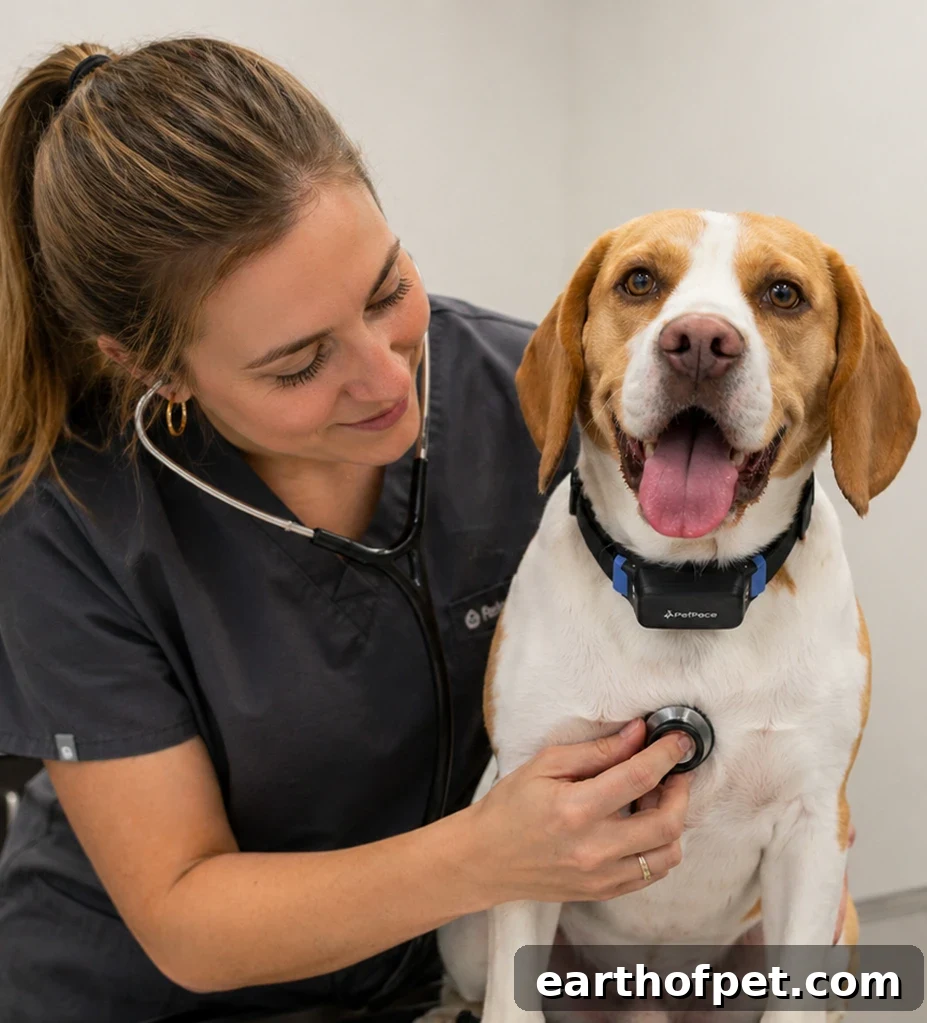
Modern pet health monitoring tools, such as wearable monitors and smart collars, can detect subtle changes in vital signs, activity, and sleep that may be imperceptible to human observers. Devices like PetPace and similar systems continuously track metrics such as heart rate, respiratory rate, body temperature, and movement, producing objective data about your pet’s health status.
Digital monitoring builds a detailed picture of wellbeing and can alert you to concerning trends days or even weeks before visible symptoms appear. These alerts complement your daily observations, allowing you to act quickly and consult your veterinarian at the earliest sign of abnormal patterns. For many pet owners, this real-time insight means catching illnesses in more treatable stages and avoiding costly emergency interventions.

Building Partnerships with Your Veterinarian
Informed Veterinary Visits
When you bring documented information about your pet’s baseline and recent changes to the veterinarian, it enhances the accuracy of their assessment. Instead of relying solely on a brief in-clinic exam, your vet can review trend data, notes, and media that outline what’s normal for your pet and where the concern lies. This context often leads to faster diagnoses and more targeted testing.
Preventive Care Planning
Continuous health data allows veterinarians to design personalized preventive care plans tailored to your pet’s specific needs and risk factors. Preventive planning may include customized schedules for vaccinations, parasite prevention, dental care, nutritional recommendations, weight management, and screenings appropriate for your pet’s age and breed. These plans can reduce the likelihood of severe illness and support long-term wellness.
Cost-Effective Treatment Strategies
Early detection typically enables simpler and less expensive treatments. For example, addressing dental disease in its early stages may involve a routine cleaning and home care rather than more invasive procedures later on. Early signs of arthritis can be managed with weight adjustments, physical therapy, and medications before surgical options become necessary. Similarly, catching early-stage organ conditions can lead to dietary changes and monitoring instead of ongoing intensive therapies.
By working with your vet and sharing clear records or monitoring data, you increase the chance of choosing interventions that are effective, minimally invasive, and more economical over time.
The Proactive Pet Parent Advantage
Pet parents who combine careful daily observation with technology-driven monitoring and a strong veterinary partnership consistently report fewer emergency visits, lower overall veterinary costs, and better quality of life for their animals. Investing effort into early detection—through observation, documentation, and the use of monitoring tools—transforms pet healthcare from reactive crisis management to preventive wellness.
This proactive approach delivers tangible benefits: reduced medical expenses, timely interventions that preserve health, and the peace of mind that comes from knowing your pet is being watched closely. Ultimately, early detection helps pets live healthier, more comfortable lives while making pet care more predictable and manageable for families.