Epilepsy in dogs can feel unpredictable. One day your pet seems perfectly healthy, and the next a seizure appears with no warning. For many pet owners, effective epilepsy management is less about reacting to single events and more about understanding the pet’s overall health pattern over time.
Veterinarians increasingly emphasize continuous monitoring: not just treating seizures when they occur, but tracking the broader signs and trends that influence them. What happens between seizures—sleep, activity, heart rate, stress levels and other subtle changes—often matters as much as the seizure itself.
The hidden side of epilepsy
Seizures are the most visible part of the condition, but they aren’t the only thing happening. Dogs often experience subtle physiological shifts before, during and after seizures. These changes—variations in breathing, heart rate, activity, appetite and behaviour—may be too subtle for an owner to notice without deliberate observation or monitoring tools.
Those less obvious changes can:
- Affect how often seizures occur and when they’re likely to happen
- Change how well medications work over time
- Point to stress, illness or environmental triggers
- Give veterinarians better context for diagnosis and treatment
Without a broader health context, epilepsy care can become purely reactive. Tracking daily patterns helps make care proactive, giving vets the information they need to tailor treatment plans and adjust medication safely when required.
Why awareness improves quality of life
Managing epilepsy isn’t only about preventing seizures. It’s about helping dogs live comfortably and confidently between episodes. When owners pay attention to overall wellness—sleep, activity, feeding, mood and behaviour—they can respond sooner and more effectively.
1. Spot trends earlier
Small shifts in sleep, activity or stress sometimes come before a seizure. Noticing these trends early allows for faster veterinary adjustments, whether that means scheduling an earlier check-up, reviewing medication timing, or identifying a new trigger.
2. Reduce anxiety for both dog and owner
Uncertainty is one of the hardest parts of living with epilepsy. Better awareness and consistent tracking provide reassurance. Knowing what is normal for your dog makes it easier to tell when something is changing and to act calmly and decisively.
3. Support better vet conversations
Veterinarians rely on accurate histories to make treatment decisions. The more reliable information you can provide about daily health patterns and the timing of events, the more tailored and effective the care can be.
4. Focus on prevention, not just reaction
Proactive care—such as keeping a consistent routine, reducing known stressors, or identifying environmental triggers—may help reduce the frequency or severity of episodes over time. Preventive strategies are an important complement to medication and emergency planning.
How epilepsy management is evolving
Historically, seizure management depended on owner observation and written notes. But many seizures happen when owners are away or asleep, resulting in incomplete records. That has driven a shift toward long-term wellness tracking and data-informed care.
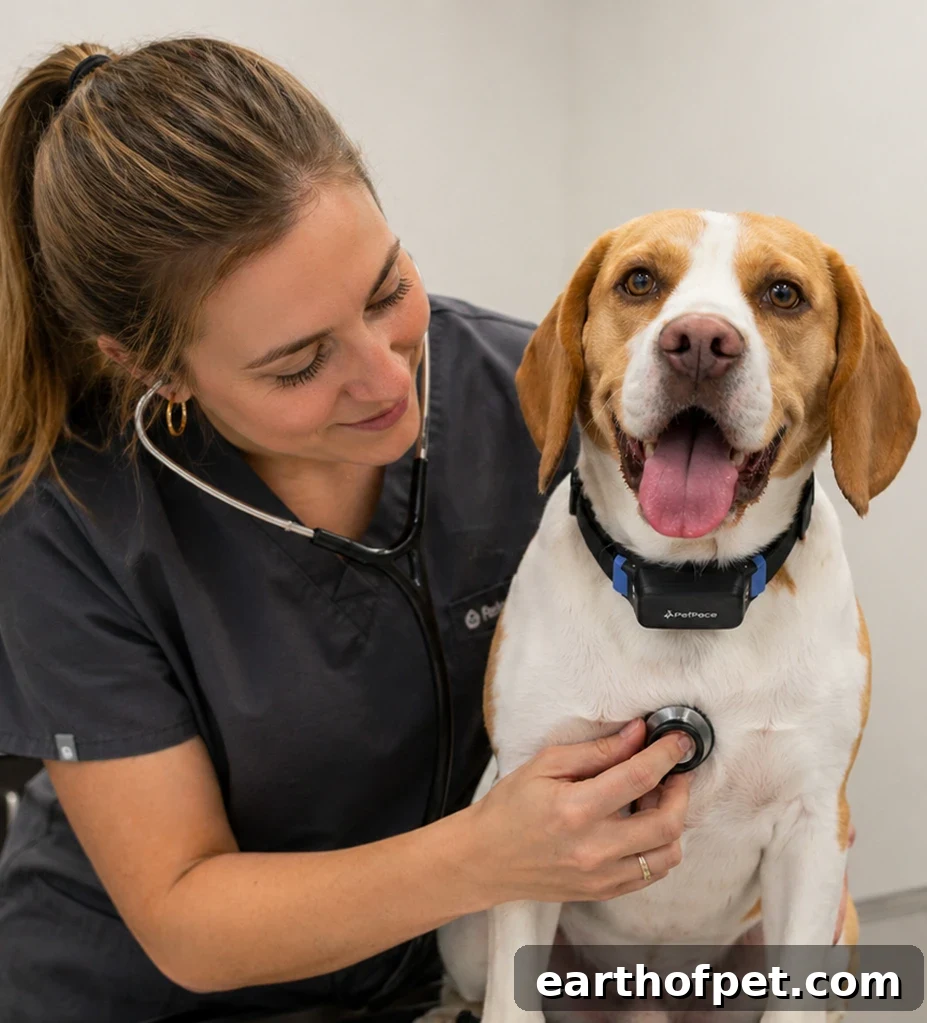
Modern approaches include keeping detailed seizure logs, using video recordings when possible, and employing wearable health monitors or activity trackers to detect changes in sleep, activity and vital signs. These tools aren’t required for every pet, but they can make a real difference when seizures are frequent or when the cause is unclear.
The goal of contemporary epilepsy care is whole-pet health: controlling seizures while supporting the dog’s overall wellbeing, behaviour and comfort.

Can pets without a diagnosis benefit from monitoring?
Yes. Awareness tools and monitoring habits help both diagnosed and undiagnosed pets. Regular tracking can:
- Reveal stress-related triggers and early warning signs
- Help document recovery patterns after any neurological episode
- Provide extra reassurance for senior dogs or breeds prone to seizures
Sometimes the greatest benefit is simply confirming that your pet’s behaviour and vitals are within their normal range.
A calm, prepared approach makes a difference
Living with epilepsy doesn’t have to mean constant fear. Many dogs with seizure disorders live long, happy lives with careful monitoring, consistent routines, and veterinary guidance. The important mindset shift is to view epilepsy management as an ongoing health journey rather than only an emergency response.
Practical steps that help include keeping a detailed seizure log (time, duration, behaviour before and after), recording video if possible, maintaining consistent medication schedules, minimizing known triggers, and preparing an emergency plan with your veterinarian. Open communication and shared data make it easier for your vet to fine-tune treatments and for you to feel confident in daily care.
By focusing on awareness, prevention and partnership with your veterinary team, you can improve outcomes and quality of life for a dog living with epilepsy. Thoughtful monitoring and steady care give both pets and owners greater peace of mind and better health over time.