First Time Dog Owner Guide
Becoming a first time dog owner is one of the most rewarding experiences, and it can also feel overwhelming at the start. You want your new companion to be healthy, happy, and well-behaved, but you may be unsure where to begin. This guide covers the essential, practical steps every new dog owner should know: feeding, dental care, veterinary care, training, boundaries, and treats. Follow these basics and you’ll build a strong, joyful relationship with your dog.
1. Your Dog Should Have a Feeding Schedule
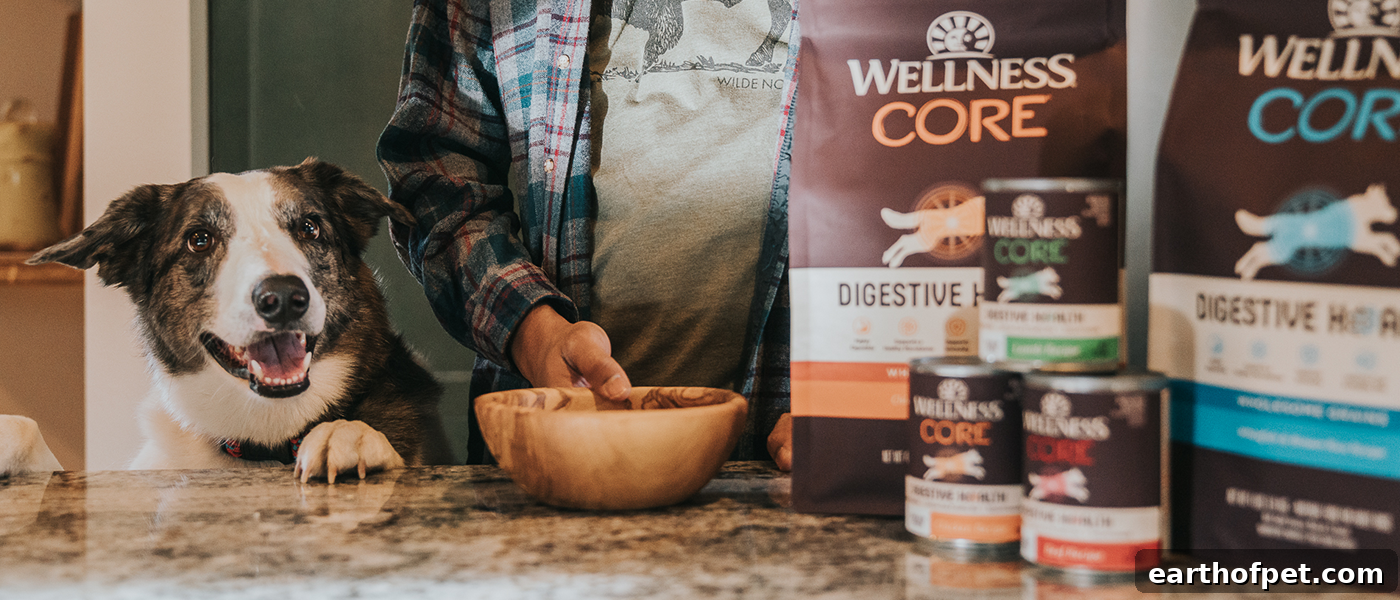
Establishing a consistent feeding schedule is important for digestion, energy levels, and long-term health. Rather than leaving food in the bowl all day, plan meals and portion sizes appropriate to your dog’s age, size, and activity level. Typically, adult medium to large dogs are fed once or twice a day; some small or toy breeds do better with several smaller meals throughout the day. Puppies require more frequent meals to support growth.
Choose a high-quality, nutrient-dense dog food that matches your dog’s life stage and health needs, and ask your veterinarian for specific recommendations. Avoid overfeeding and excessive treats, which can lead to obesity and related health problems. A regular feeding routine helps with housetraining and supports predictable bathroom schedules as well.
2. Brush Your Dog’s Teeth!
Oral care is an often-overlooked part of dog health. Plaque and tartar buildup can lead to gum disease, tooth loss, and systemic health issues. Get your dog used to gentle tooth brushing early, and use toothpaste formulated for dogs. Daily toothbrushing is ideal, but even a few times a week helps.
In addition to brushing, dental chews and specially formulated foods can reduce tartar and support oral hygiene—brands such as WHIMZEES are examples of products designed to help. Regular dental exams with your veterinarian will catch problems early and keep your dog’s mouth healthy.
Grooming also includes ear checks and cleanings, coat brushing, and nail trims. Establish a grooming routine so your dog accepts these tasks as a normal part of care.
3. Don’t Skip Necessary Veterinary Visits
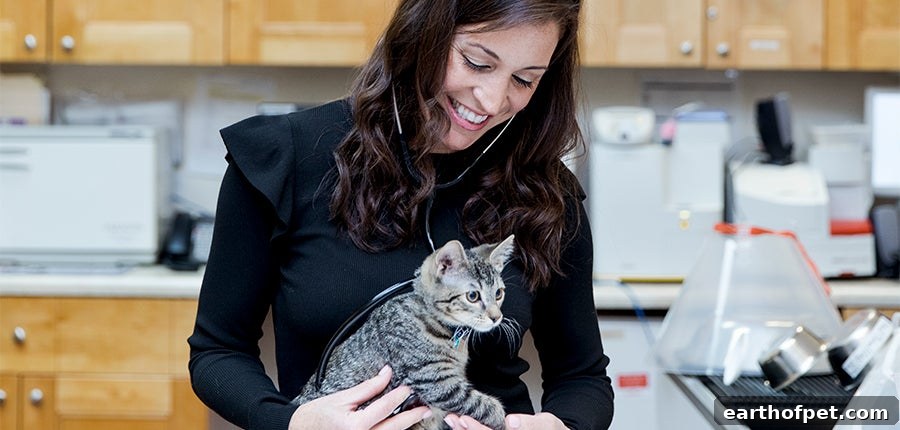
Regular veterinary care is essential for prevention and early detection of health issues. Vaccinations, parasite prevention (including flea, tick, and heartworm control), and routine wellness exams help protect your dog from common diseases. Your vet can also advise on spay/neuter timing, dental health, nutrition, and any breed-specific concerns.
Early and ongoing veterinary care reduces the risk of chronic conditions and ensures that any emerging issues are addressed promptly. Make sure your dog has up-to-date vaccinations and a clear plan for parasite prevention based on local risk factors and lifestyle.
4. Your Dog May Need Formal Training
Training is key to a harmonious life with your dog. Positive-reinforcement-based training helps dogs learn good manners—walking calmly on a leash, greeting guests politely, coming when called, and avoiding destructive or fearful reactions. Enrolling in group classes or working with a qualified trainer can address specific behaviors like excessive barking, jumping, or house-soiling.
Training can begin at any age; puppies often learn quickly, but adult dogs can also change behaviors with consistent, patient guidance. Short, frequent training sessions and rewarding good choices make learning fun and effective for both you and your dog.
5. Teach Your Dog Boundaries
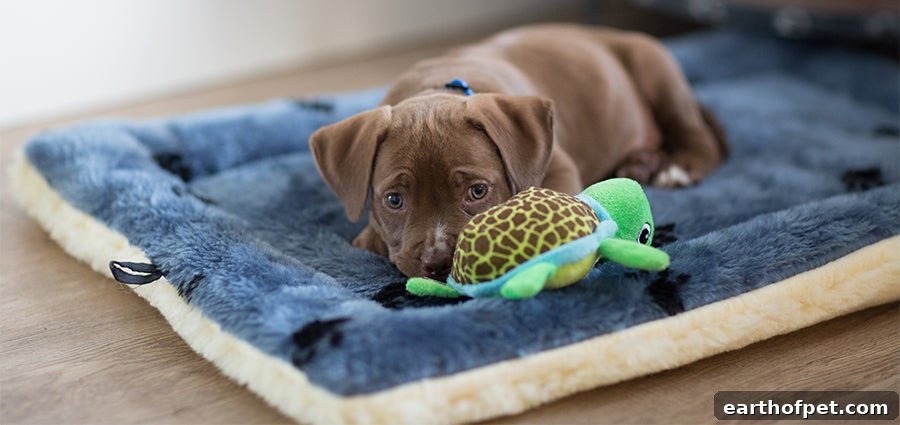
Dogs need clear, consistent boundaries in the home. Dog-proofing is similar to child-proofing: secure shoes, cords, trash, and items you don’t want chewed. Provide a comfortable, designated space for your dog—a bed or crate that becomes a safe, restful spot.
Set rules early and be consistent with them. If you don’t want the dog on the furniture, don’t allow it occasionally and stop it other times; mixed messages confuse dogs. Crate training, baby gates, and regular supervision help prevent unwanted behaviors while you teach alternatives.
6. Your Dog’s Treats & Table Scraps Need To Be Regulated
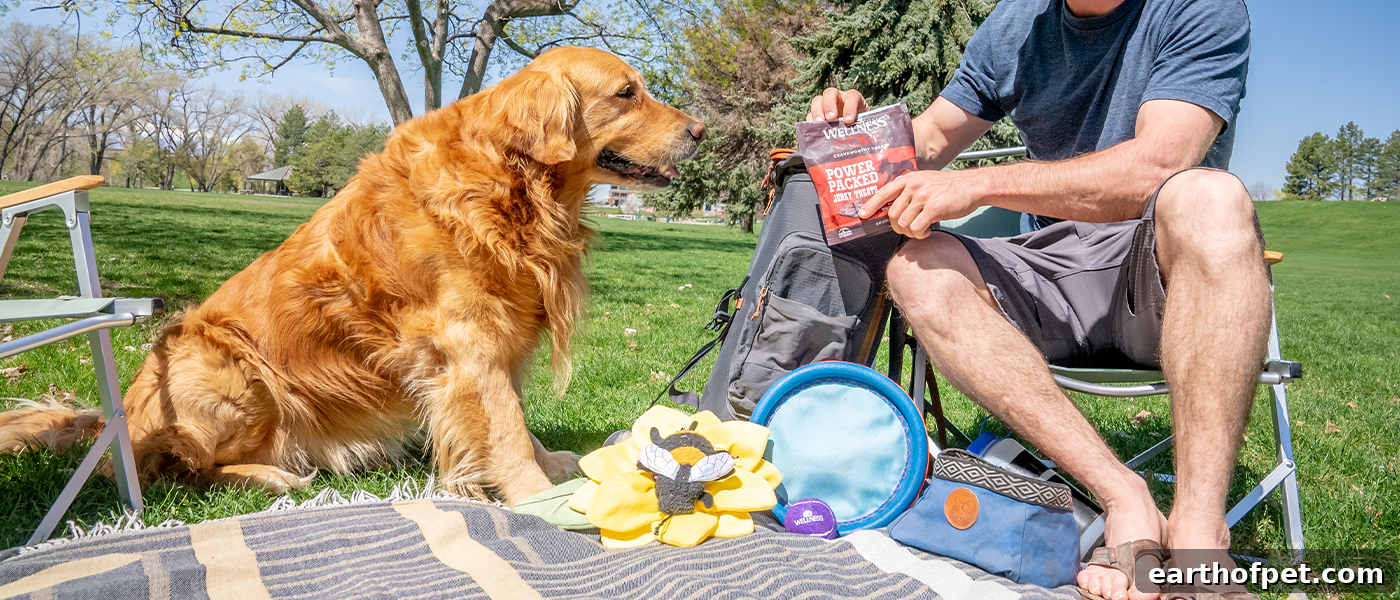
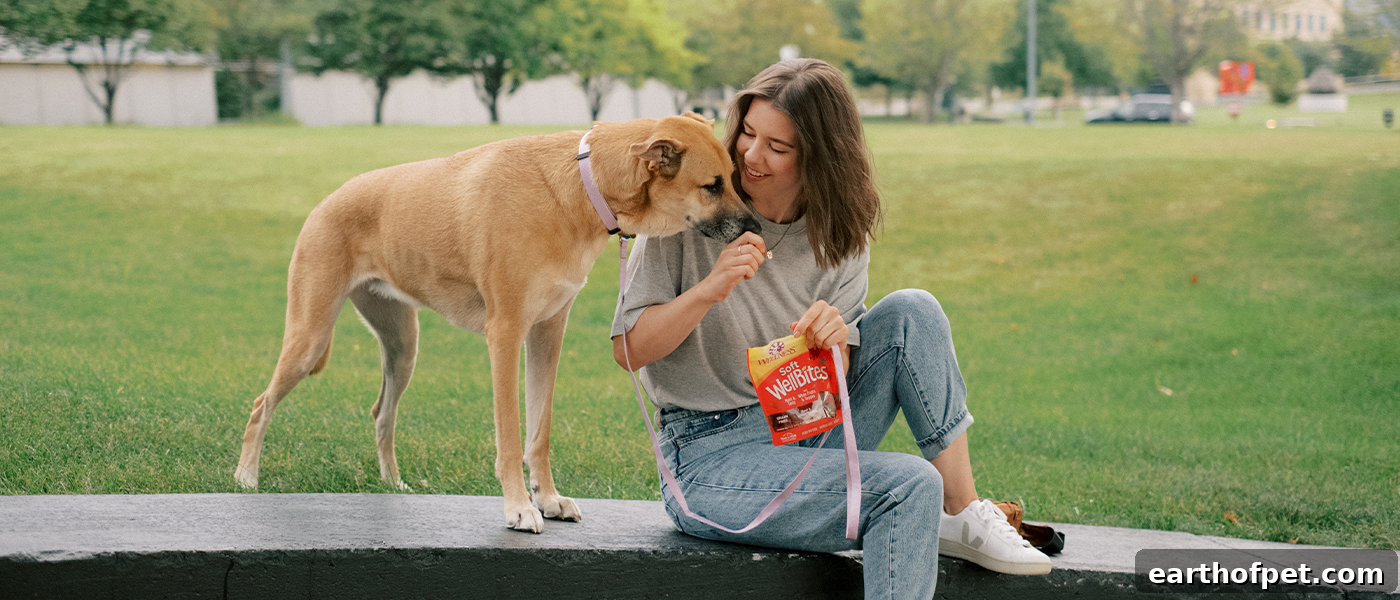
Treats are a useful training tool and a way to bond, but they must be given in moderation. Many human foods are unhealthy or dangerous for dogs—avoid chocolate, grapes, onions, xylitol-sweetened items, and high-fat scraps. Opt for healthy, dog-safe treats and incorporate them into your dog’s daily calorie allowance.
Instead of relying on food for affection, spend quality time playing, walking, and practicing tricks. Mental stimulation—interactive toys, puzzle feeders, and training—keeps a dog happy and reduces the desire to beg for human food.
First Time Dog Ownership Should Be FUN!
Becoming a dog owner brings enormous joy. The first weeks can involve learning and adjustment, but patience, consistent care, and a few good routines go a long way. Prioritize regular vet care, a balanced feeding plan, dental and grooming routines, training, and clear boundaries. These steps will help your dog thrive and make everyday life together easier and more rewarding.
When you do want to treat your dog, choose healthy options and prioritize quality time. A premium natural dog food and the right preventive care will support your dog’s energy and longevity. Above all, enjoy the companionship—dogs are loyal, playful, and loving members of the family, and the effort you invest will be returned a thousandfold.