Patient Condition and History
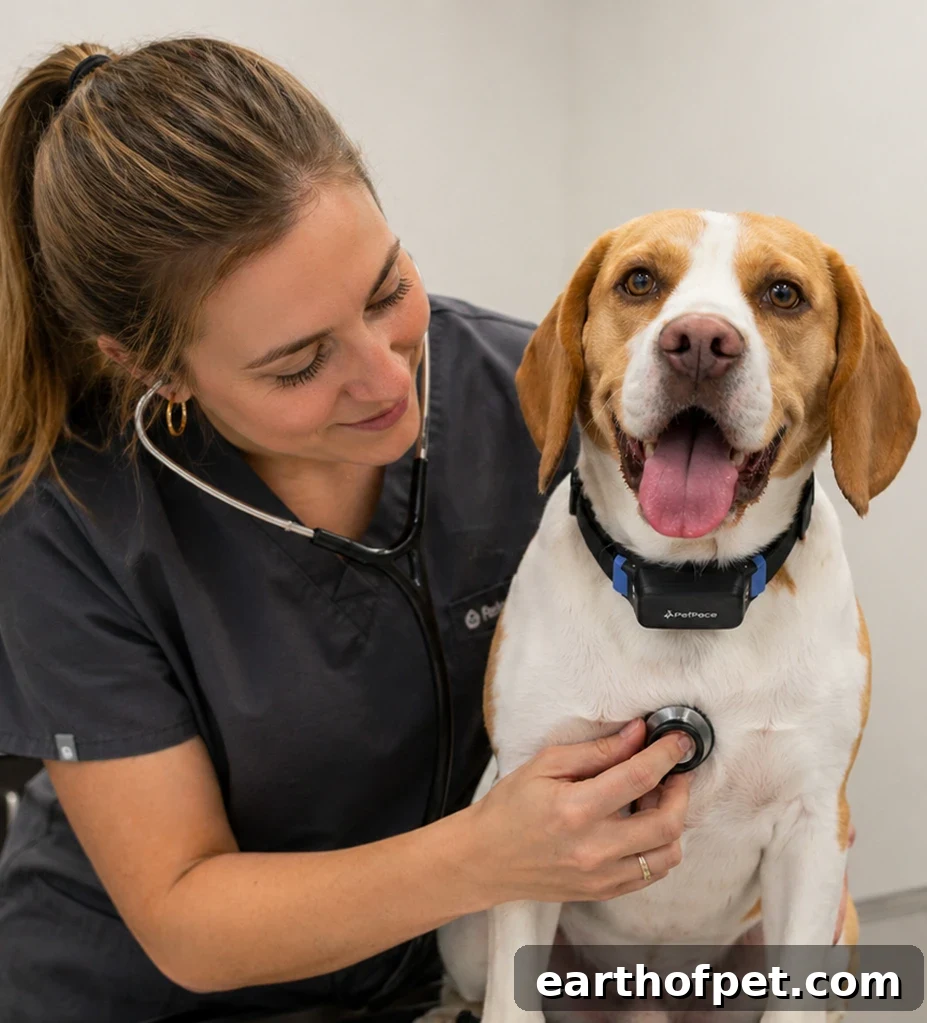
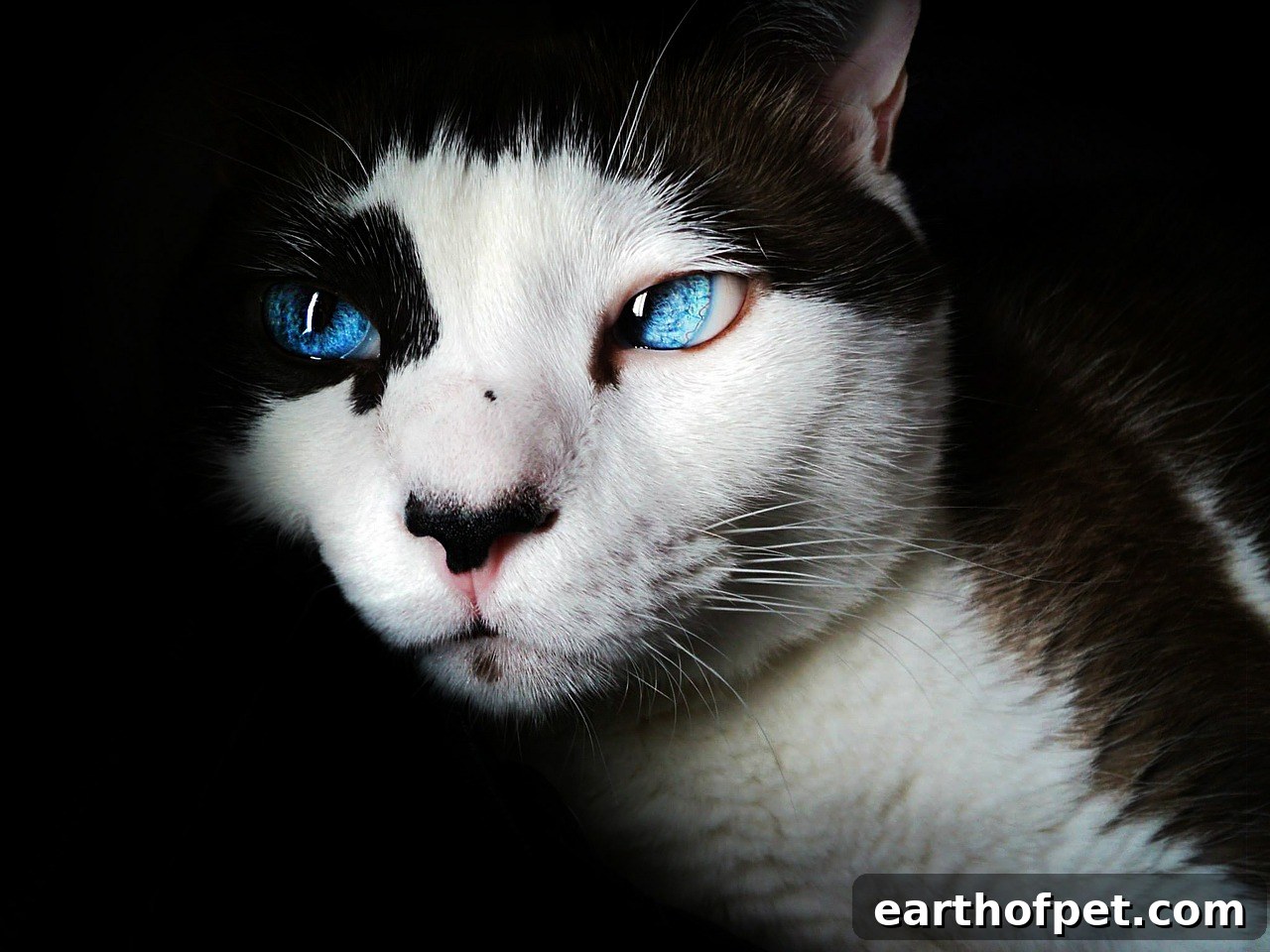
Mya is a 14-year-old spayed female domestic shorthair cat, weighing 13 lb, who lives exclusively indoors and had no previously known medical issues. Her owner, Carol Pipher, a veterinary technician at Southern Tier Veterinary Associates in Vestal, NY, placed a PetPace collar on Mya as part of routine remote monitoring to screen for changes in health and activity.
Monitoring Data and Medical Exam
Data from the PetPace collar flagged several concerning values that prompted further evaluation. Mya showed persistently elevated heart rate readings (average 182 bpm, maximum 231 bpm, minimum 130 bpm) and a low heart rate variability (VVTI 8.2). Concerned by those trends, Carol brought Mya to the hospital for a clinical exam and diagnostic testing.
On physical examination Mya appeared clinically normal, but bloodwork revealed a markedly elevated thyroid hormone level (T4 = 12.4 µg/dL; reference range 0.8–4.7 µg/dL) consistent with hyperthyroidism, and a slightly increased red blood cell count (RBC 11.6 x10^6/µL; reference range 7.12–11.4 x10^6/µL), a change often seen in hyperthyroid cats. No other abnormalities were identified on the initial workup.
Mya was started on medical therapy for hyperthyroidism. Over the following three months, treatment effectively reduced excess thyroid hormone levels. A 24-hour recording from the PetPace collar after treatment documented notable improvement: average pulse rates dropped by roughly 20% (average 141 bpm, maximum 208 bpm, minimum 103 bpm) and heart rate variability increased by approximately 13% (VVTI 9.3), reflecting a positive physiologic response to therapy.
Discussion
Hyperthyroidism is a common endocrine disorder in older cats caused by excessive production of thyroid hormones from the thyroid gland. Because thyroid hormones influence metabolism and affect multiple organ systems, the clinical signs can be wide ranging and sometimes subtle. Common manifestations include weight loss despite a normal or increased appetite, increased activity or vocalization, and changes in heart rate. Left untreated, prolonged hormone excess can lead to secondary problems such as cardiac changes, high blood pressure, and damage to other organs, making the disease more difficult and costly to manage.
This case illustrates how continuous, noninvasive monitoring can reveal early physiologic changes before obvious clinical signs develop. In Mya’s situation the PetPace collar detected abnormal cardiovascular parameters—elevated pulse rates and decreased heart rate variability—that raised concern and led to a timely veterinary evaluation. Because the disease was identified before overt complications had developed, medical treatment controlled the hyperthyroidism and Mya experienced a favorable outcome without further issues.
Many chronic conditions progress gradually and can be missed during routine home observation, even by attentive owners. Trend-based analytics and continuous monitoring can identify non-specific but meaningful changes in activity, heart rate, and variability that signal declining health. Identifying these trends early allows veterinarians and owners to pursue targeted diagnostics and start treatment sooner, improving the likelihood of a good clinical response and reducing the risk of long-term damage.
Conclusions
The PetPace collar can serve as an early-warning tool by detecting subtle, sustained changes in a pet’s physiology and behavior. In this case, the collar’s alerts prompted a diagnostic workup that led to a clear diagnosis of hyperthyroidism and effective management before complications developed. Early detection and intervention are especially valuable for chronic diseases that often present late in their course.
Dr. Cari Bowlin, Medical Director at Southern Tier Veterinary Associates, noted that the collar’s data prompted a thorough examination of a seemingly healthy cat, enabling a timely diagnosis of a significant disease. Dr. Asaf Dagan, DVM, Diplomate ABVP (Canine and Feline practice) and PetPace’s Chief Veterinarian, added that routine screening with a smart collar can be incorporated into periodic wellness checks and may be invaluable for early detection of chronic conditions, ultimately improving pet health and clinical outcomes.