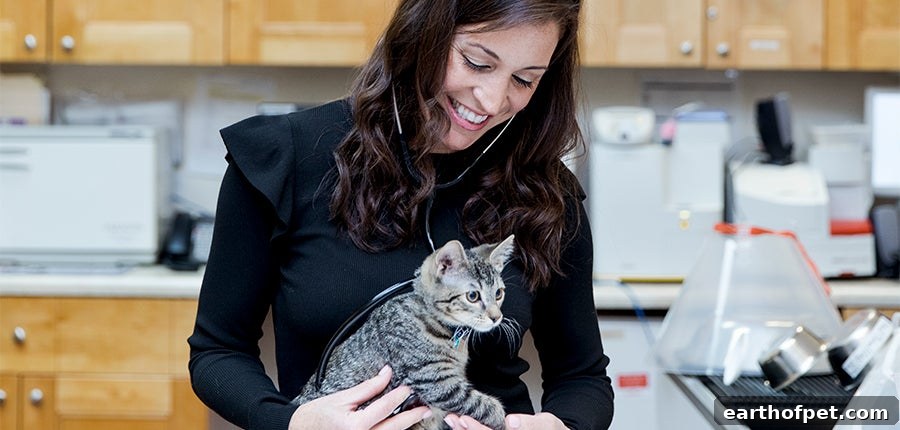
Smart IoT pet health monitoring collar enables early detection and effective treatment of hyperthyroidism in an asymptomatic cat
Burlington, MA — April 21, 2016
IoT collar detects hidden illness in a seemingly healthy senior cat
PetPace, the developer of a smart IoT collar for continuous remote monitoring and analysis of pet vital signs and activity, has published a medical case study describing early detection of feline hyperthyroidism in an otherwise asymptomatic cat. The case report details how objective, around-the-clock data from the PetPace collar triggered veterinary investigation, diagnosis, and successful treatment.
Mya, a 14-year-old indoor-only domestic shorthair spayed female weighing 13 lb, had no known medical issues and appeared healthy to her owner. A routine screening using the PetPace collar, however, revealed abnormal vital-sign trends that prompted further evaluation. The collar recorded an elevated average heart rate of 182 bpm (range: 130–231 bpm) and a low heart rate variability score (VVTI of 8.2). These non-specific but consistent deviations from Mya’s baseline motivated her owner—a pet healthcare professional—to seek a full veterinary work-up.
Diagnosis confirmed by bloodwork
Comprehensive veterinary examination and blood testing confirmed hyperthyroidism. Mya’s total thyroxine (T4) concentration was markedly elevated at 12.4 µg/dL (reference range 0.8–4.7 µg/dL), and her red blood cell count (RBC) was slightly elevated at 11.6 (reference range 7.12–11.4). No other clinical signs were evident at the time of diagnosis: Mya showed no noticeable weight loss, changes in appetite, or behavioral alterations commonly associated with advanced disease. Because hyperthyroidism can affect multiple organ systems and often progresses slowly, these early, data-driven clues were crucial to catch the disease before more severe problems developed.
Treatment and measurable improvement
Following diagnosis, Mya began an appropriate course of oral medication to reduce excessive thyroid hormone production. Approximately three months later, a 24-hour follow-up recording from the PetPace collar demonstrated significant improvements across the monitored parameters, reflecting the clinical response to therapy.
Value of continuous, non-invasive monitoring
This case exemplifies how continuous remote monitoring using wearable IoT technology can provide early, actionable indicators of chronic disease in pets. PetPace’s analytics detect subtle, non-specific trend changes—such as persistent tachycardia and reduced heart rate variability—that often precede observable symptoms. Those insights enable owners and veterinarians to pursue timely diagnostic testing and treatment, potentially avoiding organ damage or other serious complications.
Dr. Cari Bowlin, Medical Director at Southern Tier Veterinary Associates, commented that the collar’s data prompted a thorough examination of a cat that otherwise appeared healthy and that the early diagnosis immediately demonstrated the technology’s clinical value. Dr. Asaf Dagan, DVM, Diplomate ABVP (Canine and Feline Practice) and PetPace Chief Veterinarian, noted that routine remote screening using collars like PetPace can be integrated into periodic wellness checks—such as annual evaluations—to improve early detection of chronic conditions and positively affect long-term pet health outcomes.
Implications for pet owners and veterinarians
Feline hyperthyroidism is a common endocrine disorder in older cats caused by excess production of thyroid hormones. Because thyroid hormones influence metabolism and multiple organ systems, clinical signs can be varied and often appear late. Continuous monitoring solutions help bridge the gap between routine home observation and intermittent veterinary exams by providing objective, timestamped biometric data that can reveal early deviations from an individual pet’s norm.
In Mya’s case, the PetPace smart collar provided the early warning needed to diagnose and treat hyperthyroidism before overt clinical decline, leading to a favorable outcome. The case study underscores the potential of IoT-enabled pet health monitoring to support preventive care, prompt veterinary intervention, and better long-term management of chronic diseases in companion animals.
For more information, the full case study is available from PetPace.