What Is Fish Oil?
Fish oil for dogs is a concentrated source of healthy fats, primarily valued for its omega-3 fatty acids. Extracted from the tissues of oily fish such as salmon, mackerel, herring, anchovy and tuna, fish oil delivers two long-chain omega-3s—eicosapentaenoic acid (EPA) and docosahexaenoic acid (DHA)—that support multiple aspects of canine health. Because of these nutrients, fish oil is often described as a functional ingredient that complements a balanced dog diet and can be beneficial when included appropriately.
Fish Oil for Dogs: The Role of Fats in Our Pet’s Nutrition
Fats—or lipids—are essential components of a healthy dog diet. Beyond providing a dense source of energy, fats play structural and functional roles throughout the body. Key functions include:
- Energy storage and a concentrated energy source for active dogs
- Structural support for cell membranes and healthy cellular function
- Support for skin and coat condition, helping fur look shinier and skin remain supple
- Support for brain and nervous system development, especially in growing puppies
- Contribution to healthy inflammatory responses through a balance of fatty acids
Why Fish Oil for Dogs is Important: Omega Fatty Acids
Omega-3 fatty acids: Fish oil is a reliable source of EPA and DHA, omega-3 fatty acids that support normal skin and coat condition and contribute to cognitive and visual development in young animals. Including omega-3s in your dog’s diet can help balance the ratio of omega-6 to omega-3 fatty acids, which is important for maintaining normal inflammatory responses and overall skin health.
Omega-6 fatty acids: These are common in animal fats and many vegetable oils and include linoleic acid and arachidonic acid. Omega-6 fatty acids are necessary for maintaining healthy skin and coat and provide essential structural components. Most commercial pet foods contain ample omega-6 fatty acids, and because omega-6s can be converted into compounds that promote inflammatory processes, pairing them with sufficient omega-3s—such as fish oil or plant-derived options like flaxseed—helps maintain balance and normal inflammatory responses.
Benefits of Fish Oil for Dogs
When fish oil is used as part of a balanced diet, many pet owners and veterinarians observe improvements in areas commonly tied to fatty acid status, including:
- Improved coat shine and reduced dryness or flaking of the skin
- Support for normal joint comfort and mobility as part of overall care
- Support for cognitive development in puppies and ongoing brain health in adult dogs
- Support for healthy inflammatory responses and overall wellness
Does my pet’s food contain enough fish oil for dogs?
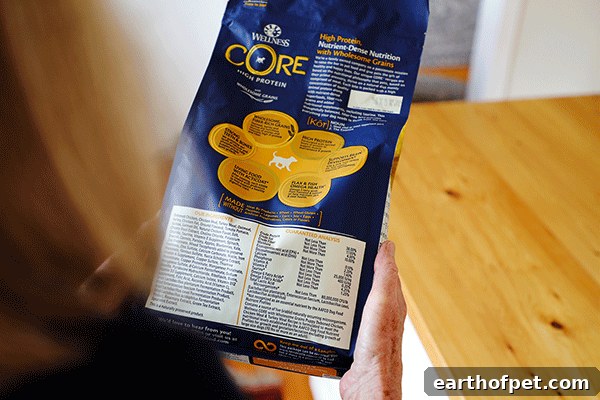
Unlike some vitamins and minerals, omega-3 and omega-6 fatty acids are not required to be listed as essential nutrients in some regulatory nutrient profiles, so not every pet food guarantees specific amounts. To check whether a commercial kibble or canned food provides omega fatty acids, examine the product packaging—look at the guaranteed analysis and the ingredient list for fish oils, salmon, menhaden, or marine algae. Some manufacturers will list both total omega-3 and omega-6 percentages and may specify DHA and EPA amounts. If you rely on pet food alone and want to ensure adequate omega-3 intake, consider discussing the product’s fatty acid profile with your veterinarian.
Choosing Quality Fish Oil
Selecting a high-quality fish oil product matters. Look for fish oil made from reputable sources with clear labeling about the type of fish and processing methods. Third-party testing, freshness indicators, and antioxidant protection (to limit oxidation of the oil) are desirable features. Some dog foods and supplements use marine microalgae oil as a source of DHA, particularly in formulas focused on sustainability or for pets with fish sensitivities.
Dosage and Safety Considerations
Before adding a fish oil supplement to your dog’s routine, consult your veterinarian—especially for dogs on medications, dogs with medical conditions, or breeding animals. Typical considerations include the appropriate amount for your dog’s size, potential interactions with medications that affect blood clotting, and monitoring for gastrointestinal upset or a fishy breath odor. Use products formulated for pets when possible, and follow storage instructions to preserve freshness.
Wellness Nutrition
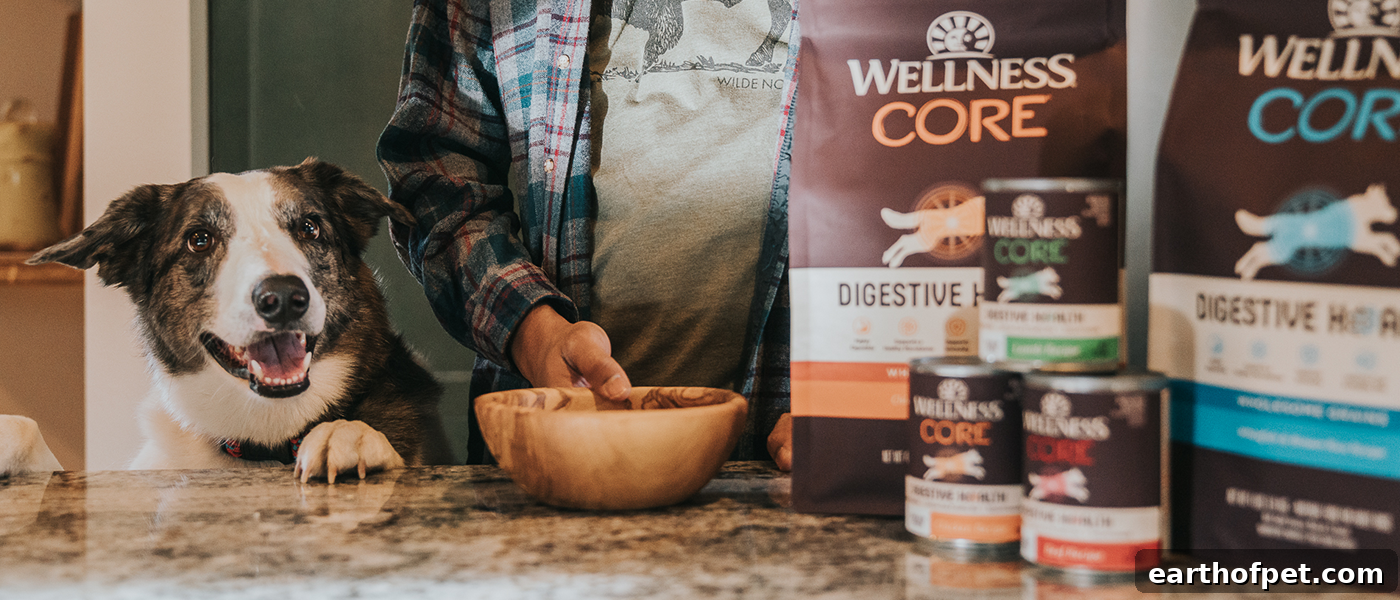
Wellness formulates its recipes with a team of pet nutrition experts, including animal nutritionists and veterinarians, to ensure balanced fat sources and reliable levels of beneficial fatty acids. Ingredients such as flaxseed, salmon oil, herring or menhaden oil, marine microalgae oil, and controlled animal fats are selected to provide a complementary mix of omega-3 and omega-6 fatty acids. Species-specific proteins (chicken, turkey, lamb, fish) contribute naturally occurring animal fats and proteins so each recipe supplies the energy and fatty acids dogs need for daily activity and long-term wellbeing.
Final Notes
Fish oil can be a valuable addition to canine nutrition when chosen and used thoughtfully. It supports healthy skin and coat, contributes to normal cognitive development, and helps balance fatty acid intake when paired with omega-6 sources in the diet. For personalized advice on whether fish oil is appropriate for your dog and how much to provide, always consult your veterinarian.